 EN
EN  English
 中文简体
中文简体 Español
 عربى
عربىNews
Home / News / Industry News / Electric Fly Swatter Voltage: Grid Specs, Safety Ratings & Buying Tips

Content
When you press the button on an electric fly swatter, the metal grid delivers a high-voltage pulse that stuns or kills mosquitoes, flies, and other flying insects. But the voltage number printed on the handle or the product page tells only part of the story. Buyers often ask whether a 2,000V racket is safer or more effective than a 1,500V model, or whether a higher grid voltage means a battery will drain faster. The short answer: the rated output voltage in an electric fly swatter usually falls between 1,200V and 3,000V, while the battery capacity and charging method determine how many zaps you can get per charge. Below is a practical explanation of the voltage specs, the safety design behind them, and the purchase factors that actually matter.
Most commercial electric fly swatters use a battery-powered high-voltage generator that steps up low DC voltage to a much higher grid voltage. In typical models, the output to the metal mesh is around 1,500V to 2,500V. Some budget units may produce roughly 1,000V, while more robust designs with lithium batteries or larger lead-acid batteries can reach 2,800V to 3,000V. The goal of these voltage levels is not to deliver a huge current but to create an electric arc that passes through the insect's body when it bridges two adjacent grid wires.
A higher grid voltage makes it easier for the arc to jump across the gap between the wires, which helps kill insects that are slightly larger or have a thicker body. In practice, the most common output range among your product range is 1,200V to 1,500V for home units and up to 2,500V or more for multifunctional models.
The voltage output alone is not a full measure of killing power. The energy released depends on the voltage and the capacitance of the generator circuit. To give you a practical reference, the table below shows common voltage ranges and the typical battery setups that support them.
| Product Type | Typical Grid Voltage | Common Battery | Charging Method |
|---|---|---|---|
| Battery-powered mini swatter | 1,000V – 1,500V | AAA batteries | Replaceable |
| Home electric swatter | 1,200V – 2,000V | Lead-acid 250mAh – 400mAh | Plug-in or solar |
| Multifunctional swatter | 1,500V – 2,500V | Lithium 500mAh – 1,200mAh | USB, base, or figure-eight wire |
These are not universal specifications, but they reflect the design choices used in most electric mosquito swatter manufacturing. A home model with a 250mAh lead-acid battery is typically rated for less frequent use, while a lithium model can support more charging cycles and often a higher grid voltage.
Higher grid voltage does improve the probability of killing a flying insect in a single strike. The arc burns through the body and interrupts the nervous system. At voltages below roughly 1,000V, some larger insects may survive or only be stunned. At 2,000V or above, the contact is usually fatal for mosquitoes, flies, and gnats.
Voltage is not the only factor, though. The distance between the grid wires matters just as much. If the gap is too wide, a small insect can pass through without touching both wires. If the gap is too narrow, the arc may short-circuit through dust, humidity, or the mesh itself. That is why manufacturers must tune the grid spacing together with the voltage output.
Another consideration is current. An electric fly swatter uses a high-voltage, low-current discharge. The internal circuit is designed to limit current to a safe level for humans, so the shock feels unpleasant but is not lethal. The current is limited by the output stage's impedance and the capacitor size. This is why the same voltage level can be safe to touch and simultaneously effective for insects.
A common myth is that higher voltage drains the battery faster. In reality, the battery capacity is the main driver of number of zaps per charge. A 1,500V generator built with a compact transformer may draw lower current than a 2,000V unit, but the difference is often small compared to the effect of battery capacity.
For example, a home electric swatter with 400mAh lead-acid battery will typically provide several hundred zaps over its life before recharging. A lithium battery with 1,200mAh can last longer and withstand more recharge cycles. If you plan to use the racket daily, choose a model with a 500mAh lithium battery or higher. For occasional use, a 250mAh lead-acid unit may be sufficient and more affordable.
Charging method also affects real-world usage. Plug-in models are convenient at home, solar-assisted models are useful when you are near windows or outdoors, and USB-rechargeable models are good when you travel and have access to a power bank. The voltage rating remains the same across these build options, so your buying decision should be based on the battery, charging method, and build quality as much as the voltage number.
An electric fly swatter produces voltage high enough to kill an insect but is designed to deliver only a very low current. The shock you receive if you accidentally touch the grid is limited by the internal high-voltage capacitor and the output resistance. In standard designs, the current is kept well below the threshold that can cause muscle contraction or heart disruption. This is why most electric fly swatters are considered safe for household use.
Manufacturers also add safety features such as a double-layer tactile protection guard on the grid. Some models have a separate button that must be pressed to energize the mesh; releasing the button immediately cuts power. Keep in mind that the ball effect differs from a continuous electricity supply. The racket stores energy in a capacitor, so the zap is short and powerful.
When buying, look for models that clearly state compliance with international safety standards and carry relevant certifications. This is especially important when purchasing from an overseas supplier for resale or OEM projects.
Choosing the right voltage depends on the target environment. For house interiors and small mosquitoes, a 1,200V to 1,500V grid is usually enough. For outdoor use, where you may encounter larger flying insects or higher humidity, a 2,000V or higher racket performs better creating a stronger arc that is less affected by moisture.
If you want a simple swatter with a plug or solar recharge, a home electric swatter with 400mAh lead-acid battery is a practical choice. It offers adequate voltage for typical household mosquitoes and a familiar recharge routine.
A multifunctional swatter with a lithium battery and USB charging gives you flexibility. You can charge it from a laptop or power bank, and the extra LED light can help in dark tents or campsites. Choose a product such as 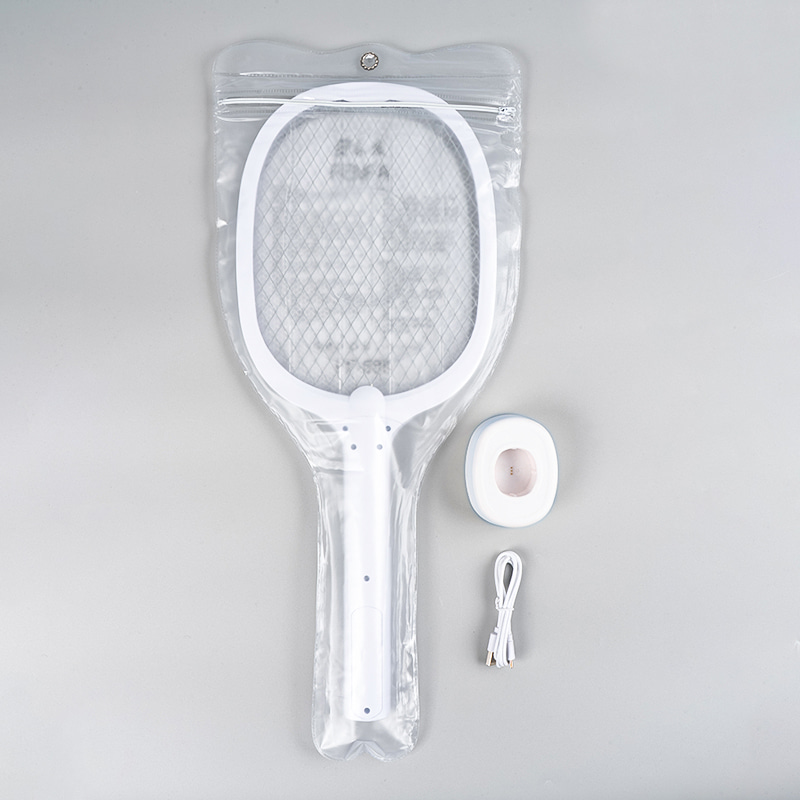 Five-Level LED Mosquito Swatter with 1200mAh Battery and USB ChargingThis swatter combines high-capacity battery with bright LED light for night use. Its 3000-3500V grid kills insects instantly, making it ideal for patios or camping.View Product → if you want a compact racket with clear LED light and 1,200mAh capacity.
The higher the voltage, the more likely you will eliminate a fly immediately. Look for a model with greater than 2,000V output and a robust battery. A 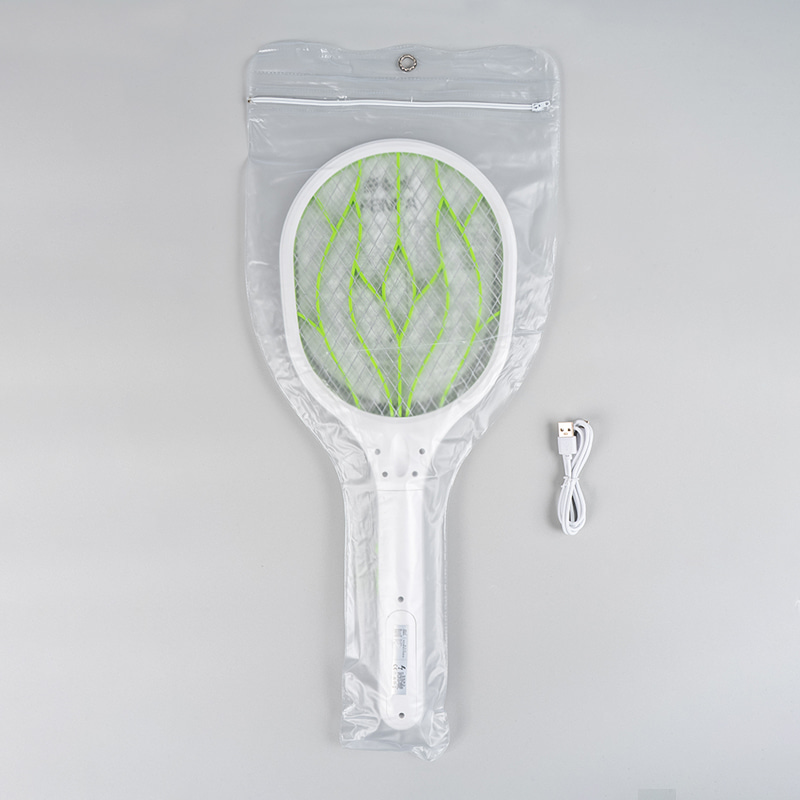 Multifunctional Electric Swatter with 1200mAh Battery and LED LightFeaturing a robust lithium battery and LED light for illumination, this swatter offers high-voltage shock for effective pest control, suitable for dark environments.View Product → combines high capacity and extra lighting for night use, making it useful in patios, gardens, or camping areas.
When you read a product description saying “high voltage” but not giving a number, ask for the rated output voltage. Reliable suppliers will list the voltage range or the exact output voltage in the datasheet. Also, check the battery type and capacity, since these are directly tied to the performance you get per charge.
Compare these three specification groups:
Finally, consider the physical design—foldable handles, detachable flashlights, or built-in display screens can make the swatter more convenient. These features do not change the voltage output but improve usability in real scenarios.
If you are sourcing electric fly swatters for distribution, the voltage specification matters for market compliance. Different markets may require clear product safety labels and test reports. Products with CE certification and ISO 9001-managed production are easier to sell and import. The site’s articles on mosquito swatter safety provide additional context for both consumers and procurement teams.
A reliable manufacturer will offer a wide set of electrical configurations you can select from. For example, the product matrix may include 250mAh lead-acid variants, 1,200mAh lithium models, and anything in between. You can match the output voltage and battery capacity to the price point you want to offer. In this chain, the manufacturer also helps you build the right product for your target climate, socket type, and usage pattern.
In summary, look beyond the advertised “high voltage” label. A rock-solid choice is a quality swatter with a grid voltage around 1,500V to 2,500V, a 400mAh to 1,200mAh battery, and a charging style that matches your routine. This combination gives effective insect control, reasonable safety, and the best practical value.
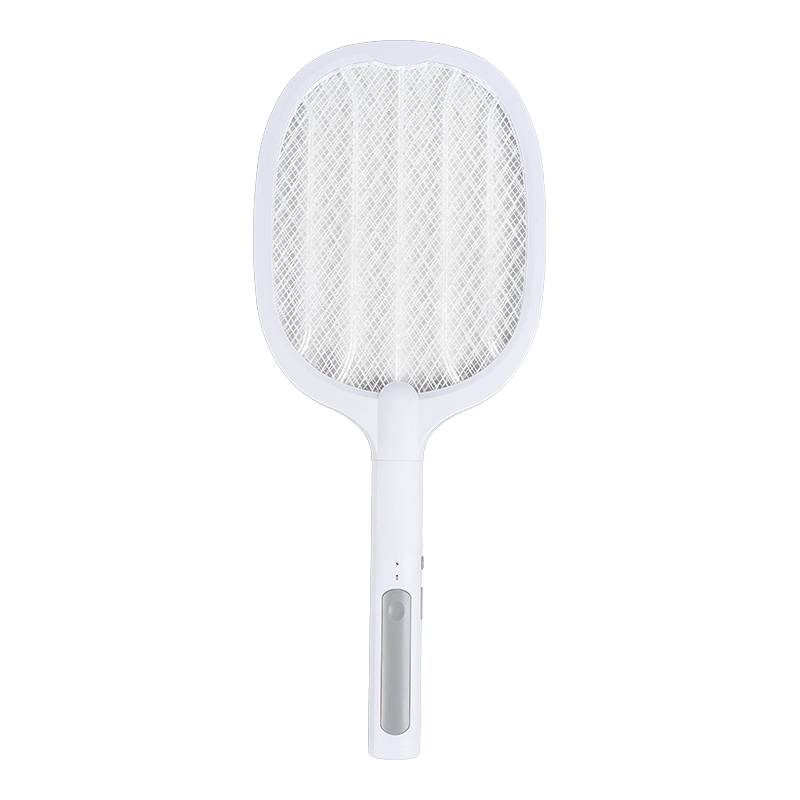 FF-878 1200mAh Embroidery Light Electric Mosquito Swatter with Base
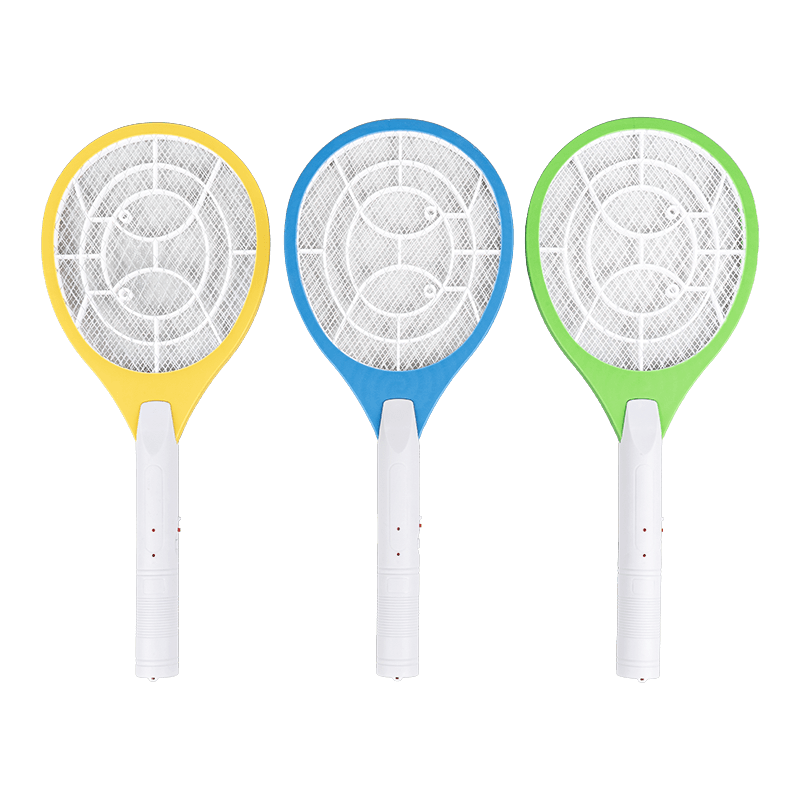 FF-107 3-Color Lead-Acid Battery 250mAh with Plug Electric Mosquito Swatter
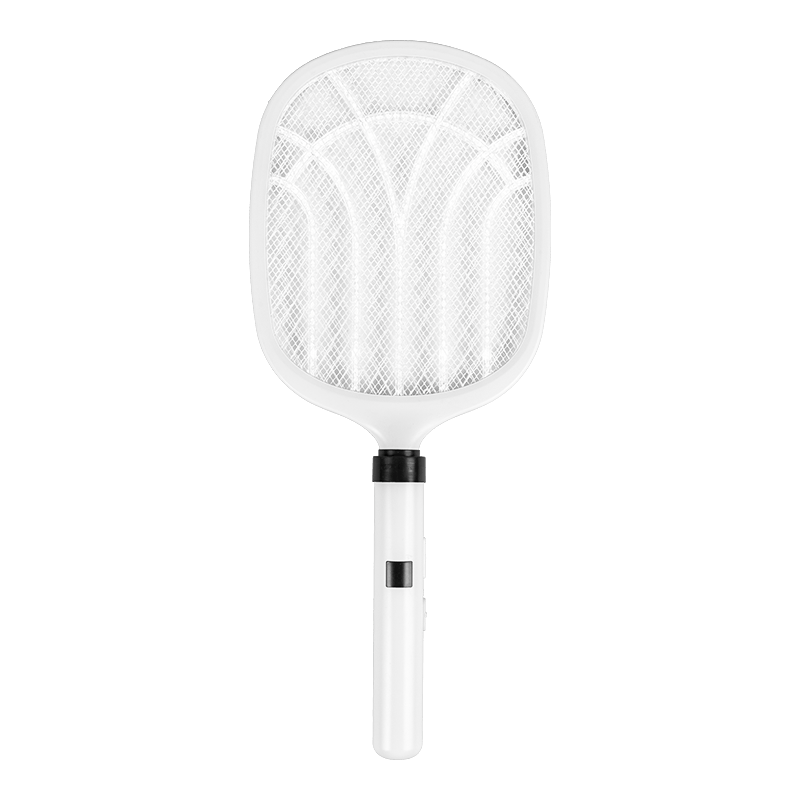 FF-883A 1200mAh Embroidered Pattern Lamp USB Base Lithium Electric Mosquito Swatter
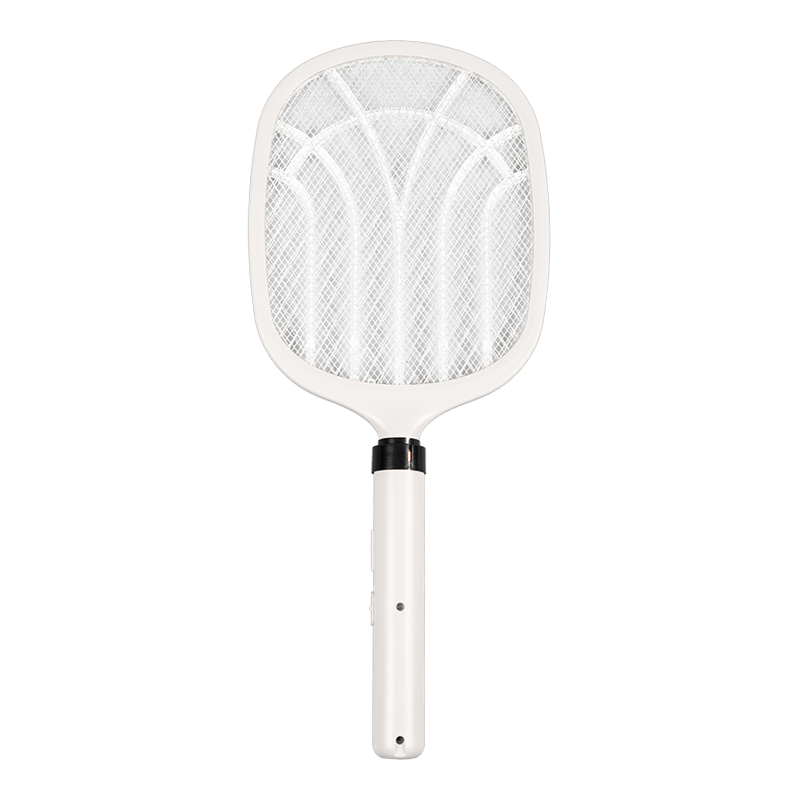 FF-883 1200mAh Embroidered Pattern Lamp USB Base Rechargeable Electric Mosquito Swatter
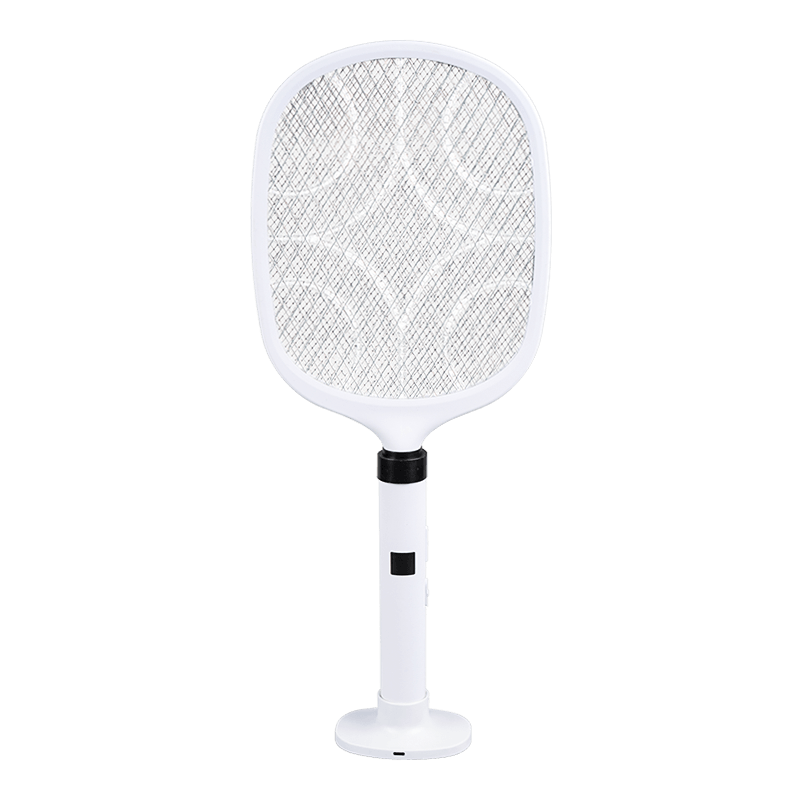 FF-882A 1200mAh Embroidered Pattern Lamp USB Base Electric Mosquito Swatter with Display
 FF-882 1200mAh Electric Mosquito Swatter with Embroidery Lamp
An electric mosquito swatter is one of the most effective, chemical-free tools for killing mosquitoes and other flying insects on contact. I...
READ MOREThe battery size in an electric fly swatter is not a one-size-fits-all specification. Across current models you will find replaceable AAA c...
READ MOREElectric Mosquito Swatter: Instant and Efficient Mosquito Control Electric mosquito swatters provide an immediate, chemical-free way to elim...
READ MOREEvery summer, the hunt for an effective, chemical-free mosquito solution sends millions of people toward electric fly swatters — those te...
READ MORE+86-574-62470728
+86-13736064888
No.1, Fuchuan Hill, Zhishan Village, Yangming Subdistrict, Yuyao City, Zhejiang Province, China

Copyright © Zhejiang Yuyao Fenfa Electric Technology Co., Ltd. All Rights Reserved.
 Custom Electric Handheld Bug Zapper Factory
 Previous