The Technology Behind Electric Mosquito Swatters: How They Work
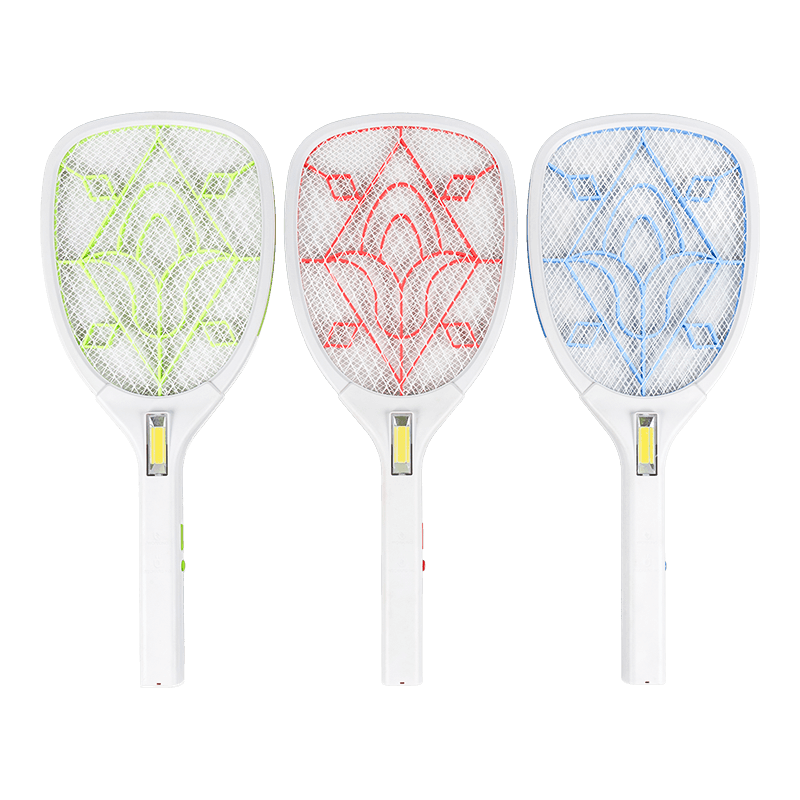
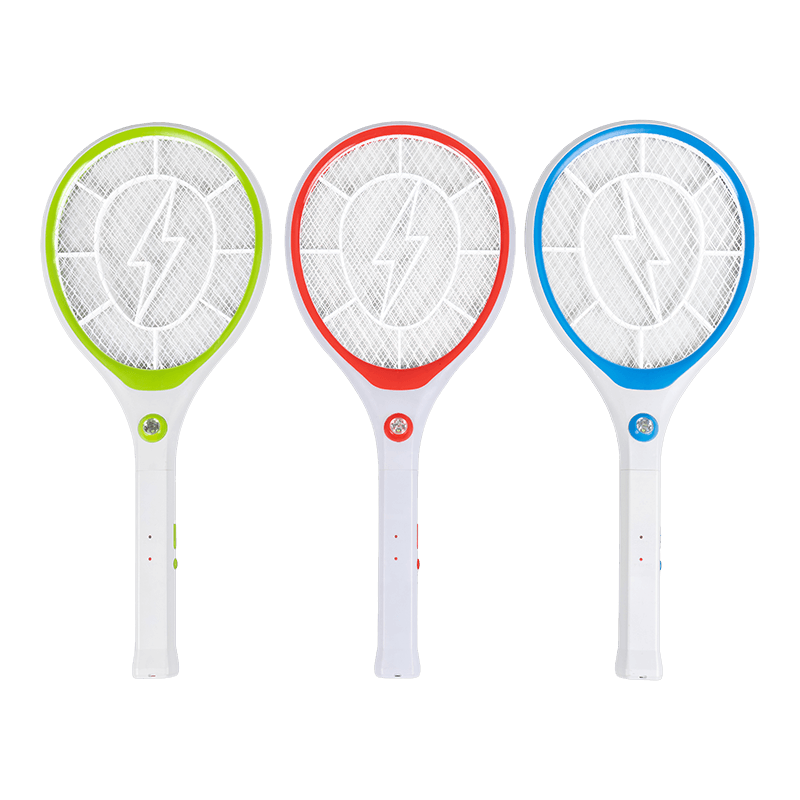
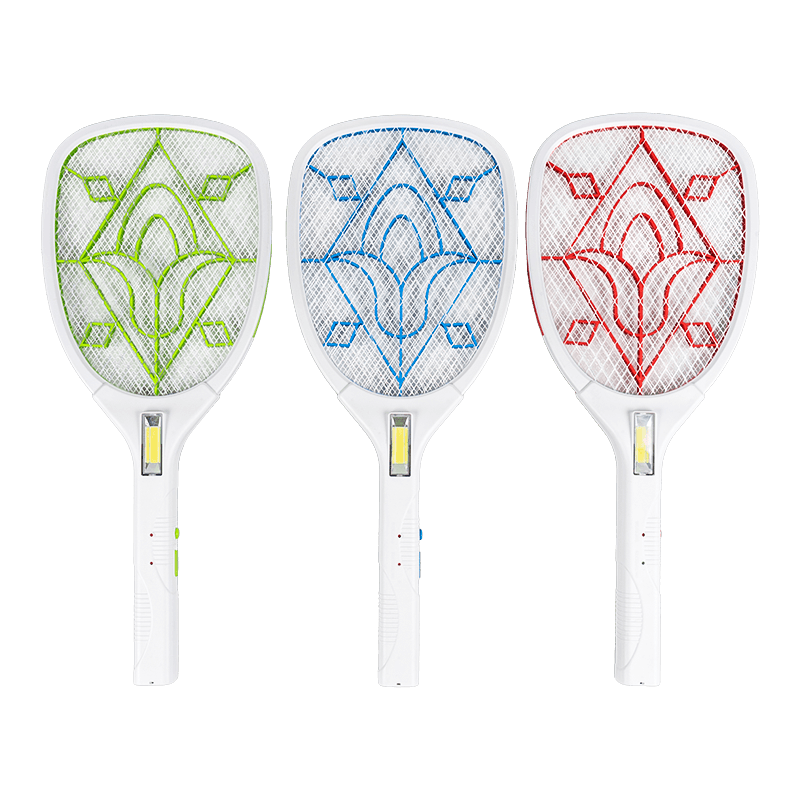
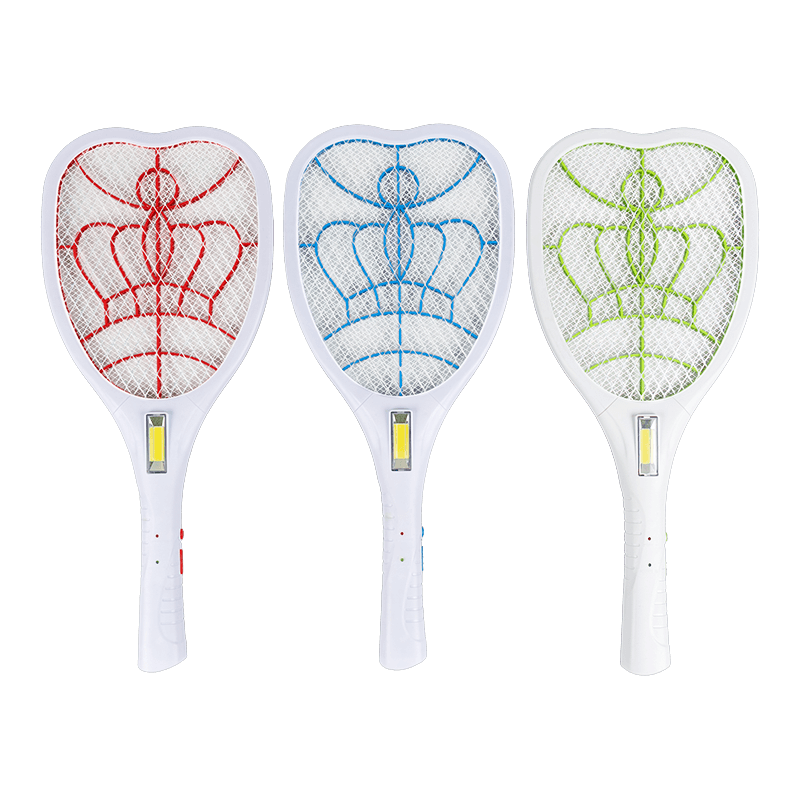
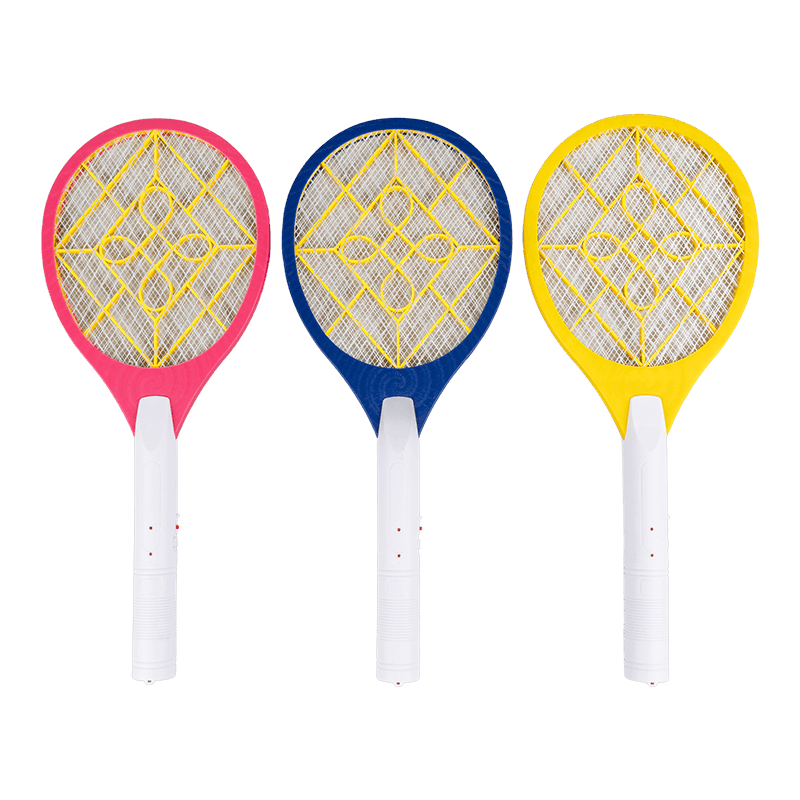
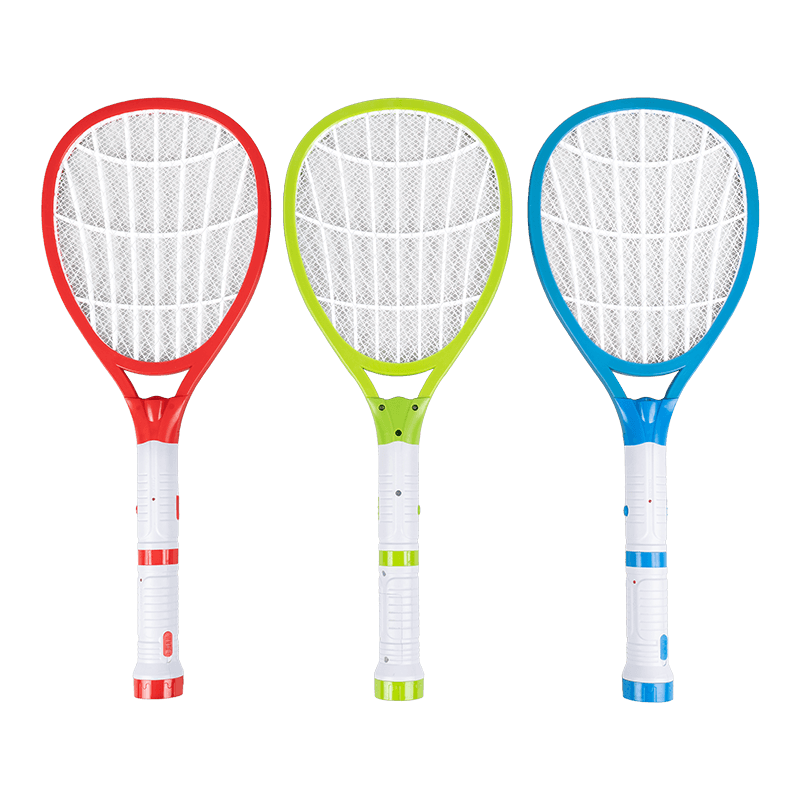
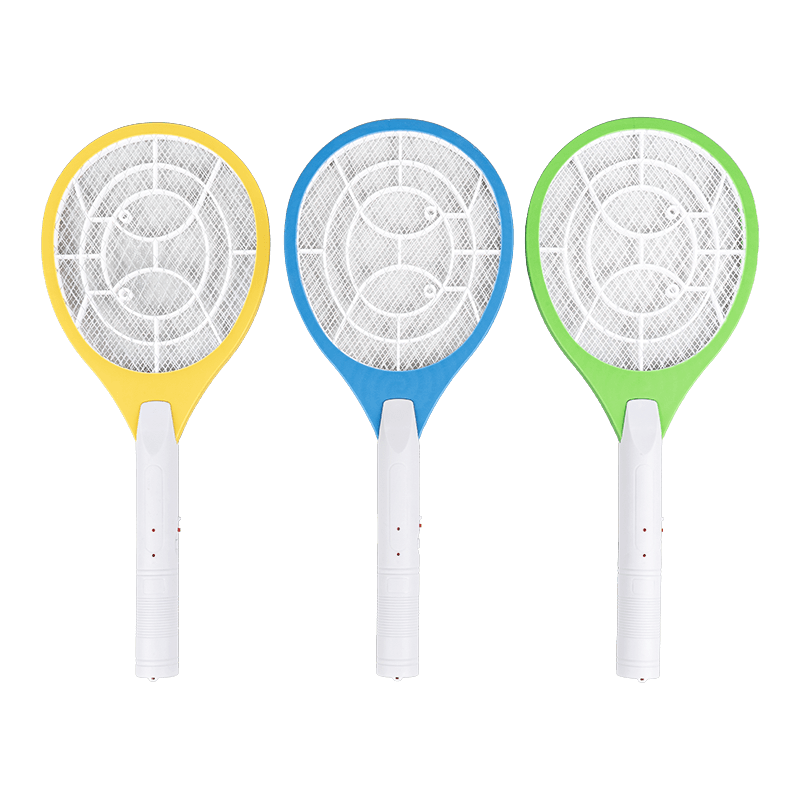
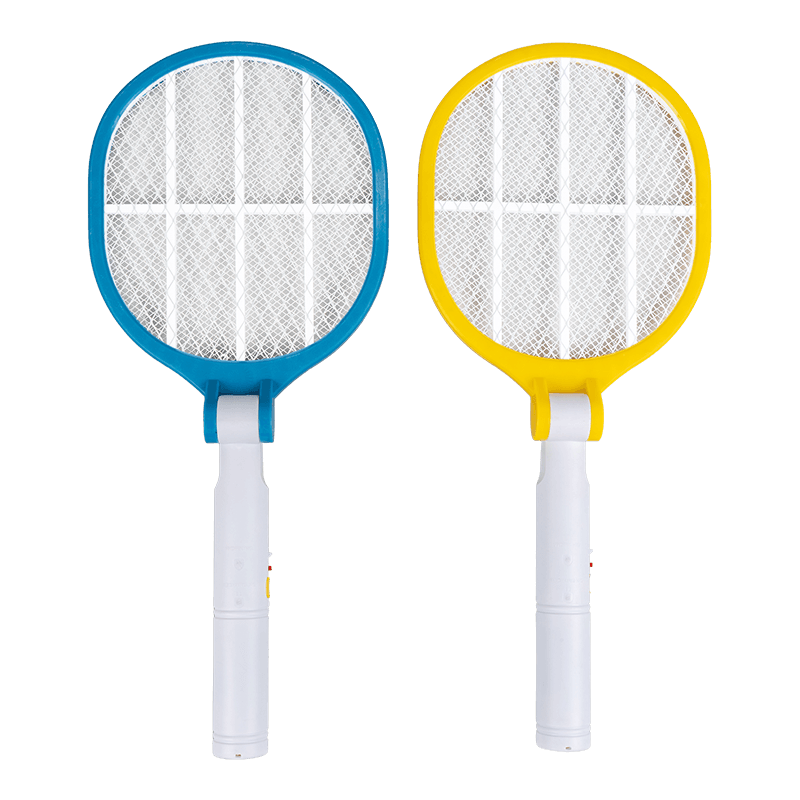
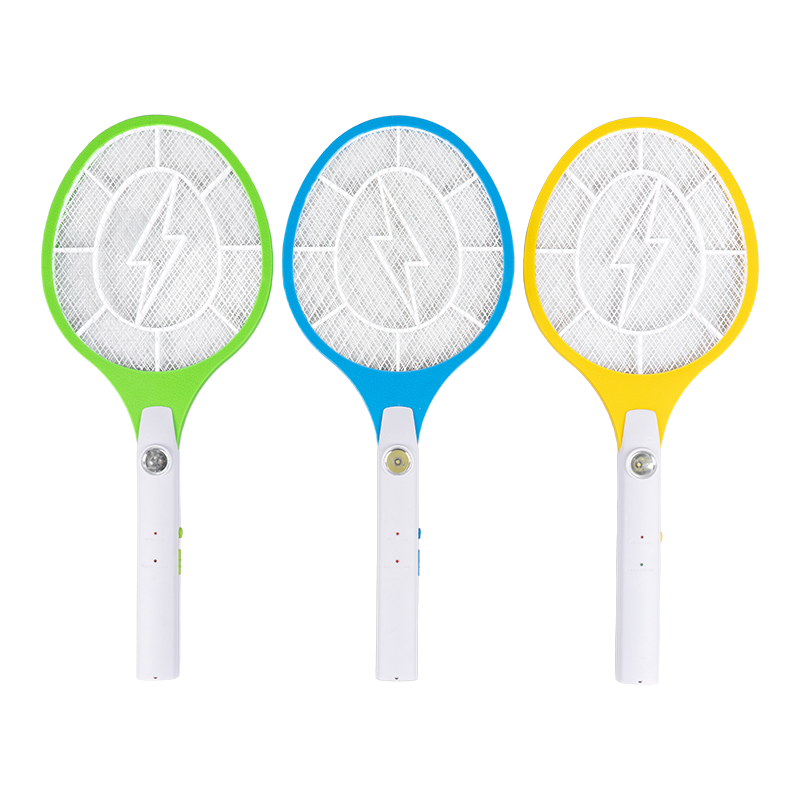
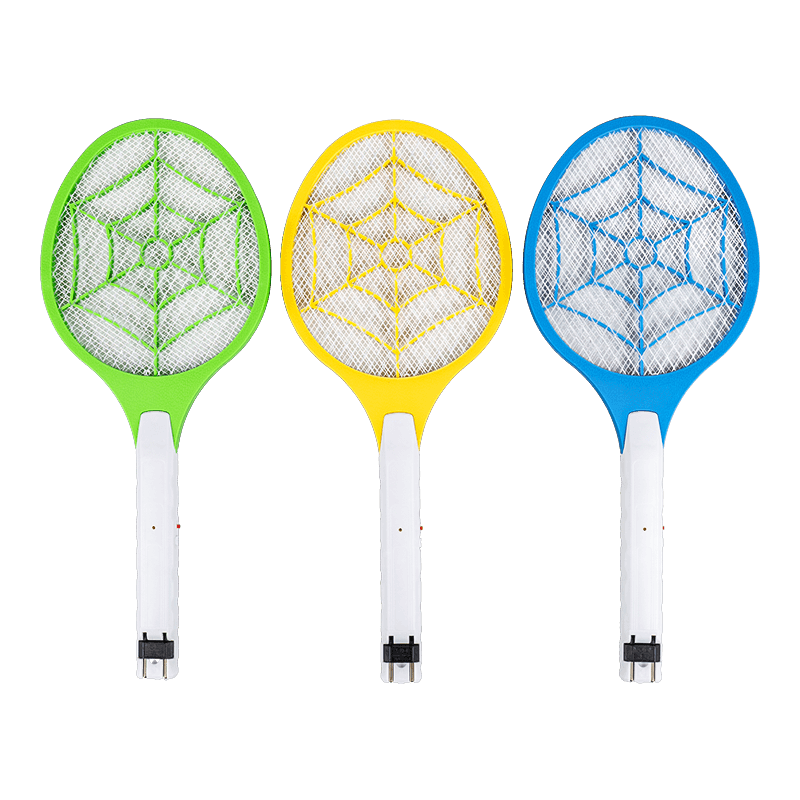
Electric mosquito swatters, also known as Mosquito Zapper Swatter or Electric Bug Swatter devices, represent a practical fusion of portability and electrical engineering for household pest control. These devices are designed in a racket-like form, allowing us to manually target flying insects with precision while relying on an internal high-voltage system to eliminate insects instantly upon contact. The structure typically includes a multi-layer mesh, an insulated handle, a rechargeable or replaceable power source, and a control switch that activates the electrified grid only during operation. Within this category, the Electric Mosquito Swatter stands out due to its simplicity of use combined with immediate effectiveness, making us less dependent on chemical sprays or passive traps.
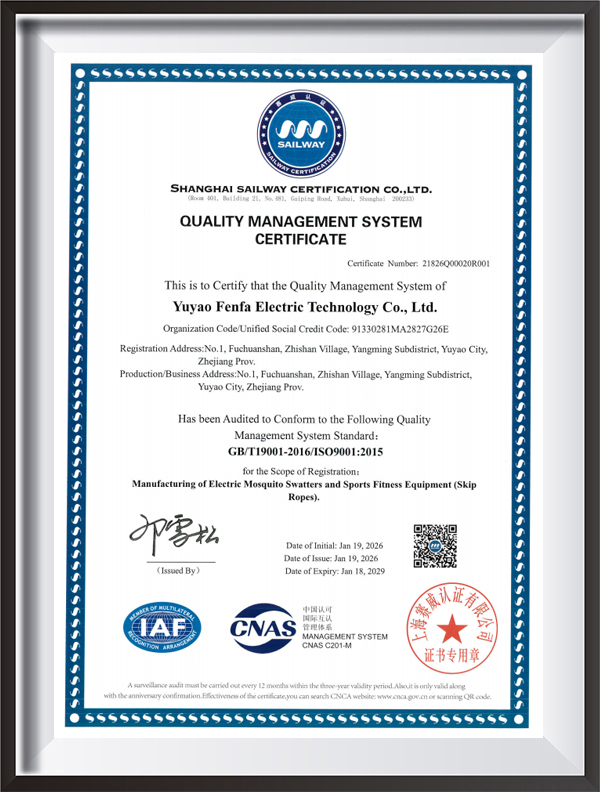
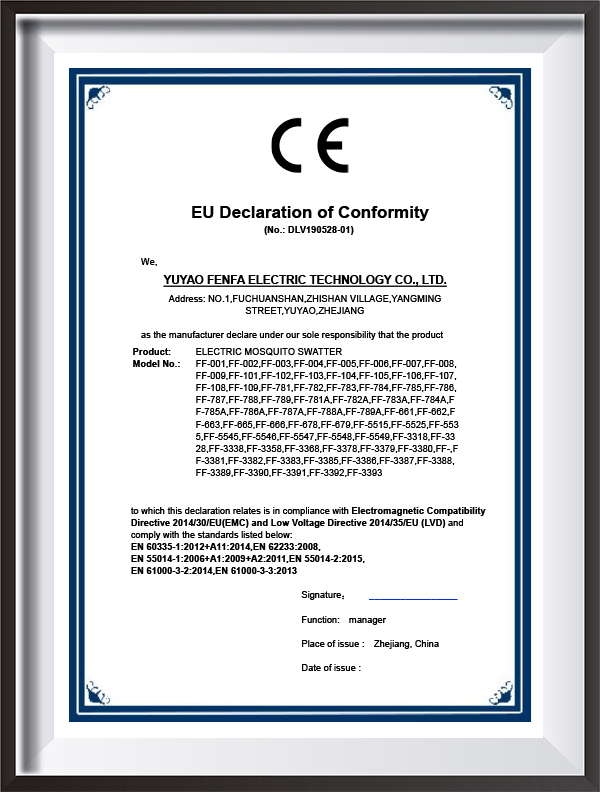
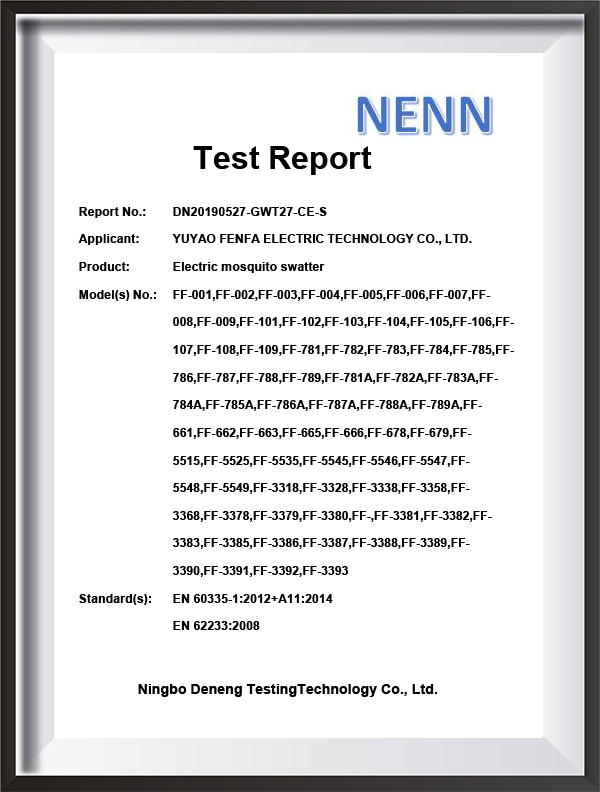
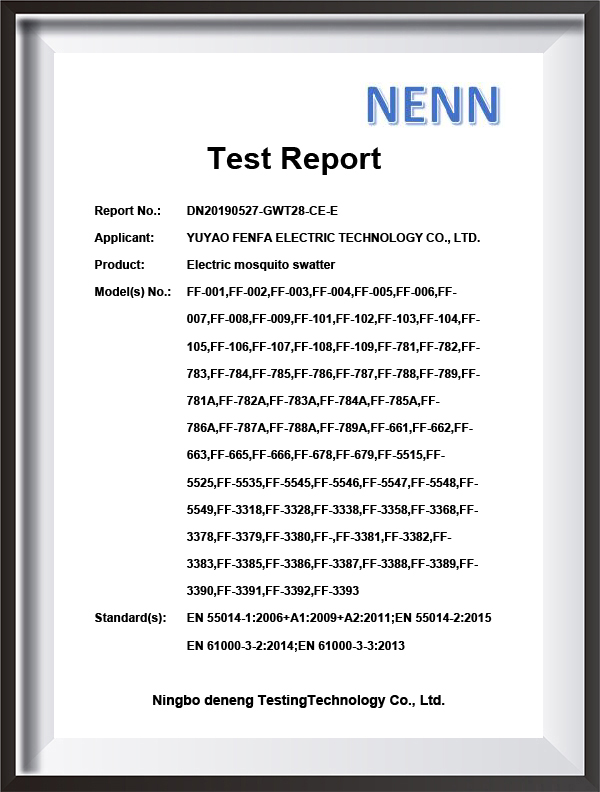
From a manufacturing and technological standpoint, Zhejiang Yuyao Fenfa Electric Technology Co., Ltd. integrates research, production, and quality control into the development of each Mosquito Zapper Swatter. The company, established in 2016 in Yuyao City, Ningbo, operates with a structured quality management system and maintains certifications such as CE and ISO 9001, ensuring that every Electric Bug Swatter aligns with international standards. With a workforce of 51–100 employees and an annual turnover exceeding 50 million yuan, our production capability supports both large-scale distribution and customized OEM solutions.
The increasing demand for Electric Mosquito Swatter products reflects a broader shift toward physical pest control methods that reduce reliance on chemicals. By combining ergonomic design with efficient electrical discharge systems, we achieve a balance between usability and performance. In practical application, we can operate the swatter with a single hand, activate the grid through a button, and eliminate insects instantly upon contact, which demonstrates how a relatively simple device can deliver consistent results through well-executed engineering and manufacturing precision.
The electric mesh is the core functional component of any Mosquito Zapper Swatter, acting as the interface where electrical energy is transferred into a lethal discharge for insects. In a typical Electric Mosquito Swatter, the mesh consists of three layers: two outer protective grids and one inner high-voltage grid. This layered structure allows us to maintain user safety while ensuring that insects can still reach the energized core. The spacing of the mesh wires is carefully calibrated so that mosquitoes and small flying insects can pass through the outer layer and make contact with the electrified center grid, completing the circuit and triggering a rapid discharge.
In terms of materials, conductive metals such as aluminum or steel alloys are commonly used due to durability and efficient conductivity. Zhejiang Yuyao Fenfa Electric Technology Co., Ltd. applies a comprehensive and scientific quality management system to ensure that each Electric Bug Swatter mesh maintains consistent spacing, conductivity, and structural integrity. This consistency allows us to rely on uniform voltage distribution across the grid, preventing weak spots that could reduce effectiveness. The mesh is also coated or treated to resist corrosion, especially in humid environments where mosquito activity is more frequent.
Functionally, when an insect bridges two points on the electrified mesh, a closed circuit is formed, allowing current to pass through the insect’s body. This process occurs in milliseconds, producing a visible spark and an audible “zap,” which indicates successful operation. The Mosquito Zapper Swatter design ensures that the voltage is high enough to eliminate insects but controlled in current to maintain safe handling conditions. Through continuous refinement in mesh structure and materials, we achieve improved durability, consistent performance, and longer service life, making the Electric Mosquito Swatter a reliable tool in both indoor and outdoor environments.
| Parameter Category |
Specification Item |
Description |
Remarks |
| Electrical Input |
Rated Voltage |
3.7V / 4V DC |
Rechargeable battery powered |
| Electrical Output |
Output Voltage |
2000V – 4000V |
High-voltage grid for instant insect zap |
| Battery System |
Battery Type |
Lithium-ion rechargeable battery |
Long cycle life and stable performance |
| Charging Method |
Charging Interface |
USB / Direct plug-in charging |
Flexible charging options |
| Safety System |
Protection Design |
Triple-layer mesh + safety switch |
Prevents accidental contact |
The performance of an Electric Mosquito Swatter depends heavily on its power system, which must deliver stable energy while remaining lightweight and portable. Most modern Mosquito Zapper Swatter devices utilize rechargeable lithium-ion batteries due to high energy density, low self-discharge rate, and long cycle life. This allows us to use the Electric Bug Swatter repeatedly without frequent battery replacement, supporting both convenience and cost efficiency. The battery is typically housed within the handle, which also serves as the primary grip, ensuring balanced weight distribution during operation.
Zhejiang Yuyao Fenfa Electric Technology Co., Ltd. incorporates advanced battery management techniques into its Electric Mosquito Swatter products, ensuring stable voltage output and protection against overcharging, over-discharging, and short circuits. These protective measures are integrated into the internal circuitry, allowing us to maintain consistent performance over time. The company’s expertise in household appliances and electronic mosquito killers supports the development of power systems that align with international safety and efficiency standards.
Charging methods vary depending on the model, with options including USB charging ports or direct AC charging plugs. This flexibility allows us to adapt to different usage environments, whether at home or while traveling. Once charged, the battery powers a step-up circuit that converts low-voltage DC into high-voltage output required for the electrified mesh. The efficiency of this conversion process directly influences the strength and consistency of the zap effect in the Mosquito Zapper Swatter.
By focusing on battery durability and efficient energy conversion, we ensure that each Electric Bug Swatter delivers reliable performance across multiple usage cycles. This approach reduces downtime, enhances portability, and supports long-term usability, aligning with the expectations of modern consumers seeking practical and efficient pest control solutions.
The internal circuitry of an Electric Mosquito Swatter is responsible for transforming stored battery energy into a high-voltage output capable of eliminating insects instantly. At the core of this system is a step-up transformer or oscillator circuit that increases the voltage from a few volts to several thousand volts. This high voltage is applied across the mesh of the Mosquito Zapper Swatter, creating the electric field necessary for insect elimination.
The circuit typically includes components such as transistors, capacitors, diodes, and resistors, each contributing to voltage regulation and energy storage. Capacitors store electrical charge and release it rapidly when an insect completes the circuit on the mesh, resulting in a sharp discharge. This controlled release ensures that the Electric Bug Swatter produces a noticeable zap without continuous high current flow, which helps maintain safety and energy efficiency.
Zhejiang Yuyao Fenfa Electric Technology Co., Ltd. utilizes advanced design and testing processes to ensure that each circuit operates reliably under repeated use. The company’s ISO 9001-certified quality system ensures that circuit components are selected and assembled with precision, reducing the risk of malfunction. Additionally, environmental impact approvals and compliance measures reflect the company’s ability to manufacture products that meet regulatory requirements while maintaining performance standards.
The activation mechanism is usually a push-button switch that connects the battery to the circuit only when pressed. This design ensures that the Electric Mosquito Swatter remains inactive when not in use, conserving energy and reducing accidental discharge. Through careful integration of electrical components, we achieve a balance between high-voltage effectiveness and controlled energy output, allowing the Mosquito Zapper Swatter to perform efficiently while maintaining operational safety.
Safety design in an Electric Mosquito Swatter focuses on preventing accidental exposure to high voltage while maintaining effective insect elimination. The multi-layer mesh structure acts as the first level of protection, with outer grids preventing direct contact with the energized inner mesh. This layered configuration ensures that even if we touch the surface lightly, the risk of electrical shock is minimized due to spacing and insulation.
In addition to structural protection, the handle of the Electric Bug Swatter is made from non-conductive materials, ensuring that electrical current remains confined to the mesh area. The activation switch requires continuous pressure, meaning the Mosquito Zapper Swatter only operates when intentionally engaged. This reduces unintended activation and enhances overall control during use.
Zhejiang Yuyao Fenfa Electric Technology Co., Ltd. integrates multiple safety features into product design, supported by CE certification and a comprehensive quality management system. These measures include internal insulation layers, secure wiring, and protective housings that prevent internal components from exposure. The company’s experience in manufacturing household appliances ensures that safety considerations are embedded throughout the design and production process.
Additional features may include indicator lights that signal when the Electric Mosquito Swatter is active, allowing us to visually confirm operational status. Some models also include automatic shut-off mechanisms after a period of inactivity. By combining physical barriers, electrical insulation, and controlled activation, we achieve a design that allows effective insect elimination while minimizing risks associated with high-voltage operation.
The usability of an Electric Mosquito Swatter depends not only on its electrical performance but also on how comfortably and efficiently we can operate it. Ergonomic design focuses on handle shape, weight distribution, and ease of activation, ensuring that the Mosquito Zapper Swatter can be used for extended periods without discomfort. The handle is typically contoured to fit the natural grip of the hand, reducing strain during repeated motion.
Weight balance is another important factor, as the Electric Bug Swatter must remain light enough for quick movement while maintaining structural durability. Materials such as high-strength plastics are commonly used to achieve this balance. The positioning of the battery within the handle contributes to stability, allowing us to control the swatter with precision when targeting fast-moving insects.
Zhejiang Yuyao Fenfa Electric Technology Co., Ltd. applies its experience in manufacturing household daily necessities to optimize user interaction in each Electric Mosquito Swatter design. With a workforce dedicated to research and production, the company ensures that products meet both functional and ergonomic expectations. Customization and OEM capabilities further allow adjustments based on market preferences, including handle texture, button placement, and overall dimensions.
User interaction is also enhanced through simple controls, typically involving a single activation button. This straightforward design reduces complexity and allows immediate operation. By focusing on comfort, control, and intuitive use, we ensure that the Mosquito Zapper Swatter remains practical for everyday pest control, supporting consistent performance without unnecessary effort.

 EN
EN  English
 中文简体
中文简体 Español
 عربى
عربى