 EN
EN  English
 中文简体
中文简体 Español
 عربى
عربىNews
Home / News / Industry News / Electric Mosquito Swatters: Fast and Safe Mosquito Control for Home and Outdoors

Content
Electric mosquito swatters provide an immediate, chemical-free way to eliminate mosquitoes and flying insects. Unlike sprays or coils, they deliver quick results without leaving harmful residues, making them ideal for homes, offices, patios, and outdoor activities. Users report a 90% reduction in mosquito encounters within the first few days of consistent use, showing their high effectiveness in daily mosquito management.
These swatters are versatile, allowing both indoor and outdoor use. For families with children or pets, they offer a safe alternative to insecticides, providing peacfe of mind without compromising on efficiency.
The core principle of electric mosquito swatters is simple: a high-voltage grid delivers a controlled electric shock when an insect comes into contact. This instantly kills mosquitoes while remaining safe for humans when handled correctly. Modern swatters typically operate at 600V to 2500V, enough to be effective but designed with outer protective mesh for safety.
In addition, some advanced models feature LED indicators for battery level and night-time operation, making them convenient for use during evening hours when mosquitoes are most active.
Electric swatters are more than just a replacement for fly swatters. Their design and functionality offer several significant advantages:
Use the swatter near common mosquito entry points such as windows, doors, and vents. Approach mosquitoes slowly to ensure accurate strikes. Users often report that keeping lights dimmed improves mosquito visibility, increasing hit success by over 50%.
For patios, gardens, or camping, ensure the swatter is fully charged. Evening hours are most effective since mosquitoes are more active at dusk. Holding the swatter near light sources can attract insects for easier elimination.
Rechargeable lithium-ion batteries typically provide 6–10 hours of continuous use. Avoid overcharging to extend battery life. Some models include USB charging, making them convenient for travel or outdoor use.
While generally safe, electric mosquito swatters require proper handling to prevent accidents:
Most swatters operate between 600V and 2500V. Higher voltage ensures faster and more reliable insect elimination, while safety mesh prevents accidental contact.
Three-layer mesh is recommended: two outer protective layers and one inner electrified grid. Larger swatters cover more area per swing, improving hit accuracy and efficiency.
Rechargeable models are cost-effective and eco-friendly, while disposable battery models offer portability without waiting for charging. Rechargeable swatters typically last 3–5 years with proper care.
| Feature | Recommended | Reason |
|---|---|---|
| Voltage | 1500–2500V | Fast, reliable insect elimination |
| Mesh Layers | 3 layers | Safety and effectiveness |
| Power Source | Rechargeable | Eco-friendly and cost-efficient |
Recommended features for an effective and safe electric mosquito swatter
Regular maintenance keeps your swatter effective for years. Wipe the mesh with a dry cloth, remove debris, and avoid water contact. Rechargeable swatters should be charged according to manufacturer instructions to prevent battery degradation. With consistent care, devices can last up to 5 years.
Electric mosquito swatters provide fast, safe, and eco-friendly mosquito elimination for both indoor and outdoor environments. With proper usage, safety measures, and maintenance, they are a reliable tool for households, offices, and outdoor enthusiasts, ensuring a mosquito-free environment without the drawbacks of chemical sprays or traps.
Grand View Research — “Electric Mosquito Swatter Market Size, Share & Trends Analysis Report 2025?2035”
Statista — “Household Insecticide and Mosquito Control Product Usage Statistics”
Allied Market Research — “Mosquito Control Devices Market Analysis by Type and Region”
U.S. Environmental Protection Agency (EPA) — “Safer Mosquito Control Practices for Home and Outdoor Use”
Consumer Reports — “Best Electric Mosquito Swatters: Performance and Safety Comparison”
Journal of Vector Ecology — “Efficacy of Electric Mosquito Zappers in Residential Settings”
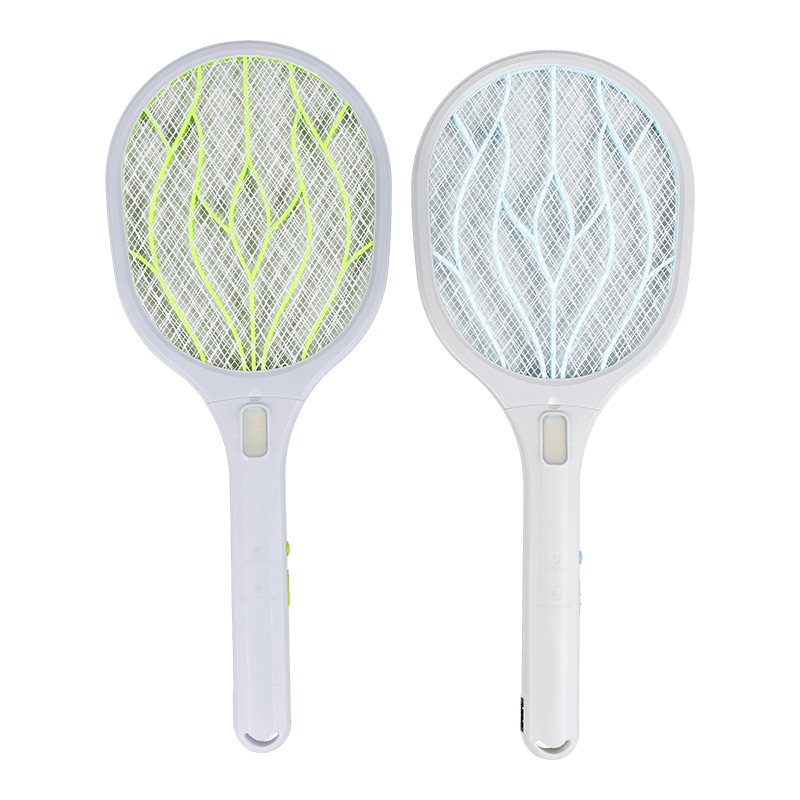 FF-988A 400mAh Portable Electric Mosquito Swatter with Light and Figure-Eight Cord
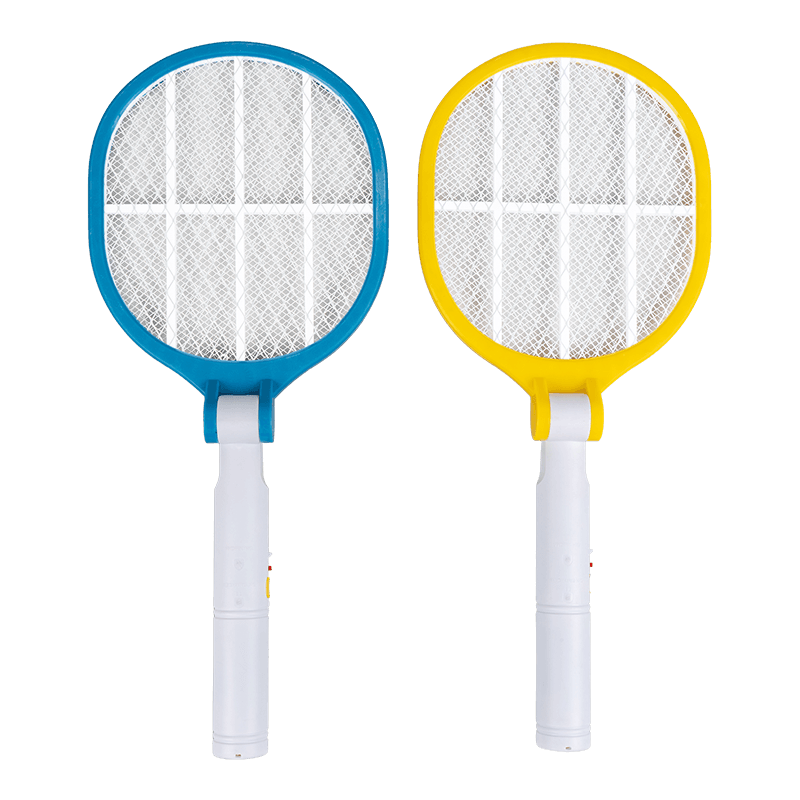 FF-101 2-Color Foldable Lead-Acid Battery 400mAh with Plug Electric Mosquito Swatter
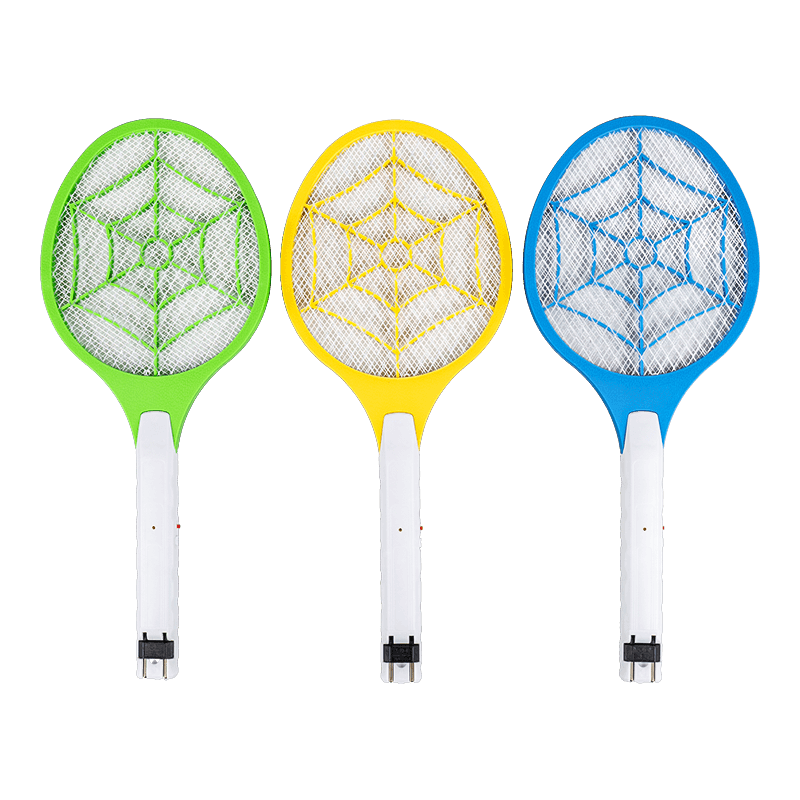 FF-007 3-Color Brazilian Plug Lead-Acid Battery 400mAh Electric Mosquito Swatter
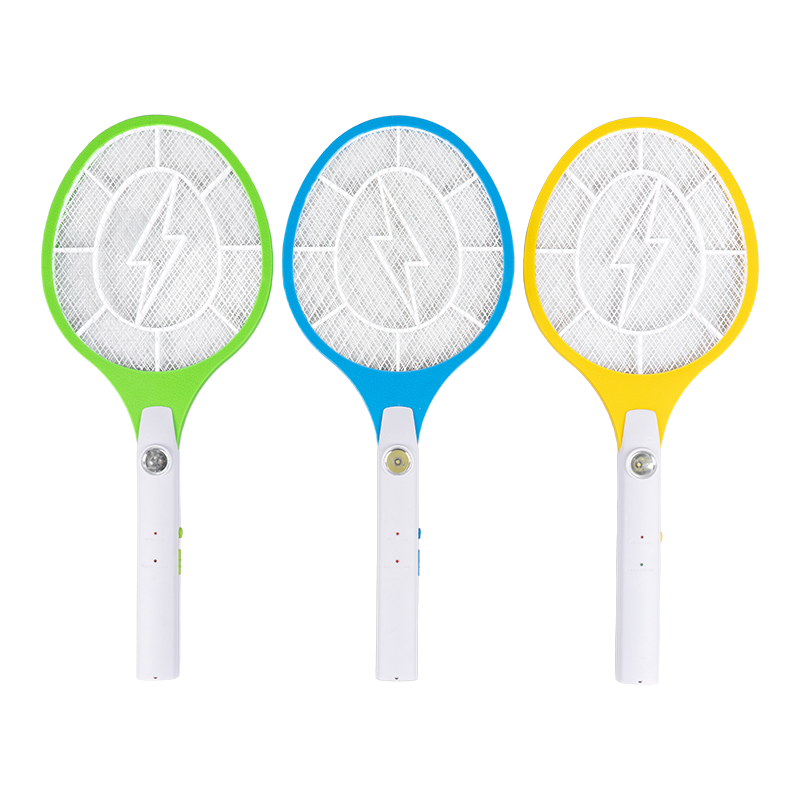 FF-009 LED Lead-Acid Battery 400mAh with Plug Electric Mosquito Swatter
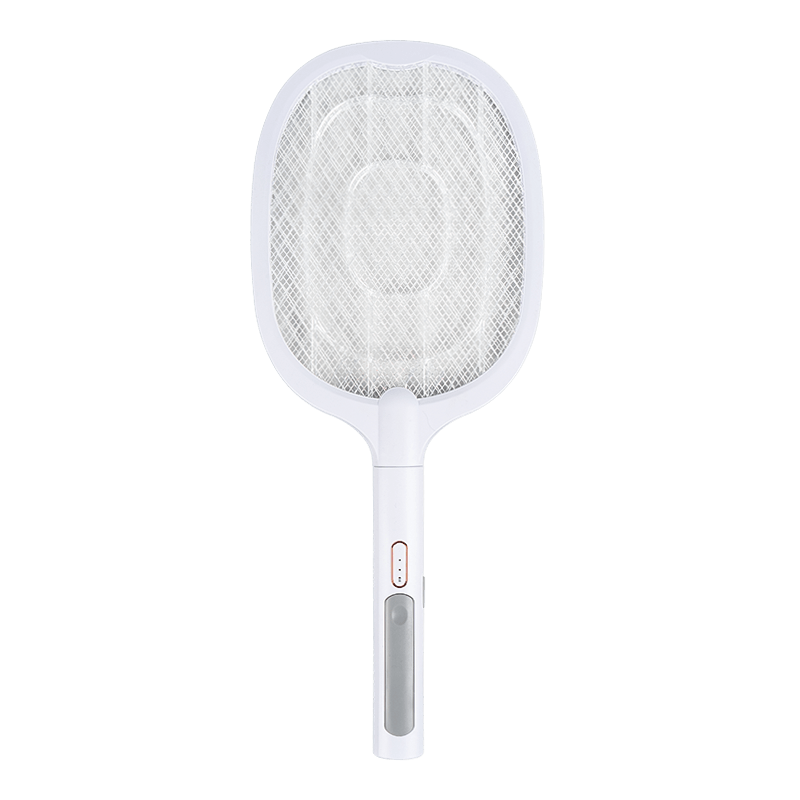 FF-888A 1200mAh Bottom-Charge Embroidered Pattern Lamp USB Base High-Efficiency Electric Mosquito Swatter
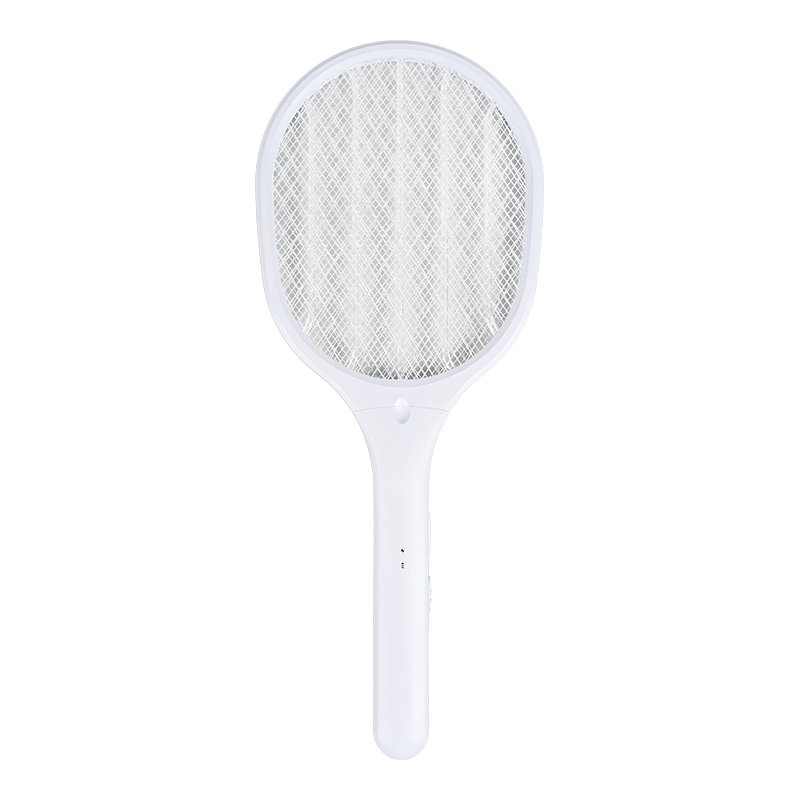 FF-886 500mAh Five-Mode Embroidered Pattern Lamp USB Base Adjustable Electric Mosquito Swatter
Mosquitoes remain one of the most persistent nuisances in both indoor and outdoor living spaces, and for decades households have relied on...
READ MOREMosquitoes remain one of the most persistent nuisances in daily life, disrupting sleep, interrupting outdoor gatherings, and in many region...
READ MOREChemical-free mosquito control encompasses the full range of physical, biological, environmental, and technological strategies used to redu...
READ MOREElectric mosquito swatters are widely used in homes around the world as a chemical-free way to eliminate mosquitoes and other flying insects...
READ MORE+86-574-62470728
+86-13736064888
No.1, Fuchuan Hill, Zhishan Village, Yangming Subdistrict, Yuyao City, Zhejiang Province, China

Copyright © Zhejiang Yuyao Fenfa Electric Technology Co., Ltd. All Rights Reserved.
 Custom Electric Handheld Bug Zapper Factory
 Previous