 EN
EN  English
 中文简体
中文简体 Español
 عربى
عربىNews
Home / News / Industry News / The Best Electric Fly Swatter: What to Look For and Expert Buying Tips

Content
Few things disrupt a peaceful evening faster than a mosquito buzzing past your ear. Traditional swatters leave smudges on walls and plenty of missed swings, but an electric fly swatter offers a fast, clean solution with a satisfying zap. As a manufacturer that designs and produces electric mosquito killers for households around the world, we have spent years testing grids, batteries, and handle designs. In this guide, we share what genuinely makes the best electric fly swatter, compare the most common power configurations, and explain how an electric mosquito swatter works so you can buy with confidence.
An electric fly swatter releases a high-voltage charge across a metal grid whenever it touches an insect. Performance in daily use, however, depends on a number of design choices that are easy to overlook during a quick shelf inspection. From our experience on the production floor, the best electric fly swatter combines sufficient grid voltage, a dependable power supply, an ergonomic handle, and sensible safety features.
These are the criteria we recommend checking before you make a purchase:
| Criterion | Why It Matters |
|---|---|
| Power source | Rechargeable and battery-powered models offer different convenience and running costs |
| Battery capacity | Higher mAh ratings support longer runtime and steadier output |
| Charging method | USB, wall plug, charging base, and figure-eight wire suit different households |
| Grid structure | A three-layer mesh increases insect contact while reducing accidental shock risk |
| Built-in lighting | LED lights help you target insects accurately in dark rooms |
| Weight and grip | Lightweight construction reduces arm fatigue during repeated use |
Once you know what to inspect, the next question is usually about power: should the swatter be rechargeable or run on replaceable batteries?
The power configuration shapes how a swatter fits into your daily routine. Both types can perform well, but each suits different habits.
Rechargeable models store energy in a lithium or lead-acid battery and can be topped up with a USB cable, charging base, or figure-eight wire. A high-capacity rechargeable swatter, such as one built around a 1200mAh battery, offers extended operation between charges and removes the need to keep buying replacement cells. That makes it a strong choice for daily use in kitchens, bedrooms, and holiday homes where mosquitoes are a constant annoyance. Models like the FF785A show how far this category has come, pairing USB convenience with a large battery, a comfortable three-color body, and a well-balanced frame.
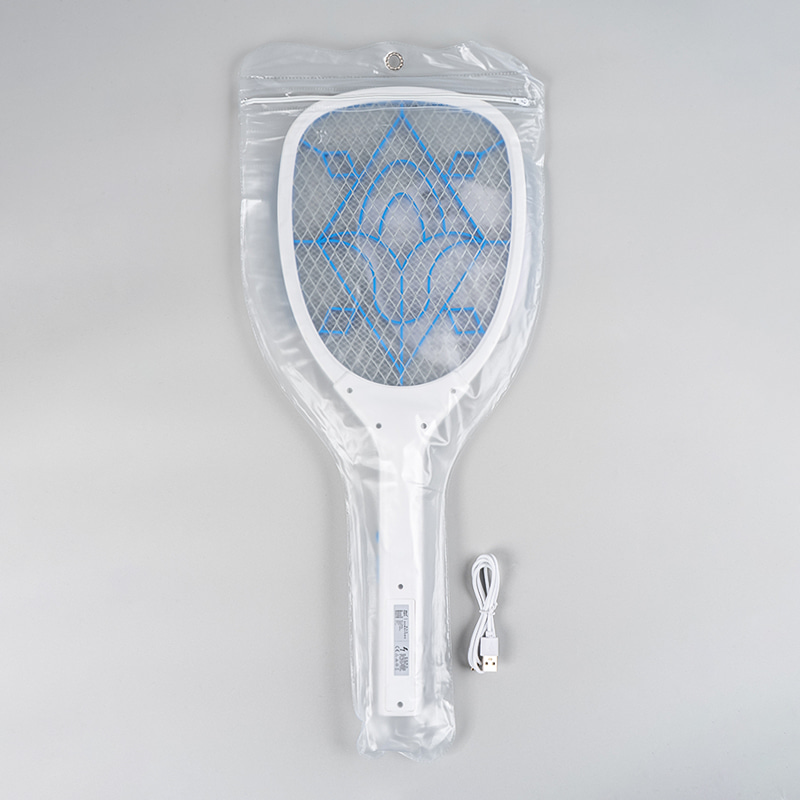 FF-785A Rechargeable Mosquito Swatter with 1200mAh Battery and USB ChargingThe FF-785A is a rechargeable model with a 1200mAh lithium battery and USB cable, suitable for daily use where mosquitoes are constant. It offers extended operation and a comfortable three-color design.View Product →
Battery-powered swatters run on standard cells such as AAA batteries. Their main advantage is instant readiness: you can drop in fresh batteries and keep swatting with no waiting for a charge. They are also simple to manufacture, which keeps their price low, and easy to replace if a unit gets lost or damaged. For occasional use in a garage, garden shed, or office drawer, a dependable AAA model such as the FF008 is as practical as it gets.
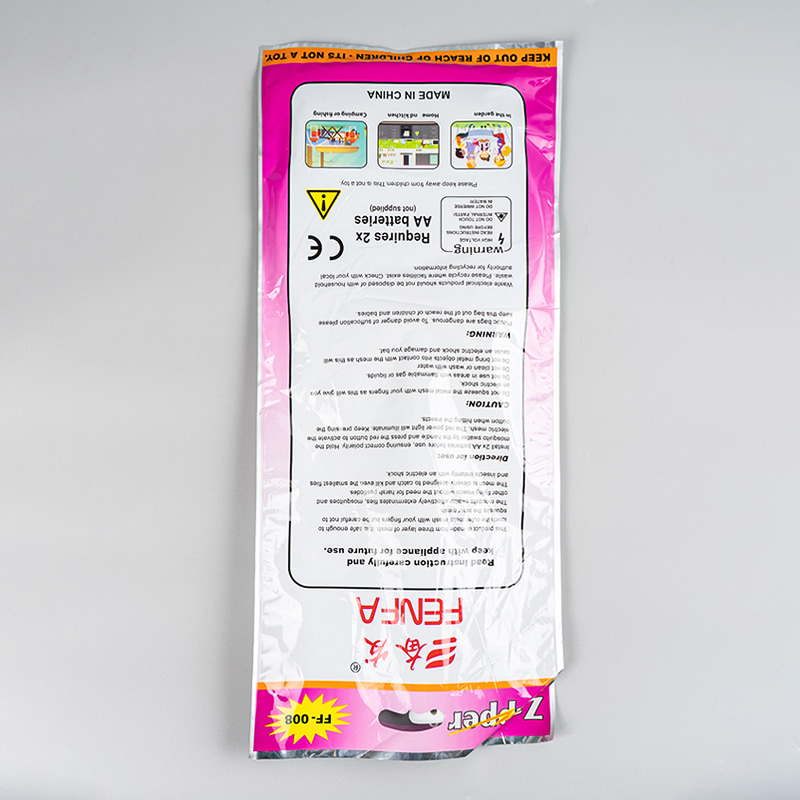 FF-008 AAA Battery-Powered Mosquito Swatter for Occasional UseThe FF-008 runs on standard AAA batteries, providing instant readiness without charging. Its simple design keeps costs low, making it practical for garages, sheds, or office drawers where occasional use is expected.View Product →
In our experience, households that deal with mosquitoes every night prefer rechargeable models, while those that only need occasional protection are perfectly happy with battery-powered designs. If you are unsure, consider how often the swatter will leave its storage spot.
Beyond power, small design details decide whether a swatter feels like a precision tool or just another drawer item. After years of manufacturing these products, here are the features we get asked about most:
Lighting is more than a novelty. Mosquitoes are most active at dawn and dusk, when indoor lighting is often dim. A swatter with an integrated LED light lets you see your target clearly and confirm the kill. Some models, such as the FF888 with its five-level LED configuration, even let you adjust the brightness and pattern of the light to match the room and the moment. This kind of flexibility turns a simple bug zapper into a genuinely versatile household tool.
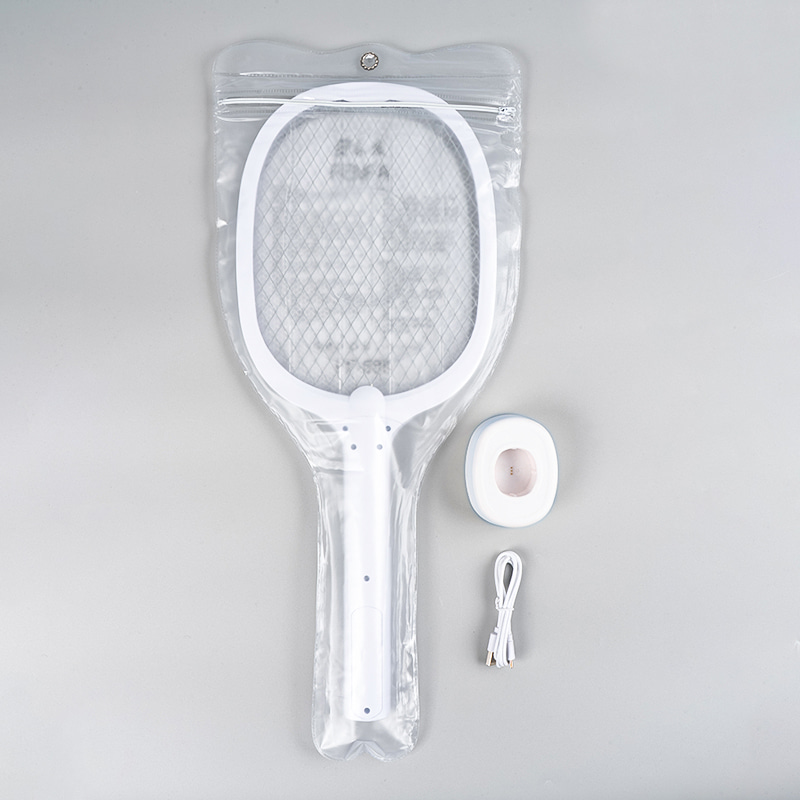 FF-888 Mosquito Swatter with Five-Level LED Light and USB Rechargeable BatteryThe FF-888 features six violet LED beads that attract mosquitoes, boosting efficiency, and a five-level adjustable light. Its 1200mAh battery and USB charging make it a versatile tool for low-light conditions.View Product →
Electrical products that operate at high voltage demand careful construction. The best electric fly swatter uses a three-layer safety mesh: the outer layers are grounded, and the inner layer carries the charge. This arrangement allows insects to contact the charged grid while keeping accidental contact with fingers much less likely.
Look for signs of quality in the casing, the tension of the mesh, and the switching mechanism. A properly built swatter should have no exposed wiring, a trigger or button that responds cleanly, and a battery compartment that closes securely. In our factory, we apply strict quality checks to every batch and hold certifications such as CE and ISO 9001, because safety and consistency should never be left to chance.
To help you act on what we have covered, here is a simple decision checklist that we also share with our trade buyers:
Location also plays a part. Indoor users benefit from lighting and a charging base, while outdoor users should favour compact, durable designs that can be grabbed on the way to the garden. You can browse the full electric fly swatter collection to compare models side by side, or contact our team if you need help identifying the right configuration for your market or household.
The best electric fly swatter is not necessarily the most expensive one, but the one that matches how and where you use it. Rechargeable models with USB convenience, reliable battery capacity, and thoughtful extras such as LED lighting deliver the smoothest experience for daily indoor defence. Battery-powered swatters remain a dependable, low-cost option for light and occasional use. By keeping power source, build quality, safety, and lighting at the centre of your decision, you can choose a swatter that will keep serving you through many mosquito seasons.
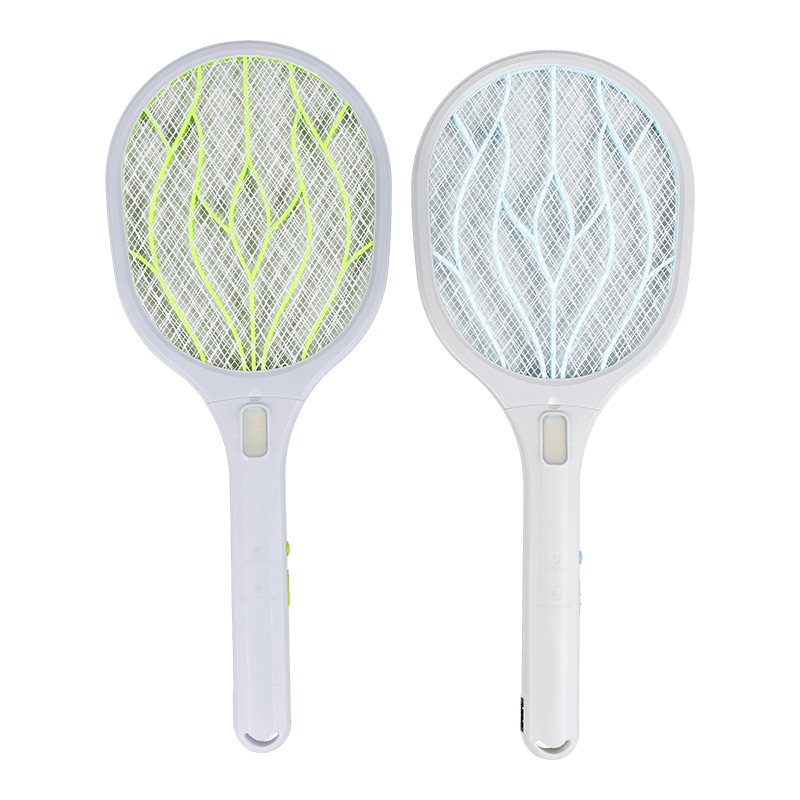 FF-988A 400mAh Portable Electric Mosquito Swatter with Light and Figure-Eight Cord
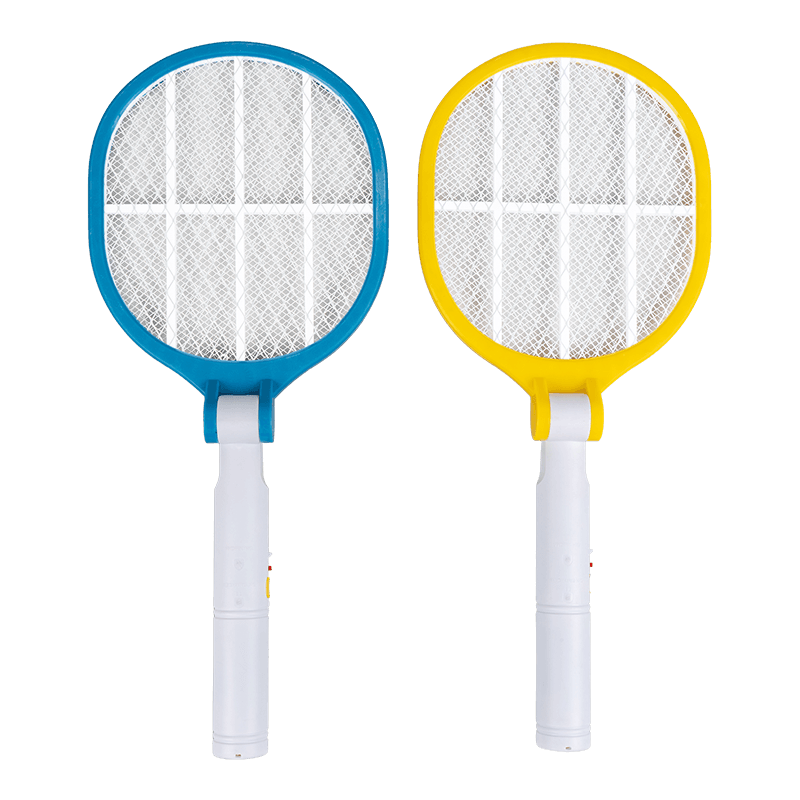 FF-101 2-Color Foldable Lead-Acid Battery 400mAh with Plug Electric Mosquito Swatter
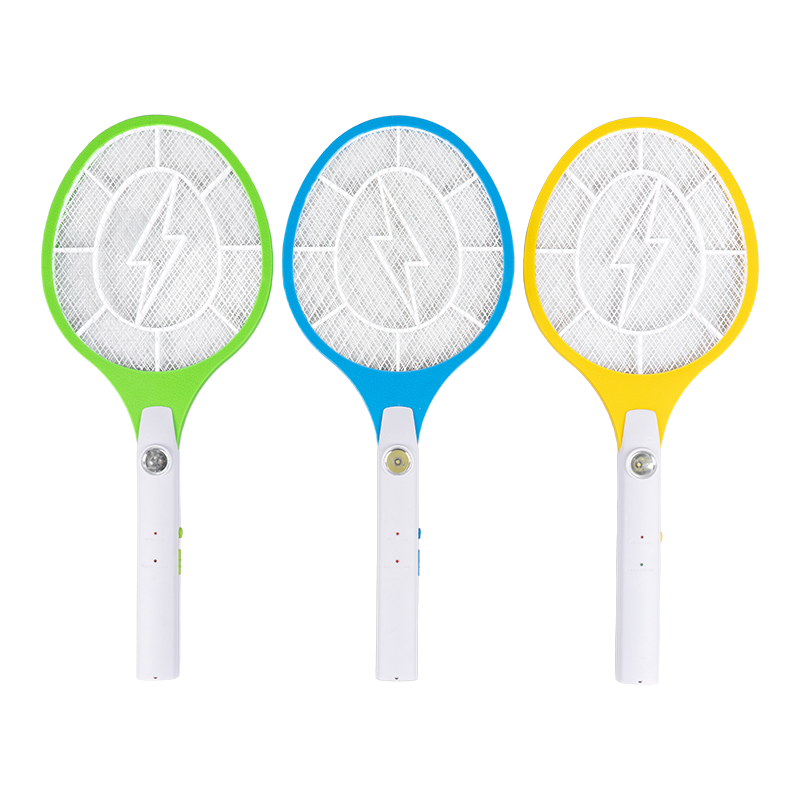 FF-009 LED Lead-Acid Battery 400mAh with Plug Electric Mosquito Swatter
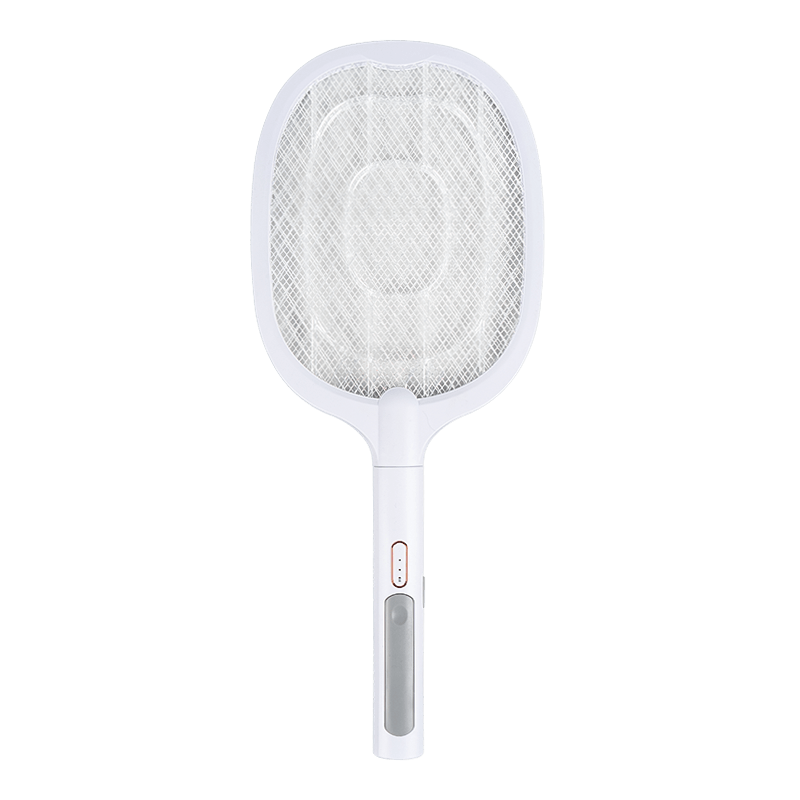 FF-888A 1200mAh Bottom-Charge Embroidered Pattern Lamp USB Base High-Efficiency Electric Mosquito Swatter
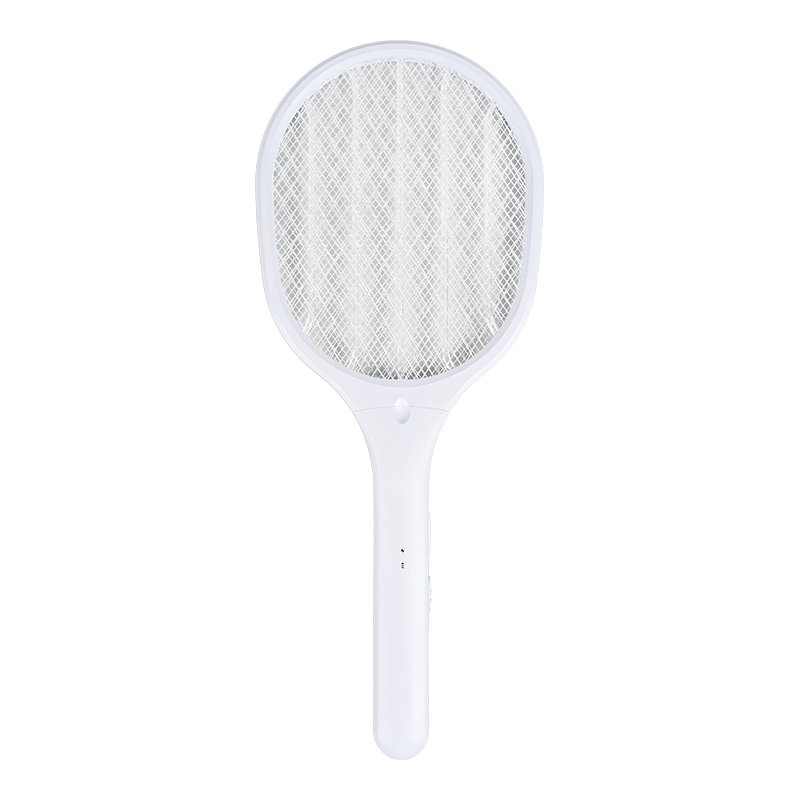 FF-886 500mAh Five-Mode Embroidered Pattern Lamp USB Base Adjustable Electric Mosquito Swatter
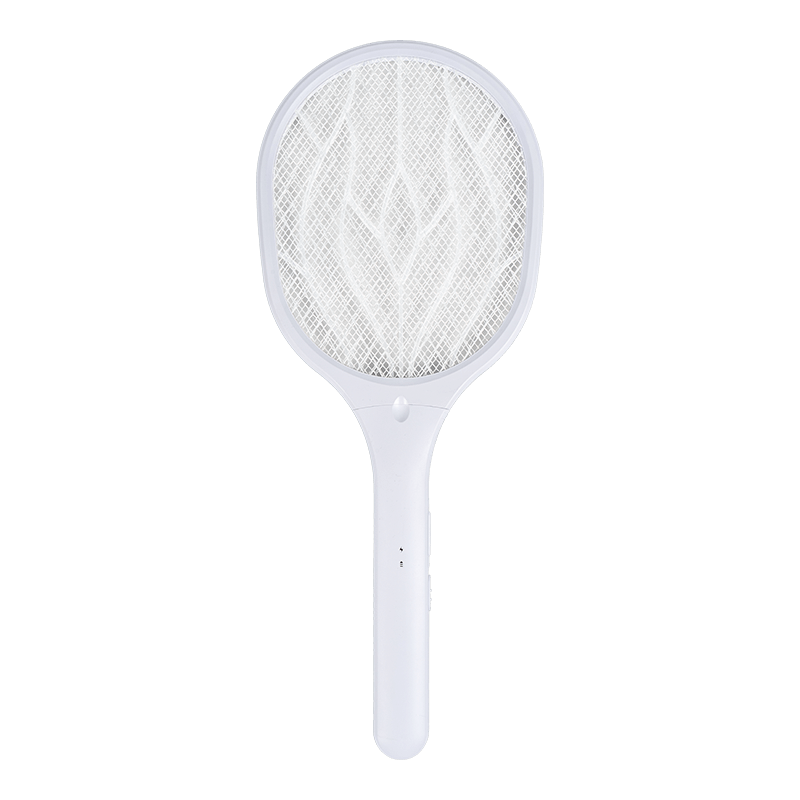 FF-886 500mAh Flame Embroidered Pattern Lamp USB Base Electric Mosquito Swatter
An electric mosquito swatter is one of the most effective, chemical-free tools for killing mosquitoes and other flying insects on contact. I...
READ MOREWhen you press the button on an electric fly swatter, the metal grid delivers a high-voltage pulse that stuns or kills mosquitoes, flies, a...
READ MOREThe battery size in an electric fly swatter is not a one-size-fits-all specification. Across current models you will find replaceable AAA c...
READ MOREA battery-powered electric mosquito swatter specifically refers to an electronic mosquito swatter that uses standard disposable dry batter...
READ MORE+86-574-62470728
+86-13736064888
No.1, Fuchuan Hill, Zhishan Village, Yangming Subdistrict, Yuyao City, Zhejiang Province, China

Copyright © Zhejiang Yuyao Fenfa Electric Technology Co., Ltd. All Rights Reserved.
 Custom Electric Handheld Bug Zapper Factory
 Previous