 EN
 English
 中文简体
 Español
 عربى
News
Home / News / Industry News / How to Use a Bug Zapper: Expert Tips for Safe, Effective Mosquito Control

Content
Few things ruin an evening outdoors faster than the whine of a mosquito. Bug zappers—also called electric mosquito killers or electronic mosquito swatters—give you a chemical-free way to fight back. As a manufacturer of these devices since 2016, we’ve seen how a few simple habits can make the difference between a zapper that barely gets used and one that becomes your summer staple. In this guide, we’ll explain how to use a bug zapper correctly, where to place it, how to keep it clean, and which mistakes to avoid.
A typical bug zapper attracts insects with ultraviolet (UV) light and kills them with an electrified metal grid. Fixed zappers use a high-voltage mesh around a UV tube; when an insect touches two wires, the circuit closes and the bug is electrocuted. Handheld models, like the electric mosquito swatters we manufacture, work on the same electrical principle but let you sweep the charged mesh directly toward the insect.
Understanding this core idea helps you use the device smarter. For example, UV light is less effective in daylight, which is why fixed units are best run at night. Handheld swatters, on the other hand, rely on your arm’s movement, so lighting matters less. To dive deeper into the science and buying considerations, see our article on how electric mosquito swatters work and what to look for when buying one.
Before you start swatting, take a minute to inspect your device. Most bug zappers are safe when handled correctly, but they do deliver a high-voltage shock by design.
If you have young kids, choose a model with a dual safety switch and lock button. This is a common feature on our multifunctional electric mosquito swatters.
If you have a plug-in yard unit, the approach is different:
Placement is the single biggest factor in how well a fixed bug zapper performs. Handheld models are less sensitive to placement, but where you keep them when they’re not in use still matters.
| Best locations | Avoid these spots |
|---|---|
| 15–20 ft from sitting areas | Directly above dining tables |
| Near standing water (ponds, birdbaths) at night | Right next to bright light sources |
| In sheltered, dry corners of patios | Damp or rainy areas |
| Along known mosquito flight paths | Inside kitchens or food prep areas |
For a zapper you can move easily between camping sites, balconies, and garages, battery-powered models are especially convenient.
 FF-008 AAA Battery-Powered Mosquito Swatter for Cordless ConvenienceThis battery-powered swatter is easy to move between campsites, balconies, and garages. Its replaceable AAA batteries keep it handy, and regular cleaning maintains its effective killing power.View Product →
A dirty grid is a less effective grid. Dead insects, dust, and grease can coat the charged wires, reduce the voltage, and even create a burnt smell. Regular cleaning keeps your device working at full power.
| Part | Frequency | How to clean |
|---|---|---|
| Outer mesh grid | Weekly in peak season | Use a soft brush or toothbrush to gently sweep off debris |
| Dead-insect tray (fixed units) | Weekly | Empty, rinse with soapy water, and dry completely |
| Handheld swatter mesh | After heavy use | Switch off, remove battery, wipe with a dry cloth |
| UV bulb (if present) | Every 2–3 weeks | Wipe with a dry microfiber cloth to remove dust |
| Battery contacts | Monthly | Clean with a dry cotton swab to prevent corrosion |
Never spray water directly onto a bug zapper or electric swatter. For stubborn residue, use a cotton swab dipped in rubbing alcohol, then let the mesh air-dry before reinstalling the battery.
If you prefer a model that is especially easy to maintain, look for options with a detachable flashlight or LED light to help you inspect the mesh in dark corners. For example, our multifunctional line includes USB-rechargeable versions with large mesh panels.
 FF-785A USB-Rechargeable Mosquito Swatter with High-Density GridWith a 1200mAh battery and USB charging, this model suits homes and travel. Its detachable LED light helps inspect the mesh, and the three-layer grid ensures safe, efficient indoor use.View Product →
Yes. Handheld electric mosquito swatters are safe for indoor use as long as you keep them away from water and small children. Use a fixed zapper in a garage or porch rather than a bedroom, because the UV light can be bright and the electrocuting snap can be annoying.
Most mosquitoes are attracted to CO2 and body heat, not exclusively UV light. That’s why handheld swatters are often more reliable indoors; you don’t need to lure the mosquito—you just swing at it. Fixed outdoor zappers work best against other flying insects like moths and flies, and they help reduce the overall population around your patio.
Yes, that crack is the sound of the electrical arc killing an insect. If the sound stops and you see no dead bugs, the battery may be low, or the mesh may be blocked with debris.
It depends on the battery. Lead-acid models usually hold a charge for days to weeks between uses, while lithium-ion models may need charging every few sessions. For best battery life, charge fully before first use and avoid leaving it on the charger for more than 12 hours at a time.
Now that you know how to use a bug zapper, the final step is picking one that fits your needs. If you mostly need to clear your living room or bedroom, a compact handheld swatter is enough. If you have a large patio, consider a fixed unit that runs all night, or combine a handheld model with a plug-in zapper for layered protection. Storage space matters too—foldable and lightweight models are easier to tuck into a drawer or carry in a camping bag.
We manufacture a broad lineup of home, battery-powered, and multifunctional electric mosquito swatters, all available for OEM and private-label projects. For a convenient foldable design with a display screen, our FF881 is a great choice for apartments and frequent travelers.
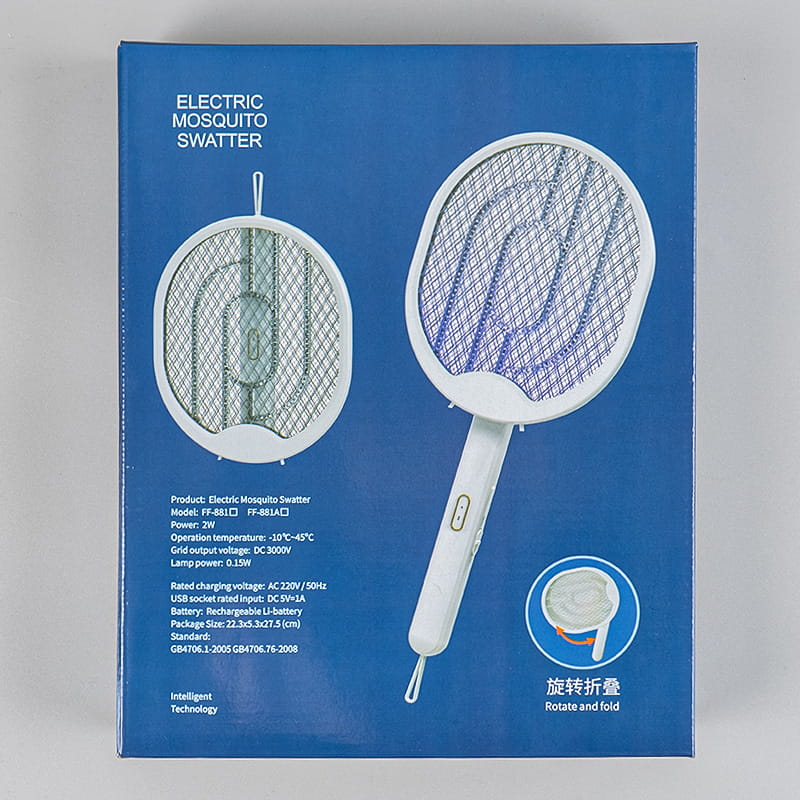 FF-881 Foldable USB-Rechargeable Swatter with Display ScreenThis foldable swatter with a battery-level display is ideal for apartments and travelers. Its rechargeable battery and protective net offer safe, convenient mosquito control at home or on the go.View Product →
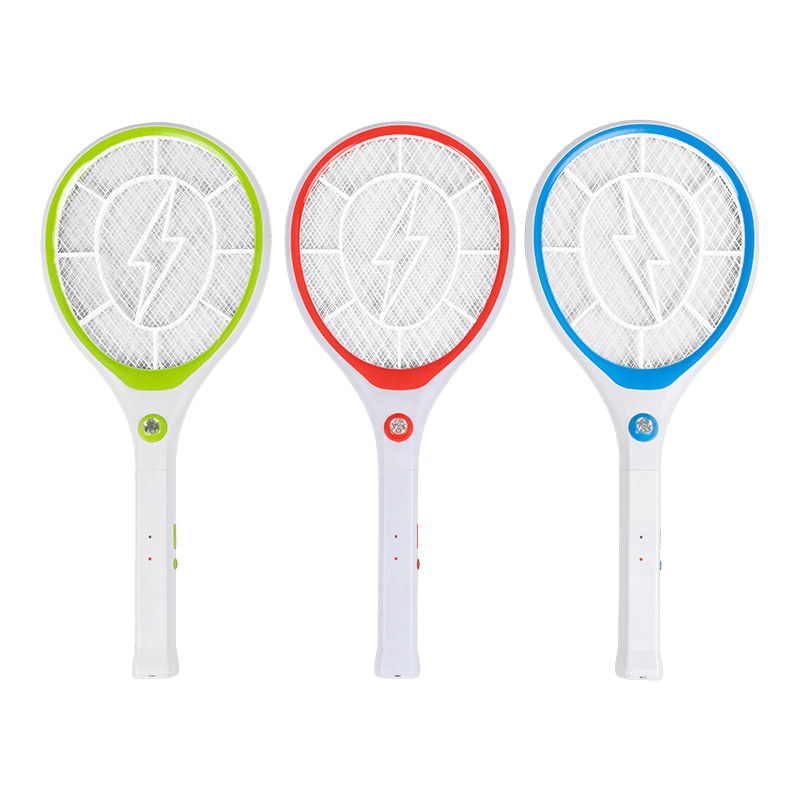 FF-787A 3-Color LED Solar with Plug Lead-Acid Battery 400mAh Electric Mosquito Swatter
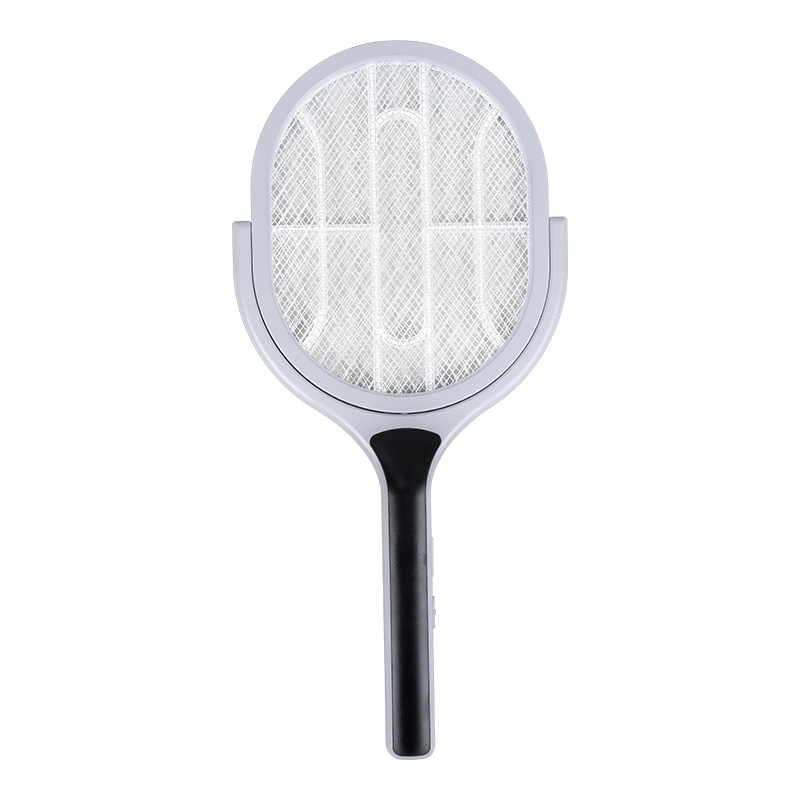 FF-999A 1200mAh Single-Color Embroidery LED Mosquito Swatter Foldable Display USB Rechargeable
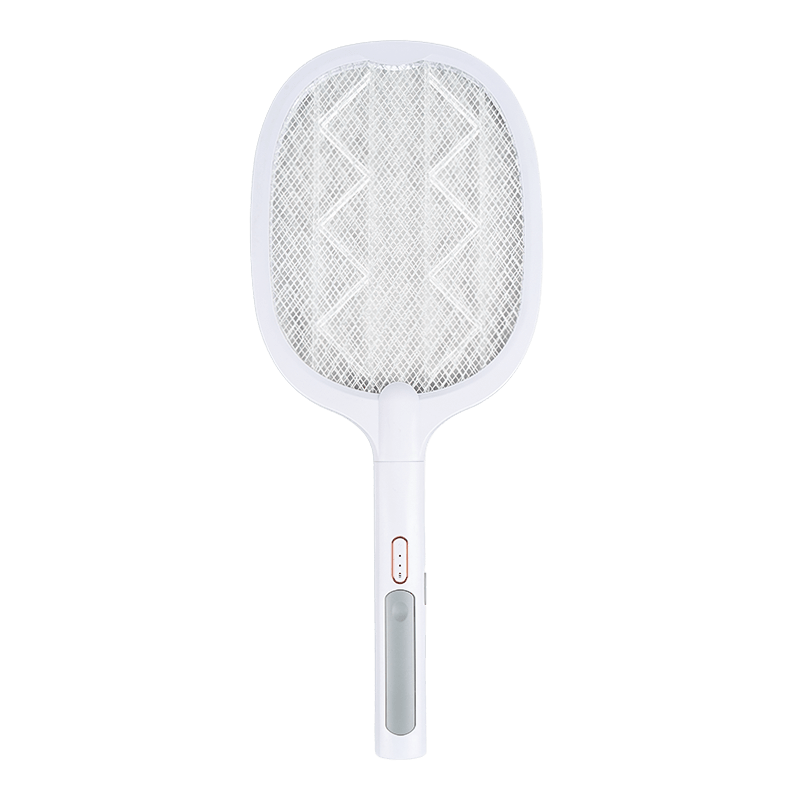 FF-888 1200mAh Wave LED Mosquito Swatter USB Rechargeable
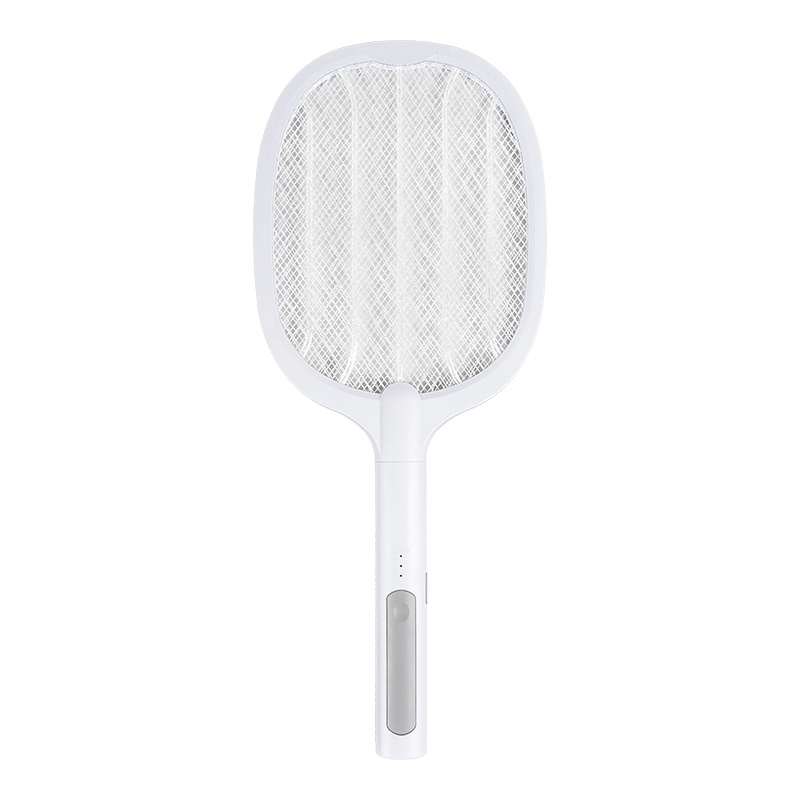 FF-888 1200mAh Five-Level LED Mosquito Swatter USB Rechargeable
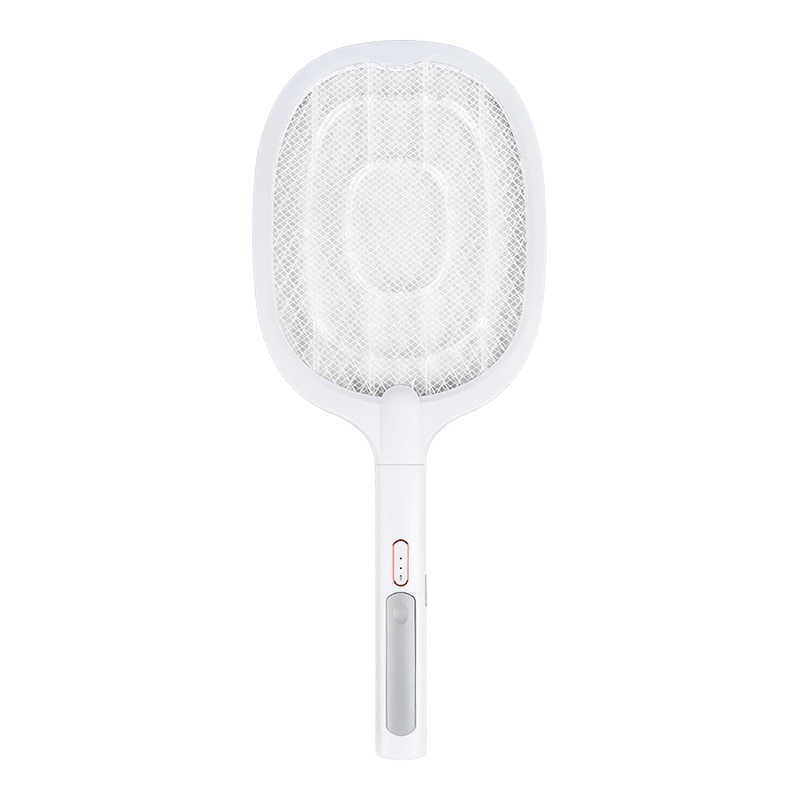 FF-888 1200mAh Round LED Mosquito Swatter USB Rechargeable
 FF-918 500mAh Embroidery LED Mosquito Swatter USB Rechargeable
An electric mosquito swatter is one of the most effective, chemical-free tools for killing mosquitoes and other flying insects on contact. I...
READ MOREElectric Mosquito Swatter: Instant and Efficient Mosquito Control Electric mosquito swatters provide an immediate, chemical-free way to elim...
READ MOREThe fly lands on the kitchen counter, and you reach for the electric swatter. The impulse is to swing immediately, but the correct way to u...
READ MOREShort answer: yes, you can use a bug zapper inside — as long as the unit is built for indoor use and you keep the electrified grid out of r...
READ MORE+86-574-62470728
+86-13736064888
No.1, Fuchuan Hill, Zhishan Village, Yangming Subdistrict, Yuyao City, Zhejiang Province, China

Copyright © Zhejiang Yuyao Fenfa Electric Technology Co., Ltd. All Rights Reserved.
 Custom Electric Handheld Bug Zapper Factory
 Previous