 EN
EN  English
 中文简体
中文简体 Español
 عربى
عربىNews
Home / News / Industry News / Portable Electric Fly Killer: How to Choose the Best One for Your Needs

Content
A warm evening on the patio, a window left open in the kitchen, or a garbage area behind a restaurant: within minutes, flies and mosquitoes find their way in, and every swing with a towel or a magazine either misses or leaves a mess. A portable electric fly killer solves this problem more directly than any other tool you can keep at hand. It is cordless, instant, and leaves no chemical residue on counters or in the air. This article explains how these devices work, which specifications actually matter, and how to choose a model that keeps working after the first season.
Unlike a wall-mounted bug zapper or a chemical spray, a portable electric fly killer is a handheld device that delivers a high-voltage, low-current charge to the insect the moment it touches the inner mesh. The voltage is enough to kill mosquitoes, flies, moths, and even wasps on contact, but the current is low enough that the device does not pose a hazard to humans or pets when used correctly. For a more detailed explanation of the operating principle and best practices, read how an electric mosquito swatter works.
Portability matters more than most first-time buyers realize. Flying insects move between the kitchen counter, the fruit bowl, the garbage bin, and the houseplants. A corded device keeps you near an outlet. A portable unit lets you follow the insect and strike wherever it lands, whether that is on a curtain, under a table, or in a garage with no power at all.
The bottom line is simple: when you see an insect, you swing, and the job is done. No waiting for a spray to settle, no puddle of insecticide on the cutting board, and no dead insects smeared across the wall.
Manufacturers list battery type, capacity, charging method, and mesh design, but not all of these translate equally well into everyday use. Here is what the main options mean in practice.
| Battery type | Typical capacity | Charging method | Best suited for |
|---|---|---|---|
| AAA batteries | Not applicable | Replace batteries | Backup use, remote locations, no charging routine |
| Lead-acid | 250 mAh to 400 mAh | Plug, solar, figure-8 wire | Regular household use near an outlet |
| Lithium | 500 mAh to 1200 mAh | USB cable, base, plug | Frequent use, longer runtime, travel |
Lead-acid models have been the standard for years because they are inexpensive to produce and hold enough charge for a typical household session of a few dozen swats. Their weak points are slower charging and gradual capacity loss after many cycles. Lithium models cost a little more but charge faster, hold more energy per gram, and survive more charge cycles, which makes them the better option for anyone who uses a fly killer several times a day.
A 250 mAh battery suits short, occasional use; it can cover a week of evening mosquito patrols before it needs a recharge. A 400 mAh battery roughly doubles the usable time, and a 1200 mAh lithium battery lasts significantly longer, which matters in a warehouse, on a farm, or anywhere that requires sustained use throughout the day.
Charging method is about convenience as much as it is about speed. A direct plug requires access to a wall outlet. USB charging works with phone chargers, power banks, laptops, and car adapters, so it is the most flexible option for anyone who wants to keep the device in a vehicle or a travel bag. Standby time is another factor. A fly killer that drains its battery while sitting in a drawer is useless when you need it. Lithium models generally hold their charge better during storage, while older lead-acid models may need a top-up after an extended idle period. For a device that is stored rather than used daily, this difference matters more than the rated capacity.
The voltage in an electric fly killer can reach 2000 to 3000 volts, which is what makes it effective. Safe designs manage that voltage with a three-layer mesh: the outer layers are grounded and the inner layer is live, so a finger cannot come into full contact with the live mesh. Check that the mesh is recessed into the frame rather than flush with the edge, and confirm that the handle includes a safety switch that must be held during use. When the switch is released, the circuit disconnects. This simple mechanical safeguard prevents accidents when the device is picked up by a child or knocked over in a drawer.
Build quality is not visible on a spec sheet. Look for a rigid frame that does not flex when you swing, mesh that stays attached at the corners, and a handle that fits comfortably in your hand. These details separate a unit that lasts for years from one that ends up in the bin after two seasons. If you are sourcing for resale, certifications such as CE and ISO 9001 give you a baseline indication that the factory follows consistent quality procedures.
A few additional features improve the experience in specific settings, and they cost little to add at the factory.
Mosquitoes are most active at dusk, when visibility is poor. A built-in LED lets you see the insect before you swing, and it doubles as a flashlight when you are searching for a mosquito that landed in a dark corner. A detachable flashlight goes one step further, so you can shine the light on the insect while keeping the swatter steady in the other hand.
A foldable design makes the device compact enough for a glove compartment, a camping bag, or a crowded kitchen drawer. This is a genuine benefit for travel and outdoor use. The folding joint needs to be solid so the head does not wobble during a fast swing; a loose joint turns a precise strike into a frustrating miss.
A small screen or LED indicator that shows the remaining charge removes the guesswork. For business use, it lets a worker know at a glance that the equipment is ready. For households, it avoids the disappointment of reaching for the device and finding it drained.
For the most portable option, a model that runs on AAA batteries is worth considering. It eliminates charging time altogether and works anywhere batteries are available, which makes it a practical backup for emergencies or for households that cannot maintain a charging routine. The trade-off is the recurring cost of batteries and a slightly lower strike output compared with rechargeable models.
For most homes, a rechargeable model with a lead-acid or lithium battery is the better balance. A capacity of 400 mAh to 1200 mAh covers regular evening use, and USB or base charging adds flexibility for homes where wall outlets are not always accessible. For travel, camping, or use in a vehicle, prioritize a foldable or compact design with USB charging and a lithium battery. These models store easily and recharge from the same power bank that charges your phone. Two examples in this category are the foldable USB rechargeable electric fly killer with display screen, which combines portability with a battery indicator, and the 1200 mAh three-color USB rechargeable model, which offers one of the higher capacities in a compact format.
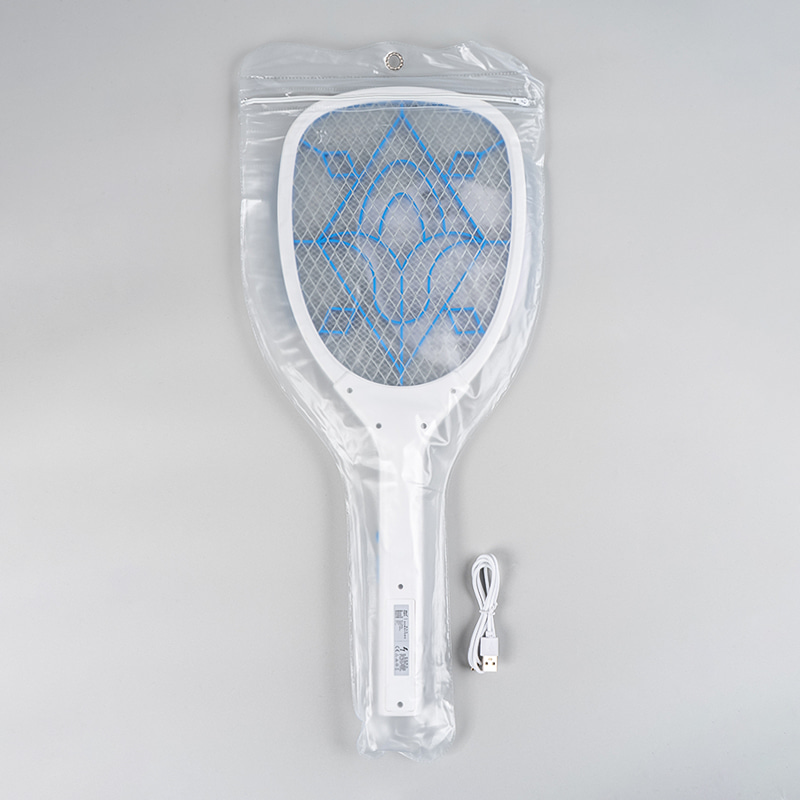 Wholesale FF-785A 1200mAh 3-color electric mosquito swatter with USB cable SupplZhejiang Yuyao Fenfa Electric Technology Co., Ltd. is China wholesale Multifunctional electric mosquito swatter suppliers and factory,Thi...View Product →
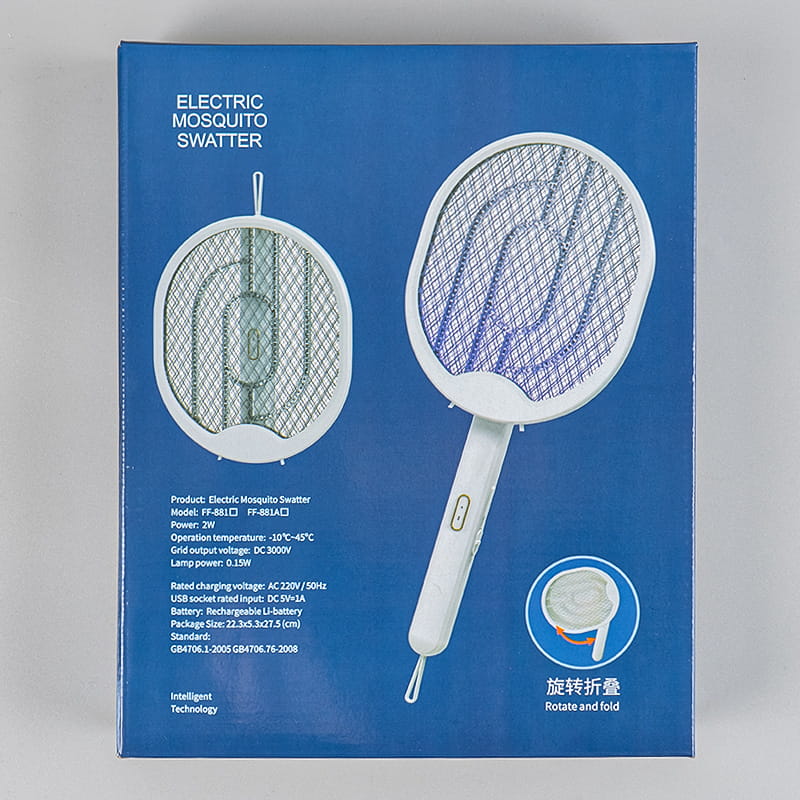 Wholesale FF-881 Foldable USB rechargeable electric mosquito swatter with displaZhejiang Yuyao Fenfa Electric Technology Co., Ltd. is China wholesale Multifunctional electric mosquito swatter suppliers and factory,Fol...View Product →
When purchasing for a retail business, a cleaning operation, or a hospitality group, consistency matters more than any single feature. Ask the supplier about the failure rate, the warranty terms, and whether replacement parts such as inner mesh or charging cables are available. Confirm the plug standard for your target market. Brazilian outlets, for example, use a different plug configuration than European or North American sockets, and not every factory offers that option.
Certifications deserve a closer look as well. A factory that holds ISO 9001 for quality management and CE certification for its products shows that it has a system in place rather than relying on informal checks. Ask to see the certificates, and verify that they cover the specific model you intend to buy rather than the factory in general. For businesses that need a straightforward portable option, an AAA battery powered electric mosquito swatter can be a smart addition to a product range because it removes the charging liability entirely for the end user.
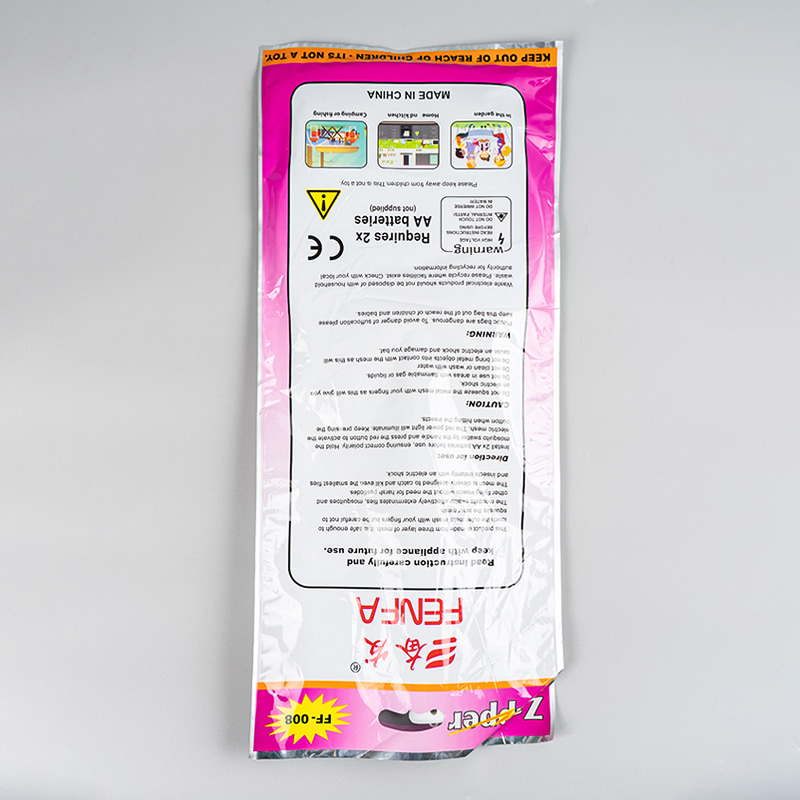 Wholesale FF-008 AAA Battery-powered electric mosquito swatter Suppliers, FactorZhejiang Yuyao Fenfa Electric Technology Co., Ltd. is China wholesale Battery-powered electric mosquito swatter suppliers and factory,Thi...View Product →
The portable electric fly killer has earned its place in homes, kitchens, warehouses, and campsites for one simple reason: it works immediately, it is safe when designed properly, and it puts the user in control of flying insects wherever they appear. Choosing the right one comes down to matching battery type, charging method, capacity, and added features to your routine, not to chasing the highest voltage number on a package. Whether you need one unit for the kitchen or a container for your customers, the checklist above gives you the practical basis for a confident buying decision.
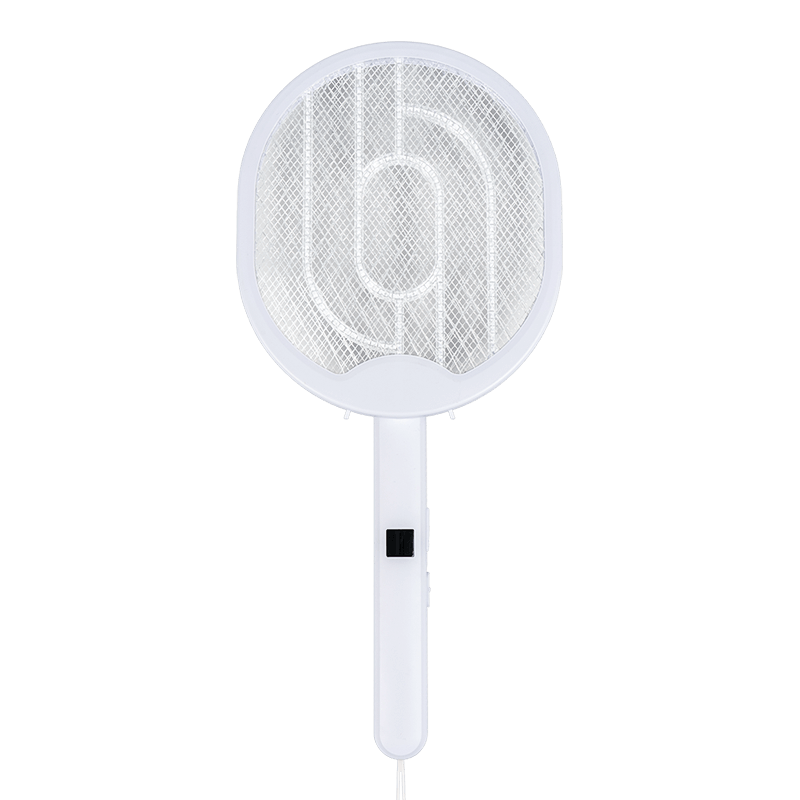 FF-881A Foldable 1-color Embroidery Lamp Electric Mosquito Killer with Display Screen
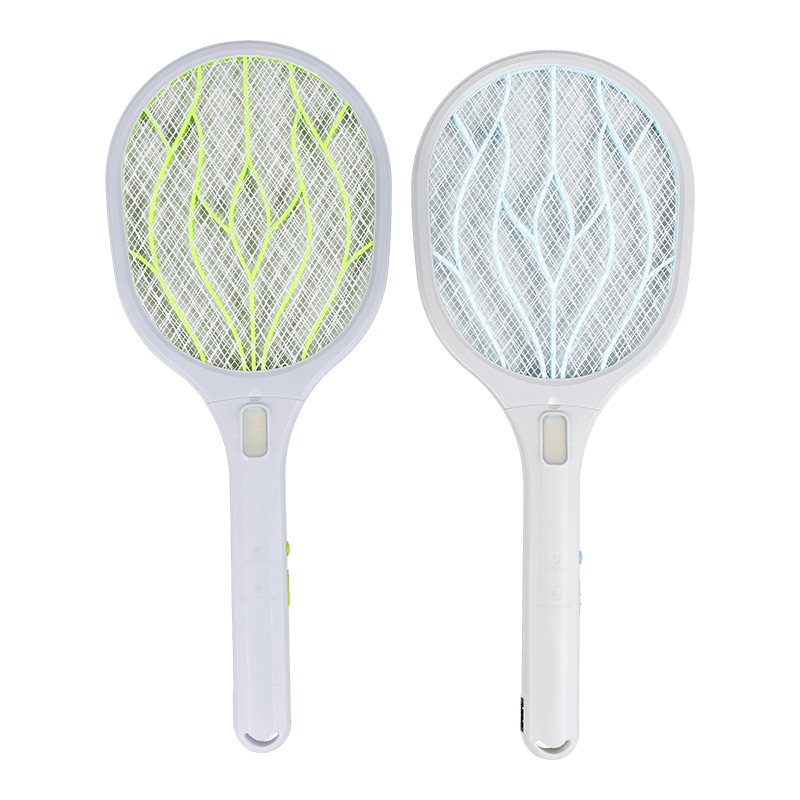 FF-988A 400mAh Portable Electric Mosquito Swatter with Light and Figure-Eight Cord
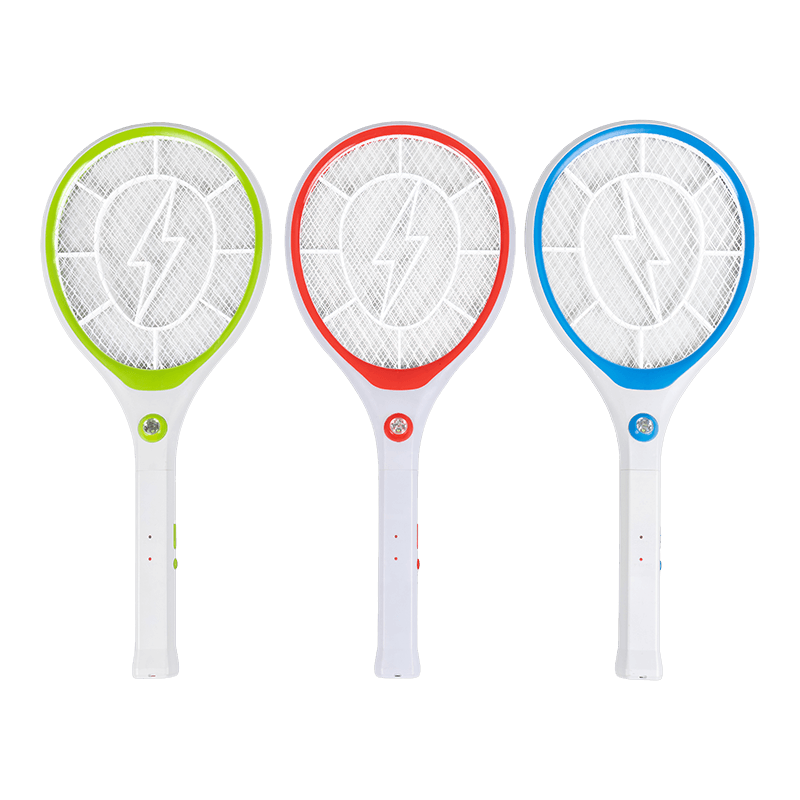 FF-787A 3-Color LED Solar with Plug Lead-Acid Battery 400mAh Electric Mosquito Swatter
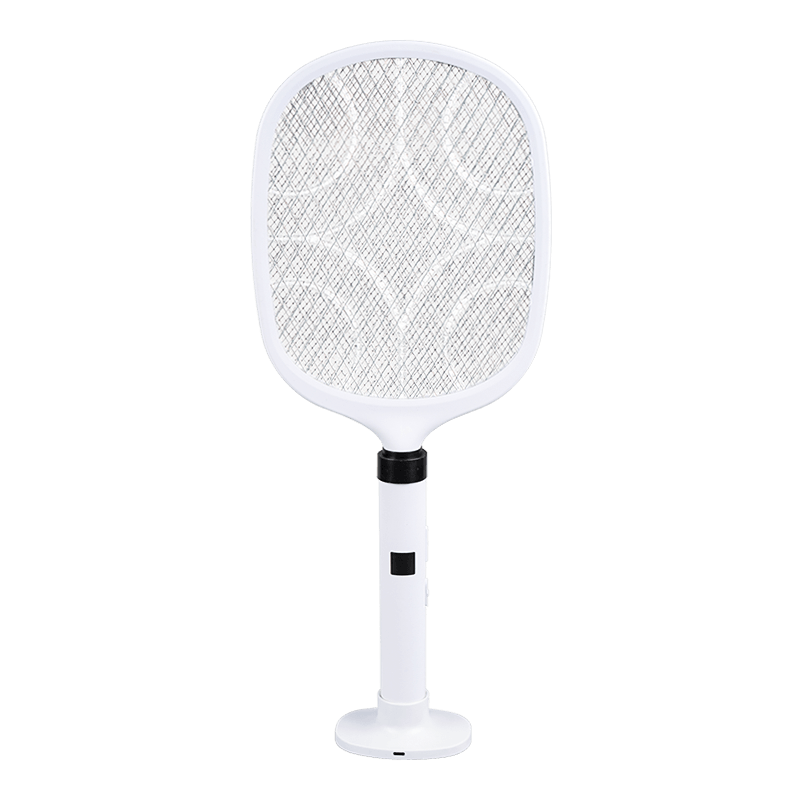 FF-882A 1200mAh Embroidered Pattern Lamp USB Base Electric Mosquito Swatter with Display
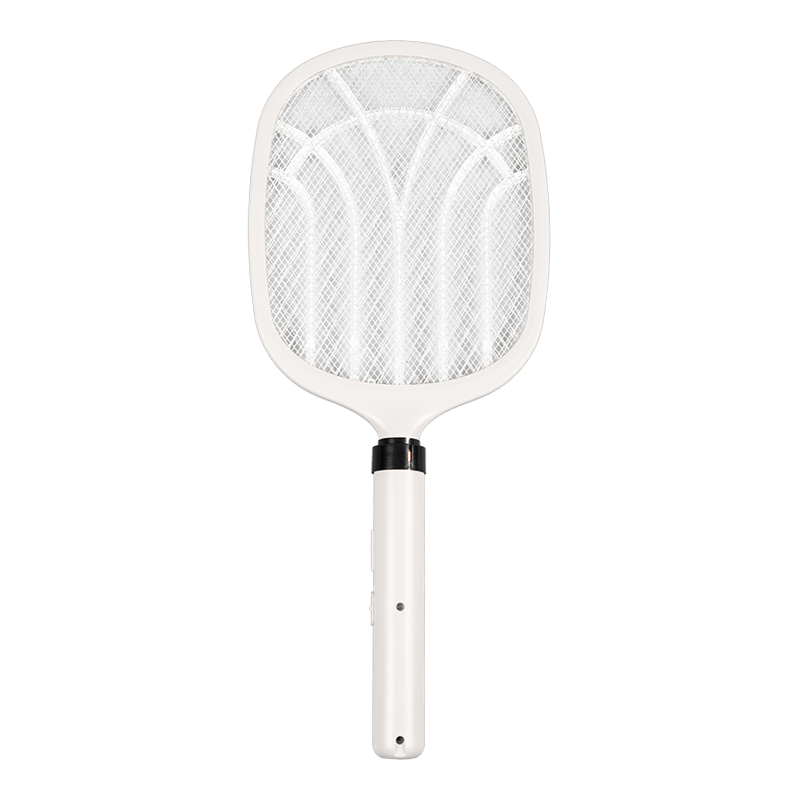 FF-883 1200mAh Embroidered Pattern Lamp USB Base Rechargeable Electric Mosquito Swatter
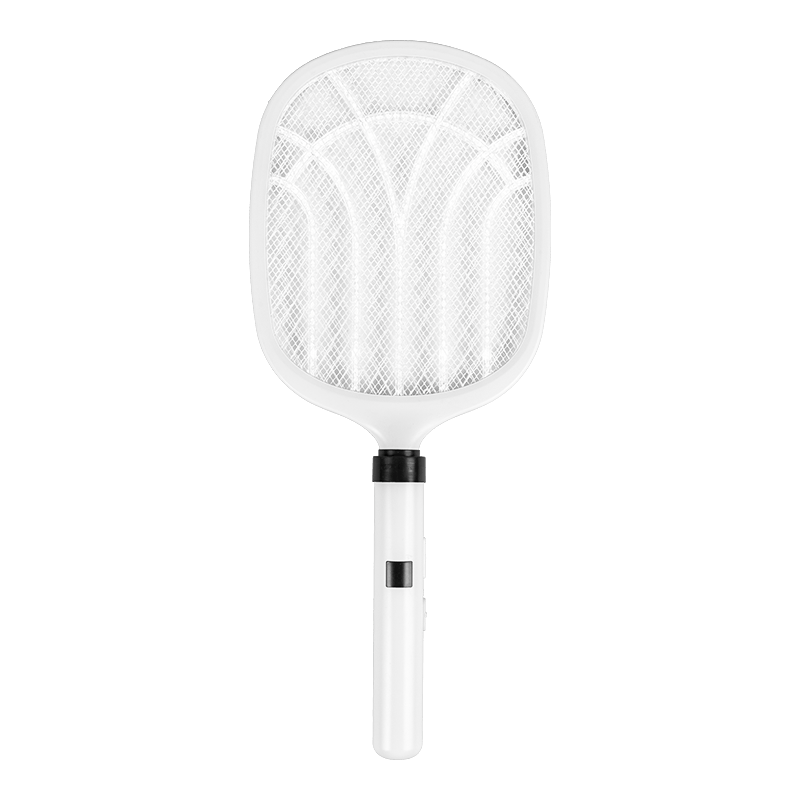 FF-883A 1200mAh Embroidered Pattern Lamp USB Base Lithium Electric Mosquito Swatter
The battery size in an electric fly swatter is not a one-size-fits-all specification. Across current models you will find replaceable AAA c...
READ MOREPortable Fan Heaters Deliver the Fastest Warmth of Any Space Heater Type A portable fan heater warms a room faster than most other space he...
READ MOREThe fly lands on the kitchen counter, and you reach for the electric swatter. The impulse is to swing immediately, but the correct way to u...
READ MOREAn electric mosquito swatter is one of the most effective, chemical-free tools for killing mosquitoes and other flying insects on contact. I...
READ MORE+86-574-62470728
+86-13736064888
No.1, Fuchuan Hill, Zhishan Village, Yangming Subdistrict, Yuyao City, Zhejiang Province, China

Copyright © Zhejiang Yuyao Fenfa Electric Technology Co., Ltd. All Rights Reserved.
 Custom Electric Handheld Bug Zapper Factory
 Previous