 EN
 English
 中文简体
 Español
 عربى
News
Home / News / Industry News / Picaridin Versus DEET: Which Insect Repellent Is the Better Choice for You?

Content
Few questions divide insect-season shoppers quite like picaridin versus DEET. Both are proven repellents with impressive track records, yet they behave very differently on your skin. At Fenfa, we manufacture electric mosquito swatters, so we spend every season studying how people defend against biting insects. The clearest lesson we have learned is that a good repellent matters just as much as a good tool. Here is what you need to know to choose with confidence.
DEET (N,N-diethyl-meta-toluamide) was developed by the U.S. Army in 1946 and became available to civilians in 1957. For more than six decades, it has remained the benchmark against which all other repellents are measured. DEET works by interfering with the receptors that mosquitoes and ticks use to detect the carbon dioxide, heat, and skin chemicals that lead them to a host. It does not kill insects; it simply makes you harder to find.
Effectiveness scales with concentration. A 10 percent formula typically provides one to two hours of protection, while 20 to 30 percent formulas last five to eight hours. Concentrations above 50 percent add little extra protection but do increase the greasy residue and potential for skin irritation, which is why many health agencies now cap their recommendations at 30 to 50 percent.
Picaridin, also known as icaridin, is a synthetic compound developed in the 1980s and modeled after piperine, the alkaloid that gives black pepper its pungency. It has been widely used in Europe and Australia since the 1990s, and the U.S. EPA registered it in 2005. It is a newer name in North America, but it has a long consumer track record in other parts of the world.
Picaridin works by a similar mechanism: it blocks the insects' ability to locate a host through scent cues. What sets it apart is the experience of wearing it. Picaridin absorbs quickly, leaves no sticky film, and has essentially no odor. These characteristics have made it a favorite among hikers, campers, and parents who previously tolerated DEET's drawbacks only because there was no alternative.
The table below summarizes what matters most in everyday use.
| Aspect | Picaridin | DEET |
|---|---|---|
| Mosquito protection | Excellent; 8-12 hours at 20% | Excellent; 8-12 hours at 30% |
| Tick protection | Very good | Excellent; longest field history |
| Biting midges and no-see-ums | Excellent | Fair to good |
| Skin feel | Light, non-greasy | Heavy and greasy at high concentrations |
| Odor | Nearly odorless | Strong chemical smell |
| Effect on plastics and fabrics | Minimal | Can damage some synthetics |
| EPA toxicity category | IV (lowest) | II to III depending on concentration |
| Suitable for children | Yes, over 2 months | Yes, over 2 months |
These differences matter more in practice than the raw numbers. On mosquito-only protection, picaridin and DEET are close enough that most users will not notice a difference. The deciding factors tend to be feel, smell, tick exposure, and the gear you carry.
The CDC and WHO both classify picaridin as an effective alternative to DEET. In comparative field studies, 20 percent picaridin matches or slightly exceeds 25 percent DEET against Aedes and Culex mosquitoes in the first hours, and both remain effective long afterward. The real-world difference is usually measured in minutes, not in an entire evening.
DEET keeps a small lead on ticks. Decades of field trials and public health programs have built a large evidence base for DEET against nymphal and adult ticks. Picaridin also works on ticks, and the WHO recommends it for that purpose, but if you are hiking through tall grass during tick season, most experts still point to DEET as the safer choice.
This is picaridin's territory. Many users report that DEET does little to stop no-see-ums, while picaridin keeps them away. Near marshes, beaches, or lake shores, picaridin often feels like the only repellent that works.
The cosmetic difference is why most people switch. DEET at 30 percent or higher leaves a film that collects dust, feels sticky in humid weather, and has a sharp odor. Picaridin rubs in almost like a light lotion, layers well over sunscreen, and does not attack watch straps, sunglass coatings, or technical fabrics. For families reapplying repellent to children several times a day, that comfort factor is genuine.
Practicality also includes price. DEET is inexpensive and available everywhere. Picaridin products cost a little more per ounce, although the gap has narrowed in recent years. For regular outdoor use, both are affordable enough that cost should not drive the decision.
Both active ingredients are registered by the EPA and recommended by the CDC and WHO. Picaridin carries the lowest possible EPA toxicity rating, placing it in a group with many harmless household substances. DEET is classified as Category II or III depending on formulation, meaning a slightly higher potential for eye and skin irritation, especially at high concentrations. Neither is considered hazardous when applied according to the label.
Fear campaigns have created a misunderstanding that DEET is dangerous. In reality, proper application is safe for adults and children over two months old. The choice between picaridin and DEET today is really about comfort and formulation, not about one being toxic while the other is benign.
Start with what you are actually protecting against.
A simple rule of thumb: for backyard evenings and general summer wear, pick picaridin; for deep woods, tick season, and long treks, pick DEET. Many people rotate, using DEET on trail days and picaridin for everything else, and get the best of both.
Repellents reduce the number of bites you receive, but they do not remove insects from the spaces where you live and sleep. A mosquito that slips in through a door or around a window screen is not going to be repelled away from the room. That is where physical control earns its place.
 FF-002 3-Color LED Lead-Acid Battery Mosquito SwatterThis rechargeable swatter features three-color LED indicators and a 400mAh battery, with IPX4 splash resistance for reliable indoor use in dark corners.View Product →
An electric mosquito swatter gives you instant, chemical-free removal of any insect that makes it inside. It works on mosquitoes, flies, and gnats alike, and it needs no preparation. Our home swatter lineup includes models with LED lights and detachable flashlights, so you can track down insects in dark corners as easily as in daylight. If you want to understand how these devices deliver their distinctive zap, read our guide on how electric mosquito swatters work, their best uses, and what to look for when buying one.
The most effective strategy combines both sides: repellent on your skin and fast removal indoors. In our years of making electric mosquito swatters, households that pair a repellent with a swattering habit report far fewer bites than those relying on one method alone.
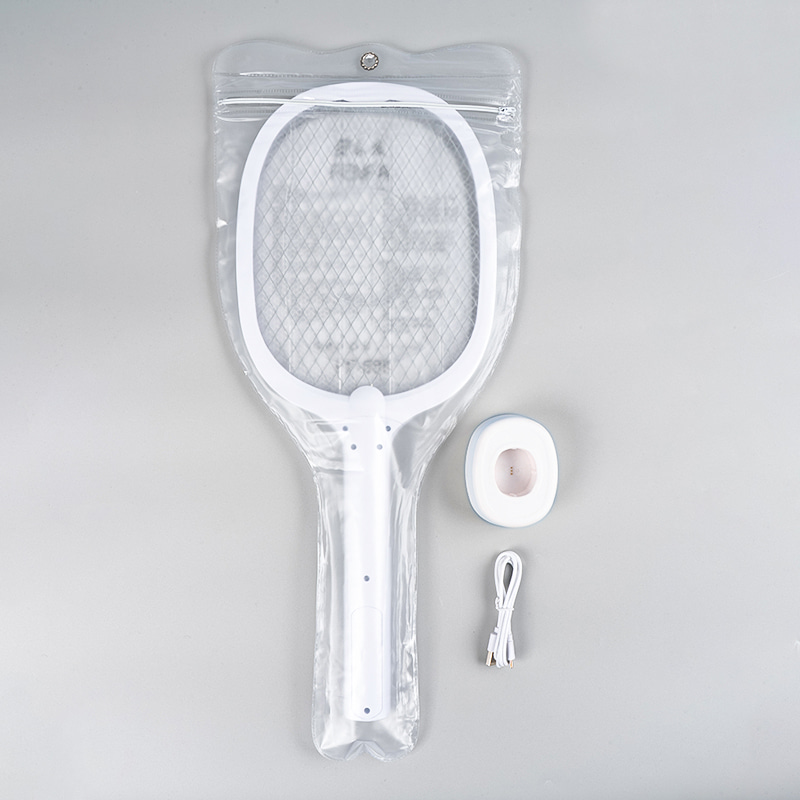 FF-888 1200mAh Five-Level LED USB Rechargeable SwatterA multifunctional USB-rechargeable swatter with violet LED attraction and 360-degree light field, ideal for camping and travel while saving pack space.View Product →
For camping or travel, a USB-rechargeable swatter is a useful companion. Multifunctional models with LED lighting double as a lantern, saving pack space while giving you light and pest control in one tool. Our multifunctional range covers everything from foldable designs to models with display screens and five-level LED lighting. You can browse our full electric mosquito swatter collection to see the options we build for homes, campsites, and export partners.
There is no universal winner in the picaridin versus DEET debate. Choose DEET when you want a proven classic and tick protection matters most. Choose picaridin when comfort, odor, and gear compatibility rank higher on your priority list. Then add a reliable physical tool to close the gaps that no repellent can cover.
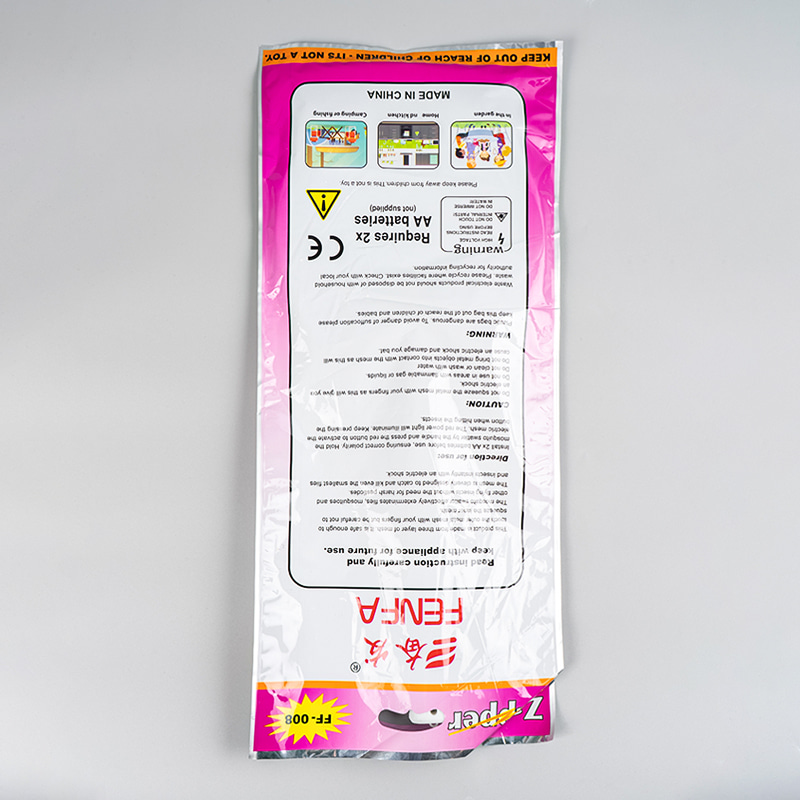 FF-008 AAA Battery-Powered Electric Mosquito SwatterA cordless, lightweight swatter powered by AAA batteries, perfect for keeping in a kitchen drawer for quick, chemical-free insect removal anytime.View Product →
A battery-powered swatter kept in a kitchen drawer is one of those small upgrades you appreciate from the very first mosquito of the season.
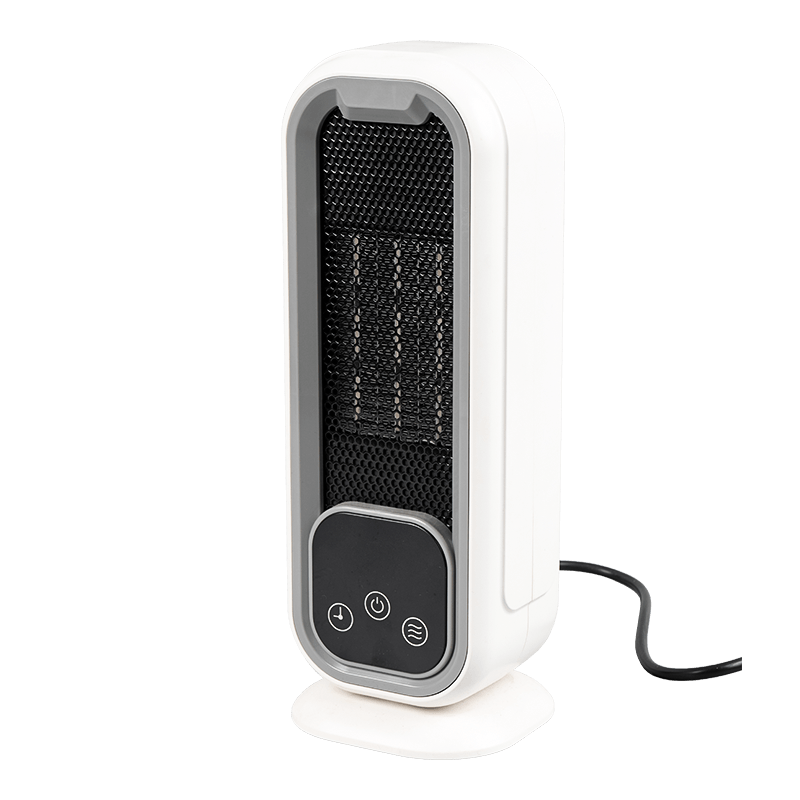 FF-666 Portable Fan Heaters with Display Screen
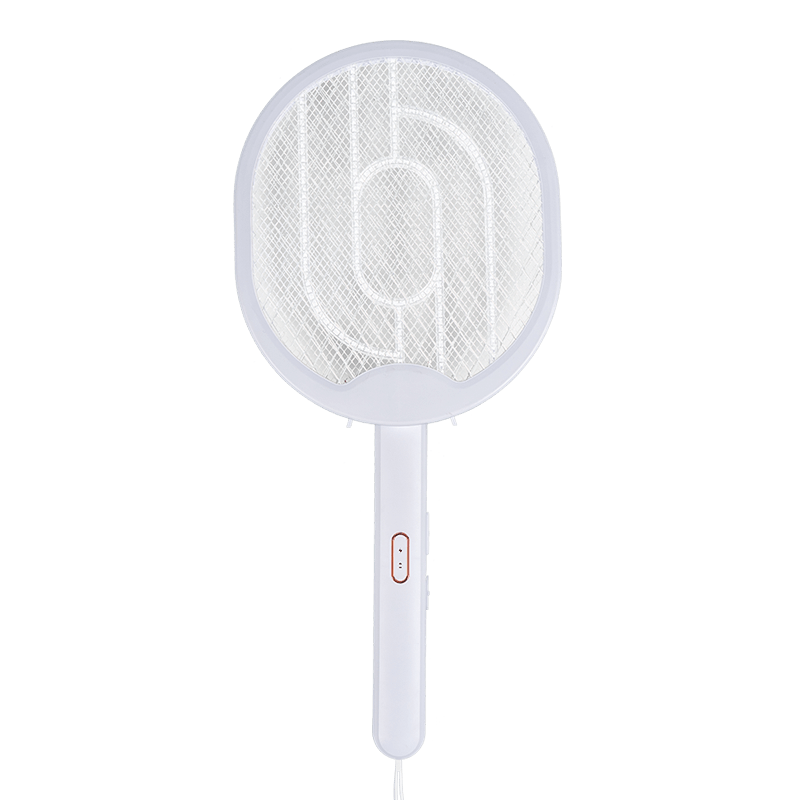 FF-881 Foldable USB rechargeable electric mosquito swatter with display screen
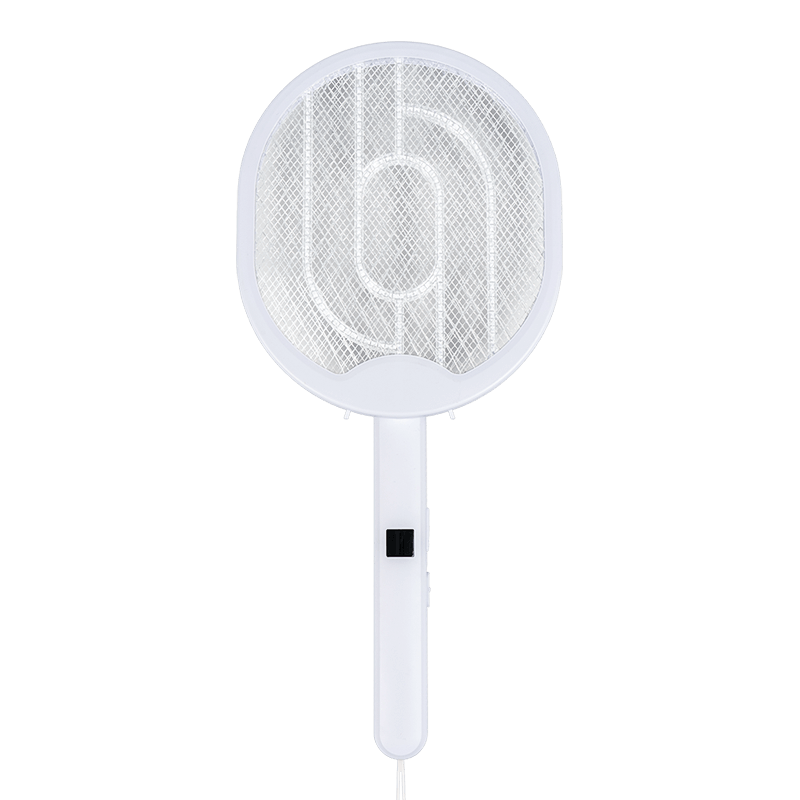 FF-881A Foldable 1-color Embroidery Lamp Electric Mosquito Killer with Display Screen
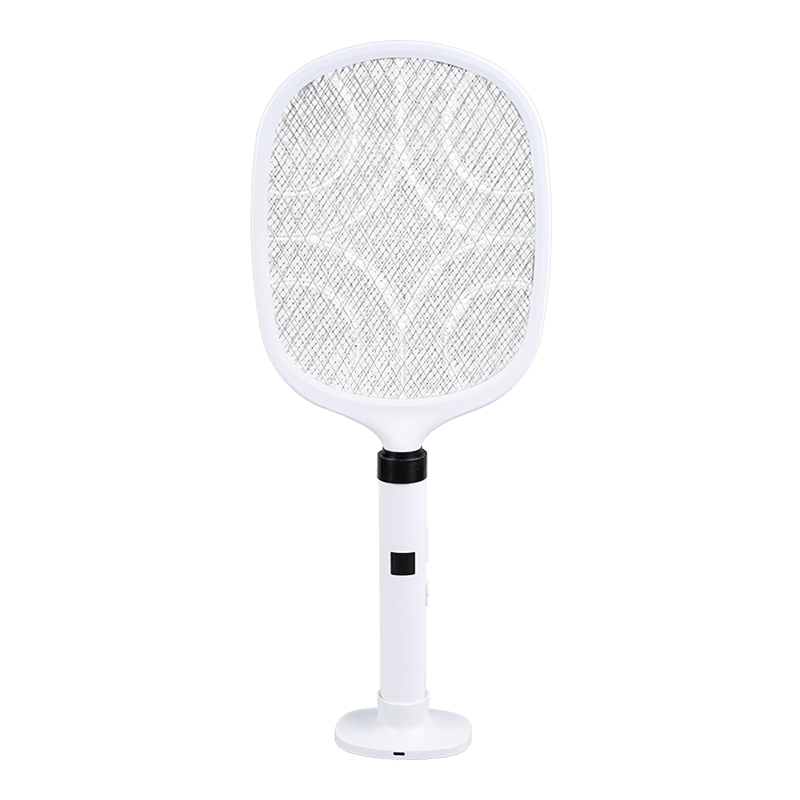 FF-882A 1200mAh Embroidered Pattern Lamp USB Base Electric Mosquito Swatter with Display
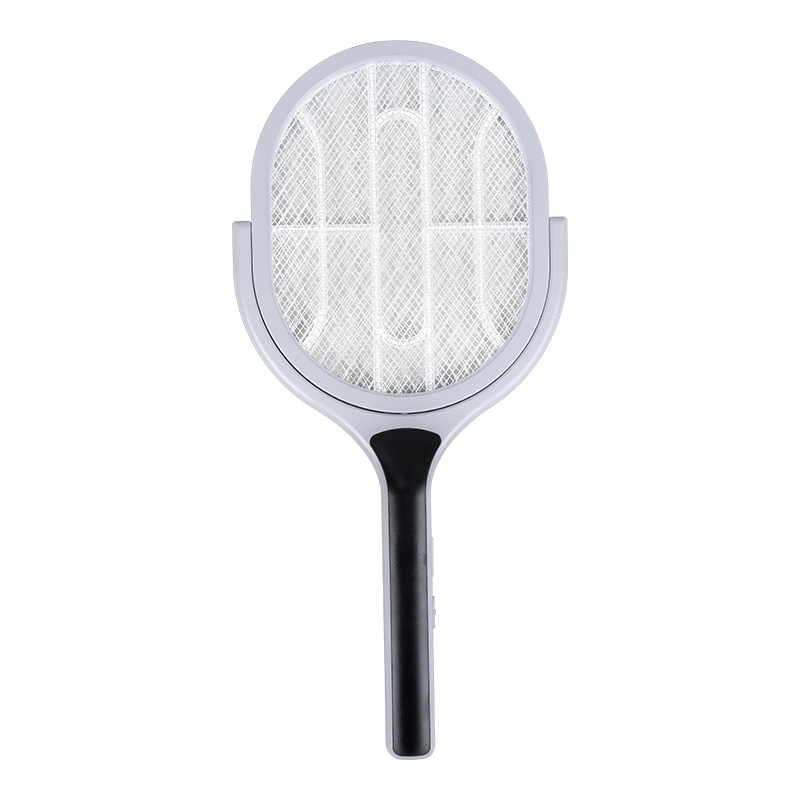 FF-999A 1200mAh Single-Color Embroidery LED Mosquito Swatter Foldable Display USB Rechargeable
 FF-808 Disassembly of flashlight with LED light lead-acid battery 400mAh home electric mosquito swatter
Chemical-free mosquito control encompasses the full range of physical, biological, environmental, and technological strategies used to redu...
READ MOREMosquitoes remain one of the most persistent nuisances in both indoor and outdoor living spaces, and for decades households have relied on...
READ MOREMosquitoes are more than a seasonal nuisance. They are carriers of serious diseases such as dengue, malaria, and West Nile virus, which mak...
READ MOREA warm evening on the patio, a window left open in the kitchen, or a garbage area behind a restaurant: within minutes, flies and mosquitoes...
READ MORE+86-574-62470728
+86-13736064888
No.1, Fuchuan Hill, Zhishan Village, Yangming Subdistrict, Yuyao City, Zhejiang Province, China

Copyright © Zhejiang Yuyao Fenfa Electric Technology Co., Ltd. All Rights Reserved.
 Custom Electric Handheld Bug Zapper Factory
 Previous