 EN
EN  English
 中文简体
中文简体 Español
 عربى
عربىNews
Content
- 1 How an Electric Mosquito Swatter Works
- 2 Effectiveness: What the Numbers Say
- 3 Types of Electric Mosquito Swatters
- 4 Key Features to Look for When Buying
- 5 Electric Mosquito Swatter vs. Bug Zapper: Which Is Better?
- 6 Safety Guidelines You Should Follow
- 7 Best Use Scenarios
- 8 How Long Do Electric Mosquito Swatters Last?
- 9 Environmental and Health Benefits Compared to Chemical Methods
- 10 Top Tips for Getting the Most Out of Your Swatter
- 11 Frequently Asked Questions
- 11.1 Is an electric mosquito swatter safe to use indoors?
- 11.2 Can an electric mosquito swatter kill you?
- 11.3 How do I clean my electric mosquito swatter?
- 11.4 Why isn't my electric swatter killing mosquitoes?
- 11.5 Are electric mosquito swatters safe around babies and toddlers?
- 11.6 Can I use an electric mosquito swatter on bees or wasps?
- 11.7 How long does a rechargeable electric swatter battery last per charge?
- 12 References
An electric mosquito swatter is one of the most effective, chemical-free tools for killing mosquitoes and other flying insects on contact. It works by delivering a high-voltage electric shock — typically between 500V and 3,000V — through a metal mesh grid when an insect touches it. Unlike sprays or plug-in devices, it gives you direct, immediate control over pests without exposing your family to chemicals. This article covers everything you need to know: how it works, how well it performs, safety considerations, and how to pick the right one.
How an Electric Mosquito Swatter Works
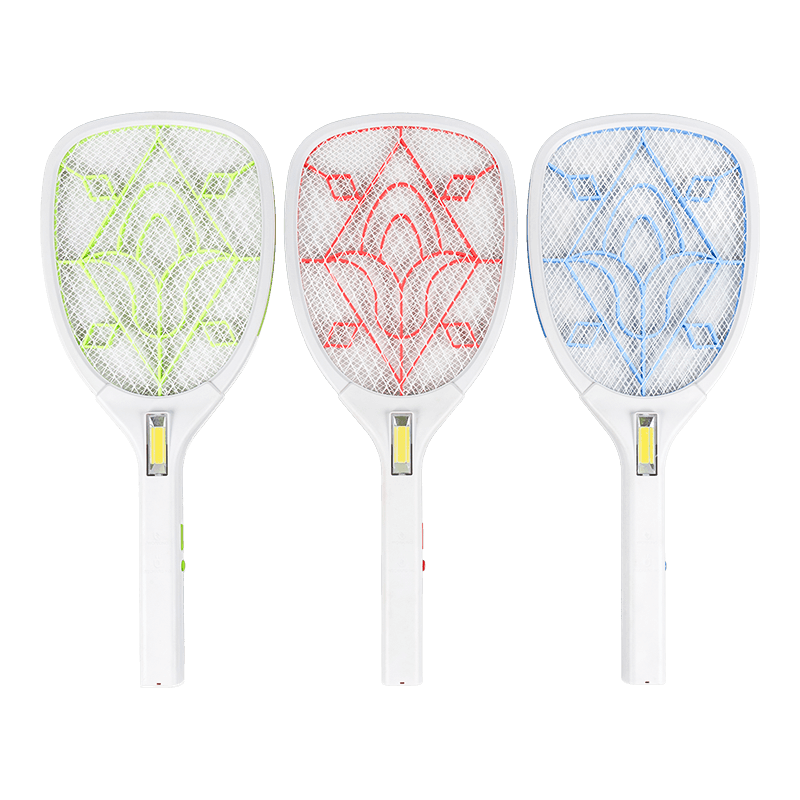
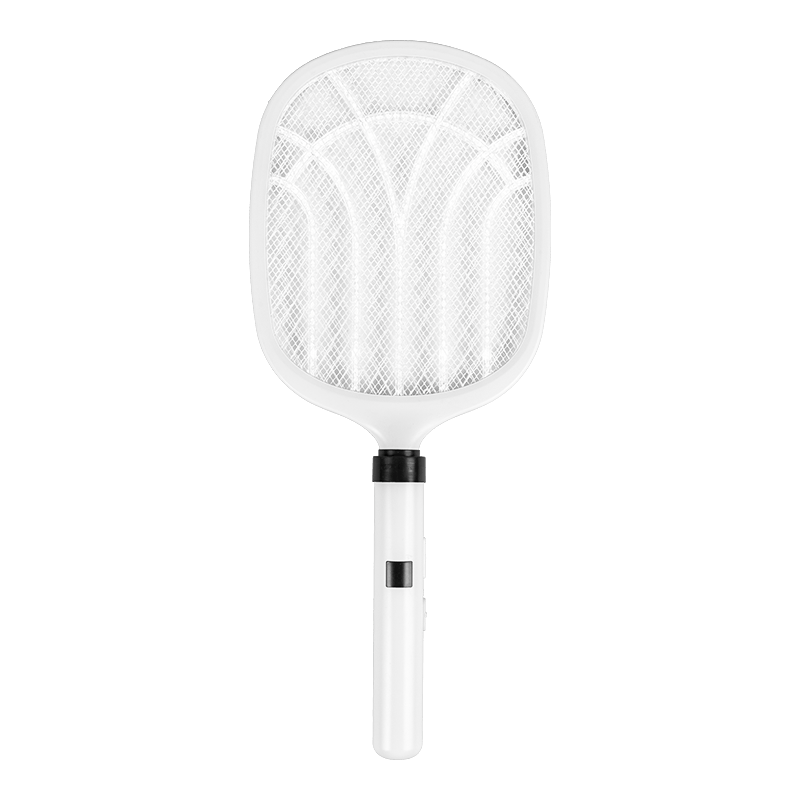
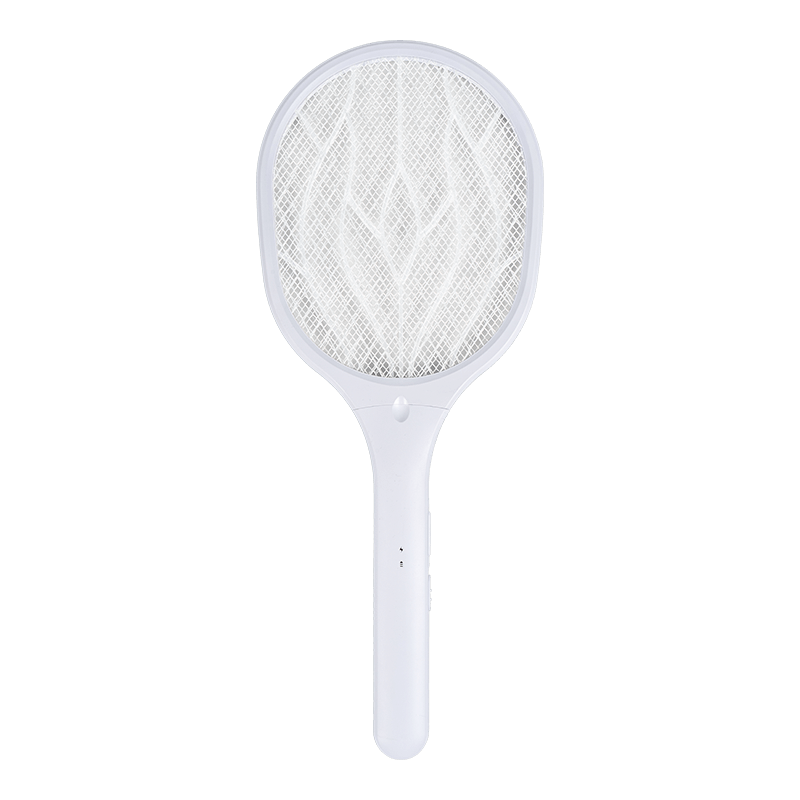
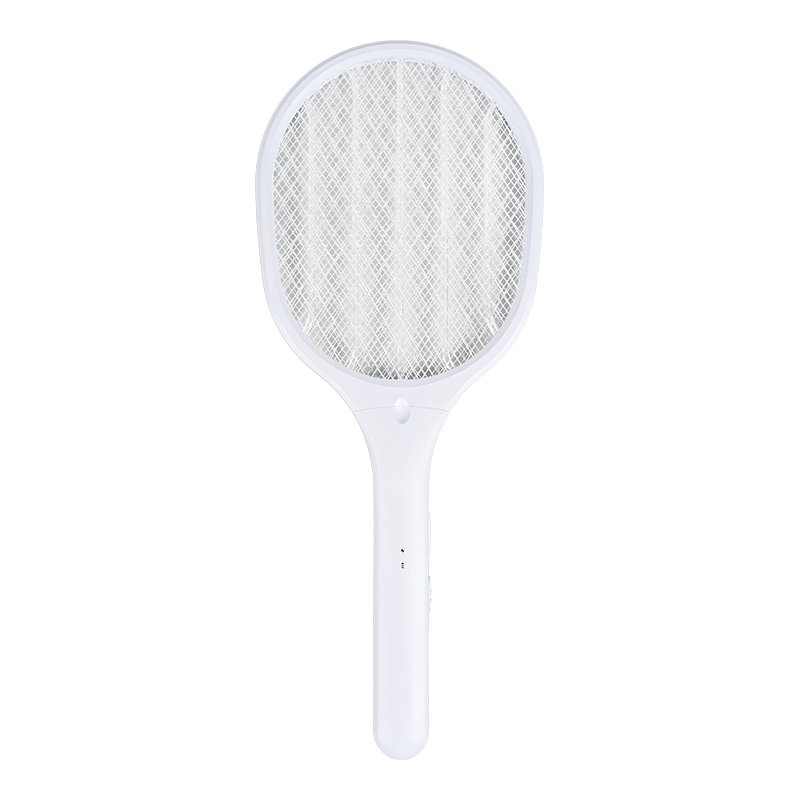
The device looks like a badminton racket and uses a simple but powerful mechanism. When you press the activation button, the internal circuit — powered by AA batteries or a built-in rechargeable lithium battery — charges the metal mesh grid to a high voltage. The moment a mosquito, fly, or gnat makes contact with the grid, it completes the electrical circuit and receives a lethal shock, killing it instantly.
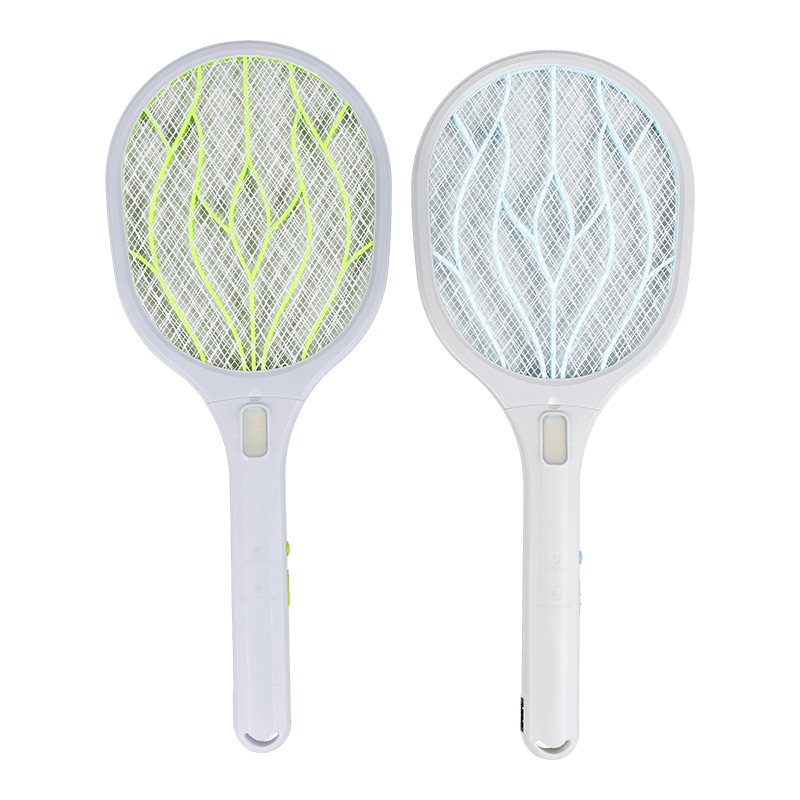
Most models feature a three-layer mesh design: two outer protective layers with wider spacing sandwich a middle high-voltage layer. This prevents accidental contact with fingers while still allowing insects to pass through to the lethal inner grid. The visible flash and audible snap confirm a successful kill. The internal boost converter circuit steps up the battery voltage — usually 1.5V to 3.7V — to hundreds or thousands of volts through a flyback transformer or oscillator circuit, making the device surprisingly powerful despite running on small batteries.
The electric current delivered is extremely brief — measured in microseconds — which is why it kills insects but causes only a mild sting to adult humans who accidentally brush the outer mesh. The combination of high voltage and extremely low current (typically under 0.5 milliamps on contact with a human) means the device is designed to be lethal to small insects but non-lethal to people under normal use conditions.
Effectiveness: What the Numbers Say
Electric swatters consistently outperform many passive methods in direct-kill scenarios. Here is a comparison of common mosquito control methods:
| Method | Kill Speed | Chemical-Free | Reusable | Coverage Area | Avg. Cost (USD) |
|---|---|---|---|---|---|
| Electric Swatter | Instant | Yes | Yes | Close range | $8–$25 |
| Bug Zapper | Instant | Yes | Yes | Up to 1.5 acres | $20–$80 |
| Insecticide Spray | 2–5 minutes | No | No | Room-wide | $5–$15/can |
| Mosquito Coil | Slow (repels) | No | No | Limited outdoor | $3–$8/pack |
| Manual Swatter | Instant (if accurate) | Yes | Yes | Close range | $2–$6 |
| Plug-in Repeller | Slow (repels) | No | Refills needed | Single room | $10–$20 + refills |
In indoor settings with one or a few mosquitoes, an electric swatter eliminates the target in under one second with no residue, smell, or waiting period. For households that want to avoid chemical exposure entirely — such as those with infants, elderly members, or pets — the electric swatter is often the most practical daily-use solution. Consumer satisfaction surveys consistently rank electric swatters among the top-rated insect control tools for indoor spot-treatment use, with users citing ease of use and immediate results as primary advantages.
Types of Electric Mosquito Swatters
The market has evolved beyond the basic racket design. Understanding the different types helps you match the right product to your specific pest control needs.
Standard Handheld Racket
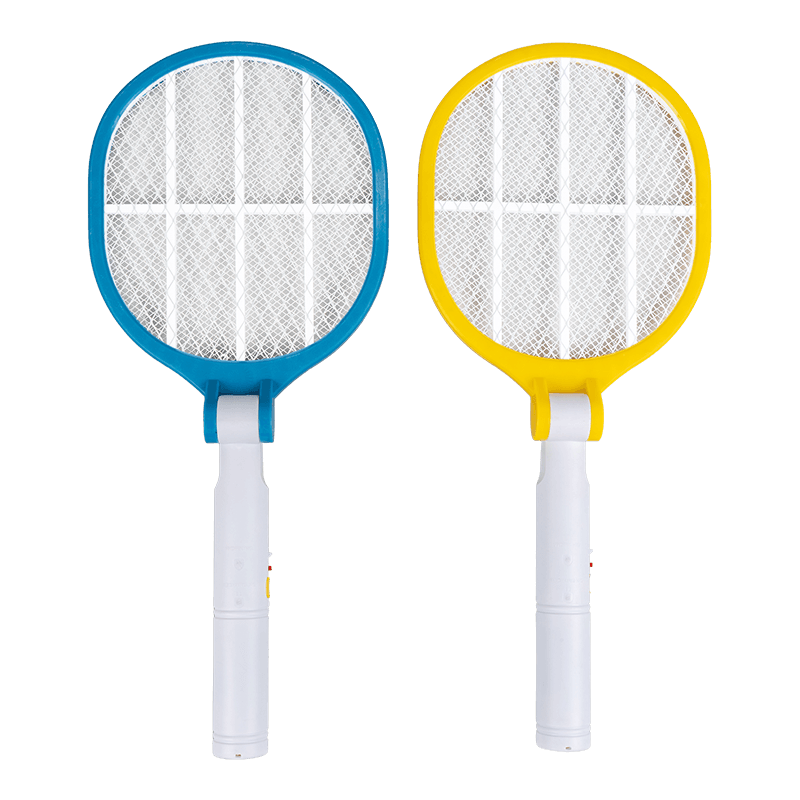
The most common type. Shaped like a badminton racket, it requires manual swinging to intercept insects. Available in sizes ranging from compact 15cm head models to larger 22cm professional-grade heads. Larger mesh areas improve your chances of contact per swing, but make the device heavier and harder to maneuver in tight spaces. Most weigh between 100g and 250g, making them comfortable to use for extended periods.
Hybrid UV Trap + Swatter
These dual-function models include a built-in UV LED light that attracts phototropic insects (those drawn to light). When hung up or placed on a surface, the UV light lures mosquitoes and gnats toward the charged grid, functioning passively as a trap. When held in hand, it works as a standard swatter. UV wavelengths of 365nm to 395nm are most effective at attracting mosquitoes and common household flies. This type is especially useful in bedrooms overnight or in outdoor dining areas at dusk.
Foldable and Travel Swatters
Designed for portability, these models fold down to roughly the size of a large pen or small flashlight. They are particularly popular among campers, hikers, and frequent travelers. Battery life is typically shorter due to smaller internal batteries, but their weight — often under 80g — makes them easy to pack in a backpack or carry-on bag.
High-Voltage Professional Models
Marketed toward pest control professionals or users in high-insect environments (farms, warehouses, tropical regions), these models operate at 2,500V to 4,000V and feature reinforced frames and wider mesh spacing to handle larger insects such as wasps, hornets, and large flies. They are significantly heavier (300g–500g).
Key Features to Look for When Buying
Not all electric mosquito swatters are built the same. Knowing which specifications matter most helps you avoid wasting money on an underpowered or poorly constructed model.
Voltage Output
Entry-level models operate at around 500V to 1,000V, which is sufficient for mosquitoes and gnats. Mid-range and premium models range from 1,500V to 3,000V, enabling them to handle larger insects like horseflies or wasps. For general home use, 1,000V to 1,500V is the sweet spot — powerful enough to reliably kill any common household flying insect without the added weight and cost of professional-grade models.
Power Source
There are two main types:
- Battery-operated (AA/AAA): Lightweight and easy to replace, but ongoing battery costs add up over time. Best for occasional or travel use where charging access is limited.
- USB rechargeable (built-in lithium battery): More economical long-term. Typically charges fully in 2–3 hours via micro-USB or USB-C and provides 100–150 activations per charge. Best for regular or frequent daily users.
Mesh and Frame Quality
Stainless steel mesh lasts significantly longer and resists corrosion better than aluminum mesh. A sturdy ABS plastic frame handles accidental drops without cracking. Always look for a triple-layer safety mesh — this is non-negotiable for households with children or pets. Avoid single-mesh models, which offer no protective barrier between the high-voltage layer and a curious finger.
Additional Features Worth Considering
- UV light attract mode: Lures phototropic insects toward the swatter passively when placed or hung.
- Safety lock switch: Prevents accidental activation when stored in bags, drawers, or near children.
- Hanging hook or freestanding base: Allows the device to function as a passive overnight trap.
- Removable debris tray: Catches dead insects beneath the grid, making cleanup significantly easier and preventing debris from falling on surfaces.
- LED indicator light: Shows charge level and confirms the device is powered on and ready.
- Ergonomic grip: Non-slip handles reduce hand fatigue during extended use sessions, especially important for elderly users.
Electric Mosquito Swatter vs. Bug Zapper: Which Is Better?
Both devices use electric shock to kill insects, but they serve different purposes and environments. Choosing the wrong one for your situation leads to frustration and wasted money.
A bug zapper is a passive device — it sits in one spot, emits UV light to attract insects, and kills them when they land on the electrified grid. It works continuously without any user involvement, making it ideal for patios, garages, and large outdoor areas. High-quality zappers can cover up to 1.5 acres and kill thousands of insects overnight. However, research from the University of Delaware found that less than 1% of insects killed by bug zappers are mosquitoes — the vast majority are harmless or beneficial insects such as moths and beetles.
An electric mosquito swatter, by contrast, is an active targeting device. You control exactly which insect you kill, which means zero bycatch — no beneficial insects are harmed. It is far more precise and suitable for indoor use where you want to eliminate specific intruders without running a device overnight. The tradeoff is that it requires manual effort and cannot cover a large area passively.
Best approach: Use a bug zapper outdoors for area-wide passive control, and keep an electric swatter indoors for targeted, on-demand pest elimination. The two tools complement each other well.
Safety Guidelines You Should Follow
While electric mosquito swatters are generally safe for adults, misuse can cause harm. Follow these practical rules every time you use the device:
- Never activate near flammable gases or liquids — the electric arc can ignite aerosols, alcohol, or solvents. Never use near a gas stove or in a room where aerosol sprays have recently been used.
- Keep away from children under 8 — even with a safety mesh, the current can cause a painful and startling shock if fingers are pressed firmly into the outer protective layers.
- Do not use in wet environments — water conducts electricity. Keep the swatter dry and avoid using it near pools, open sinks, or in rain.
- Store with the safety lock engaged — this prevents accidental discharge when stored in bags, backpacks, or junk drawers where the activation button could be pressed unintentionally.
- Clean the mesh regularly — dead insects and charred debris on the mesh reduce voltage efficiency and, in rare cases, can create a fire hazard. Use a dry brush to clean; never use water or damp cloths on the grid.
- Do not touch the inner mesh while activated — even if the shock is not life-threatening for a healthy adult, it is painful and can cause involuntary muscle spasm, potentially leading to a fall or dropped device.
- Individuals with pacemakers should avoid using high-voltage models — consult a physician before use if you have any implanted cardiac device.
Best Use Scenarios
Electric mosquito swatters perform best in specific situations. Understanding where they excel — and where they fall short — helps set realistic expectations and avoid disappointment.
- Bedrooms at night: Ideal for hunting down the single mosquito that keeps you awake. Quick, relatively quiet, and leaves no chemical residue near your sleeping area.
- Camping and outdoor use: Battery-powered models require no outlet and are lightweight enough for a backpack. Effective against gnats, flies, and mosquitoes around a campsite or picnic area.
- Kitchens and dining areas: A completely chemical-free solution for dealing with flies around food without contaminating surfaces, cookware, or ingredients.
- Households with pets: A safe alternative to plug-in repellents and aerosol sprays that can be harmful or toxic to dogs, cats, and birds.
- Newborn or infant rooms: Eliminates insects without introducing any chemical or aromatic compounds into a sensitive environment.
- Offices and workspaces: Quiet enough for office environments, and far less disruptive than aerosol sprays that linger in shared air.
They are less effective for large-scale infestations, wide outdoor areas, or situations where insects are too numerous to manage individually. In those cases, complement the swatter with perimeter treatments, standing zappers, or professional pest control services.
How Long Do Electric Mosquito Swatters Last?
With reasonable care, a quality electric mosquito swatter lasts 2 to 5 years. The mesh grid is the most vulnerable component — it can warp or short-circuit if the device is dropped hard, stored improperly, or cleaned with water. Rechargeable battery capacity typically degrades after approximately 500 full charge cycles, which at daily use equates to roughly 1.5 years before noticeable capacity reduction.
Budget models priced under $5 commonly fail within a single pest season — mesh layers peel apart, handles crack, or circuits burn out after heavy use. Mid-range models priced between $10 and $25 consistently demonstrate significantly better longevity in consumer durability tests. Premium models above $30 often include replaceable batteries and modular mesh frames that extend the functional lifespan well beyond three years.
Signs that your swatter needs replacement include: reduced spark intensity, mesh that no longer glows visibly on contact with insects, a frame that flexes noticeably when swung, or a battery that no longer holds charge for more than 20–30 activations.
Environmental and Health Benefits Compared to Chemical Methods
One of the most overlooked advantages of the electric mosquito swatter is its environmental profile. Chemical insecticides — including DEET-based sprays, pyrethroid plug-ins, and permethrin coils — leave residues in the air, on surfaces, and in the food chain. The WHO has classified several common insecticide compounds as potentially harmful to the nervous system with chronic exposure, particularly for children under 5 and pregnant women.
Electric swatters produce zero chemical byproducts. The only byproduct of killing an insect electrically is a tiny amount of heat and, in some models, a faint odor from the briefly combusted insect body — which dissipates in seconds. Over a 3-year lifespan, a single rechargeable electric swatter eliminates the need for an estimated 12 to 20 aerosol spray cans (based on average household use), reducing both chemical exposure and plastic waste.
From an energy consumption standpoint, a standard USB rechargeable swatter consumes approximately 0.005 kWh per full charge cycle — an almost negligible environmental footprint compared to plug-in electric repellers that draw continuous power 24 hours a day.
Top Tips for Getting the Most Out of Your Swatter
- Dim the room lights before hunting — mosquitoes are easier to spot against walls, ceilings, or windows when ambient light is low.
- Swing slowly and deliberately — a slow, controlled sweep ensures the insect has time to make full contact with the mesh rather than bouncing off a fast-moving surface.
- Hang the UV model at 5 to 7 feet — mosquitoes naturally fly most frequently at this height, maximizing passive trap efficiency overnight.
- Clean the grid every 5–10 uses — use a dry toothbrush to remove charred debris from mesh cells and maintain full voltage efficiency across the entire surface.
- Charge before fully depleted — for lithium-ion battery models, avoiding full discharge extends battery lifespan significantly. Recharge when indicator shows 20–30% capacity remaining.
- Use near standing water sources indoors — mosquitoes breed in stagnant water and tend to hover near humidity sources such as plant trays, pet bowls, or bathroom corners. These are productive hunting areas.
- Combine with window screens — the swatter handles mosquitoes that get through; screens reduce how many enter in the first place. The two-layer approach dramatically reduces indoor mosquito presence.
Frequently Asked Questions
Is an electric mosquito swatter safe to use indoors?
Yes, electric mosquito swatters are safe for indoor use when used correctly. They produce no toxic fumes, no chemical residues, and no open flames. The primary safety precaution is to avoid activating the device near flammable substances such as aerosol sprays, gas stoves, or alcohol-based cleaners. As long as these conditions are avoided, indoor use is entirely safe for adults.
Can an electric mosquito swatter kill you?
No. While the voltage is high (500V–3,000V), the current is extremely low — typically under 0.5 milliamps — and the discharge duration is measured in microseconds. This combination is lethal to small insects but not capable of causing serious injury to a healthy adult under normal use. It may cause a sharp, painful sting if the inner mesh is directly touched, but there is no documented case of a commercially available electric swatter being fatal to a human.
How do I clean my electric mosquito swatter?
Always turn off the device and engage the safety lock before cleaning. Use a dry brush or dry toothbrush to sweep debris from the mesh cells. Never use water, damp cloths, or cleaning sprays on the mesh grid — moisture can cause a short circuit or corrosion that permanently damages the device. The handle and plastic frame can be wiped with a slightly damp cloth, but keep moisture away from all electrical components.
Why isn't my electric swatter killing mosquitoes?
The most common reasons are: depleted battery charge (recharge or replace batteries), clogged mesh (clean with a dry brush to restore conductivity), or a faulty activation button connection. If the visible spark is very faint or absent even after cleaning and charging, the boost converter circuit may have failed and the device should be replaced.
Are electric mosquito swatters safe around babies and toddlers?
Electric swatters are far safer than chemical sprays in rooms where infants sleep or play, as they produce no airborne compounds. However, the device itself should be stored completely out of reach of children under 8. The shock from the inner mesh can startle and hurt a small child who touches it with force. When using the swatter around toddlers, always store it in a locked cabinet or high shelf immediately after use.
Can I use an electric mosquito swatter on bees or wasps?
Standard household models (500V–1,500V) may stun but not reliably kill bees and wasps due to their thicker exoskeletons. Higher-voltage models (2,000V and above) are more effective against these larger insects. However, approaching an agitated bee or wasp colony with any handheld device is strongly discouraged — this creates significant risk of multiple stings. Electric swatters are most appropriate for individual stray wasps, not nests or swarms.
How long does a rechargeable electric swatter battery last per charge?
Most rechargeable models provide 100 to 150 full activations per charge cycle, though this varies by voltage output and battery capacity. In practical use — targeting 3 to 10 mosquitoes per evening — a fully charged swatter typically lasts 2 to 4 weeks before needing to be recharged. Charging via USB typically takes 1.5 to 3 hours depending on the battery capacity of the specific model.
References
- World Health Organization (WHO). Pesticides and Their Effects on Health. WHO Global Malaria Programme, Geneva.
- Frick, T. B., & Tallamy, D. W. (1996). Density and diversity of nontarget insects killed by suburban electric insect traps. Entomological News, 107(2), 77–82. [Referenced in University of Delaware insect trap study on bycatch from UV zappers.]
- U.S. Environmental Protection Agency (EPA). Mosquito Control: What You Need to Know. EPA Insect Repellent Guidance.
- Centers for Disease Control and Prevention (CDC). Mosquitoes and Mosquito-borne Diseases. National Center for Emerging and Zoonotic Infectious Diseases.
- National Institute of Environmental Health Sciences (NIEHS). Pesticides and Human Health. U.S. Department of Health and Human Services.
- Müller, G. C., et al. (2008). Efficacy of the botanically based repellents PMD and citronella against Aedes albopictus — a comparison with DEET. Journal of the American Mosquito Control Association, 24(1), 88–93.
- IEC Standard 60335-2-59: Household and Similar Electrical Appliances — Safety — Particular Requirements for Insect Killers. International Electrotechnical Commission. Geneva, Switzerland.
 Previous