 EN
 English
 中文简体
 Español
 عربى
News
Home / News / Industry News / Electric Fly Swatter Guide: Types, Specs, Safety and OEM Sourcing Tips

Content
Anyone who has chased a mosquito around a bedroom at night knows the appeal of a good racket. A rolled-up newspaper is slow, an aerosol spray leaves a smell behind, and a plug-in zapper tends to glow quietly in the corner while the mosquitoes stay exactly where the people are. A handheld electric mosquito swatter that settles the matter in a single swing solves a small problem very neatly, which is why the product has stayed popular for decades and why it keeps showing up in new shapes every season.
We are Zhejiang Yuyao Fenfa Electric Technology Co., Ltd., a manufacturer based in Yuyao, Ningbo, and we have been building electric mosquito swatters since 2016. Our team of roughly 51 to 100 people works across electric mosquito killers and portable fan heaters, and most of what leaves our floor goes to brand owners, importers, and trading companies rather than straight to shoppers. That means we spend our days discussing the details buyers actually care about: battery chemistry, charging methods, lamp styles, plug standards, and packaging.
What follows is our attempt to put that experience in one place, whether you are a buyer evaluating a new supplier, a brand manager planning a SKU, or simply someone curious about what happens inside the racket.
At first glance the product looks like a toy tennis racket, and that resemblance is not accidental. The head holds a mesh grid, usually two or three layers of metal wire, wired to a small battery stored inside the handle. Pressing the button on the handle charges the grid. When an insect touches the mesh, its body bridges the layers and closes the circuit, and the result is immediate.
The layer count matters more than most people expect. In a three-layer design, the two outer grids are grounded, so a hand brushing the outside of the racket stays comfortable, while the middle layer carries the charge. Two-layer versions are simpler and lighter, but they are less forgiving if someone grabs the wrong side of the head.
It is worth separating the handheld swatter from the standing plug-in zapper that hangs on a wall. The plug-in unit lures insects with ultraviolet light and waits for them. The swatter does the opposite: it goes where you point it, needs no socket, and gives you a result in real time rather than overnight.
The output is high voltage but very low current. That combination is what makes one swing enough for a mosquito while a brief accidental touch usually feels like a sharp surprise and nothing more. We still tell every customer to treat the racket with respect, because respect is what keeps fingers away from the middle layer.
The energy comes from a small battery, and the battery choice shapes everything else about the product. Basic household models typically use lead-acid cells in 250 mAh or 400 mAh capacities, while the more feature-heavy models move to lithium cells with capacities up to 1200 mAh. Bigger capacity means longer working time between charges, and it also means the racket can carry extra functions such as a bright lamp or an information display.
If you would like the mechanics and daily use explained in more depth, we wrote a longer piece on how an electric mosquito swatter works and how to get the best out of one, including when a racket beats a spray and when it does not.
Our catalog organizes rackets into three families, and the differences between them matter far more than the model numbers suggest. The table below is the short version.
| Family | Power source | Typical capacity | Charging | Best suited to |
|---|---|---|---|---|
| Battery powered | AAA dry cells | Replaceable cells | None required | Travel, camping, backup use |
| Home electric | Lead-acid | 250 mAh to 400 mAh | Built-in plug, some with solar | Everyday household use |
| Multifunctional | Lead-acid or lithium | 250 mAh to 1200 mAh | USB, base, figure-eight wire, bottom contact | Gifting, styling, extended runtime |
These are the simplest products we make and, in the right market, the most forgiving. Our FF008 runs on AAA batteries, which means no cable, no adapter, and no waiting for a charge. Replace the cells and keep going. It suits shoppers who travel, camp, or live somewhere that charging habits are simply different.
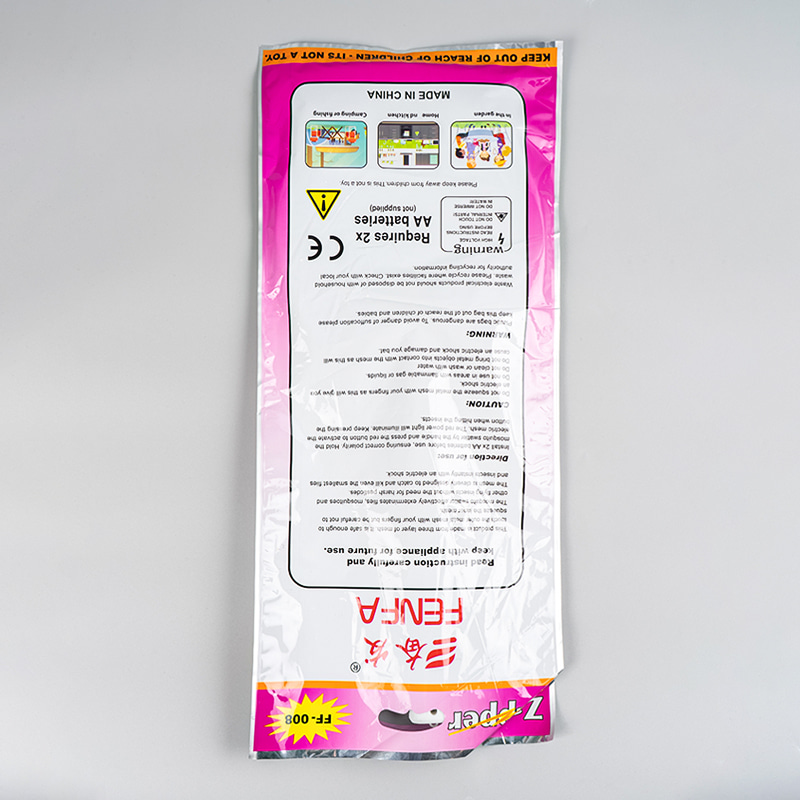 FF-008 AAA Battery-Powered Electric Mosquito SwatterThe simplest cordless model uses replaceable AAA batteries, so travelers, campers, or anyone avoiding charging routines can keep it ready without cables.View Product →
This is the workhorse of the range. Lead-acid cells at 250 mAh or 400 mAh, charged through a plug that folds out of the handle, housed in one, two, or three color combinations. Buyers can add a solar panel for slow top-up in daylight, or a detachable flashlight so the racket doubles as a torch on a dark balcony. Regional plug standards matter here, which is why we build versions such as a three-color Brazilian plug model alongside the more common configurations. One example of the feature-rich end of this family is a 400 mAh model with a detachable flashlight and LED light.
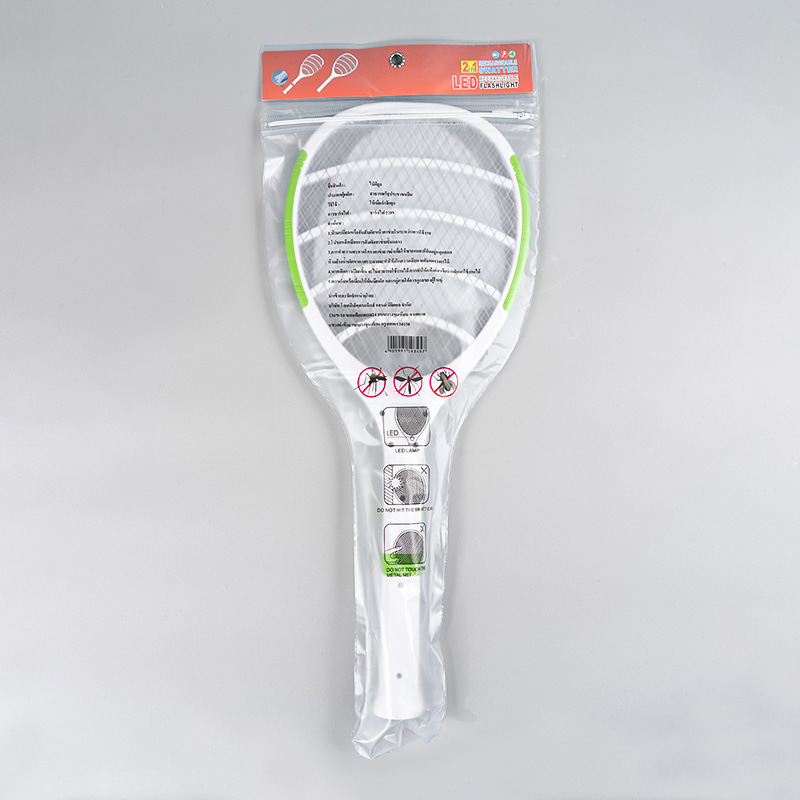 FF-808 Rechargeable Electric Mosquito Swatter with Detachable FlashlightA lead-acid workhorse with detachable LED flashlight and maintenance-friendly build, useful for dark rooms and extended indoor mosquito control.View Product →
This is where the design work gets interesting. Lithium cells from 500 mAh up to 1200 mAh, charged by USB cable, charging base, figure-eight wire, or a contact point in the base of the handle. Embroidered pattern lamps in floral, flame, wave, or round shapes. Folding heads that store flat. Small display screens. Multi-level modes that let the user choose a lower or higher output. One of the clearest examples is a foldable USB rechargeable model with a display screen, which packs a surprising amount into a handle.
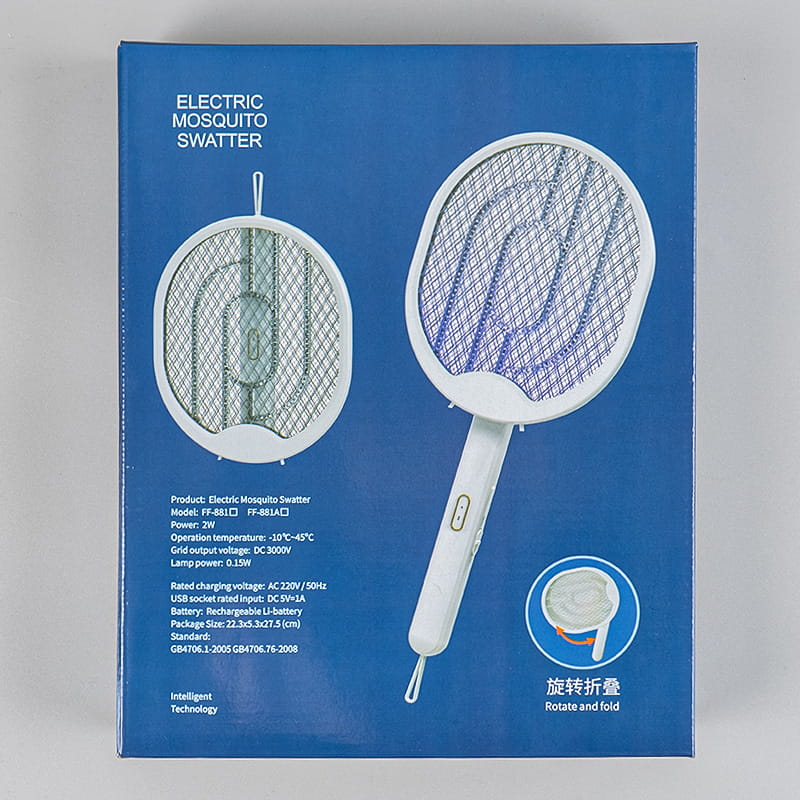 FF-881 Foldable USB Rechargeable Electric Mosquito Swatter with DisplayA compact lithium rechargeable model with folding head and status display, showing the customization range available for travel-friendly, multifunction mosquito control.View Product →
When a buyer sends us a brief, these are the variables we work through together, in roughly this order:
None of this is complicated, but the habits are worth printing on the box and repeating in the manual:
Because we work with brand owners rather than consumers, customization is a normal part of the conversation. Housing colors, lamp patterns, printed artwork on the handle, capacity, charging style, plug type, retail packaging, and manual language can all be adjusted within an order, and we accept OEM work as a matter of routine. If you want a sense of the breadth available before you brief us, browsing our electric mosquito swatter range is a good starting point, since the model numbers embed the key specification directly in the name.
Compliance is the other half of the discussion. Our documentation lists CE certification, ISO 9001 certification, A-level taxpayer status, and an environmental impact assessment approval from the Ningbo authorities. These are our own statements about our standing, and we are happy to walk a buyer through them rather than simply attaching a file.
One practical note for anyone building a seasonal program: mosquito season and heating season sit at opposite ends of the calendar, which makes portable fan heaters a natural companion order. We build two models in that line, a mechanical type and one with a display screen, so a single container can cover both halves of the year.
An electric mosquito swatter is a small, inexpensive object, and it is easy to treat it as a commodity. In practice, the difference between a racket that lasts three summers and one that fails in a month comes down to a handful of quiet decisions: how thick the mesh is, how the handle is sealed, which battery sits inside, and whether the person assembling it cared. Those decisions are the whole job, and after several years of making them, we still find the product worth the attention.
If you are planning a range and want to talk through specifications, colors, or plug standards, we are always glad to compare notes.
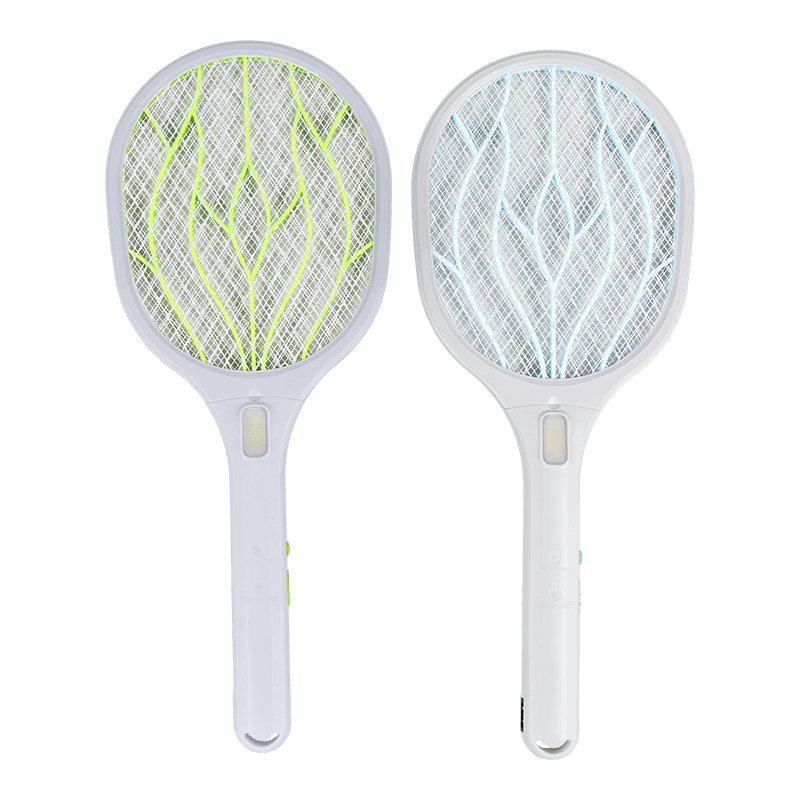 FF-988A 400mAh Portable Electric Mosquito Swatter with Light and Figure-Eight Cord
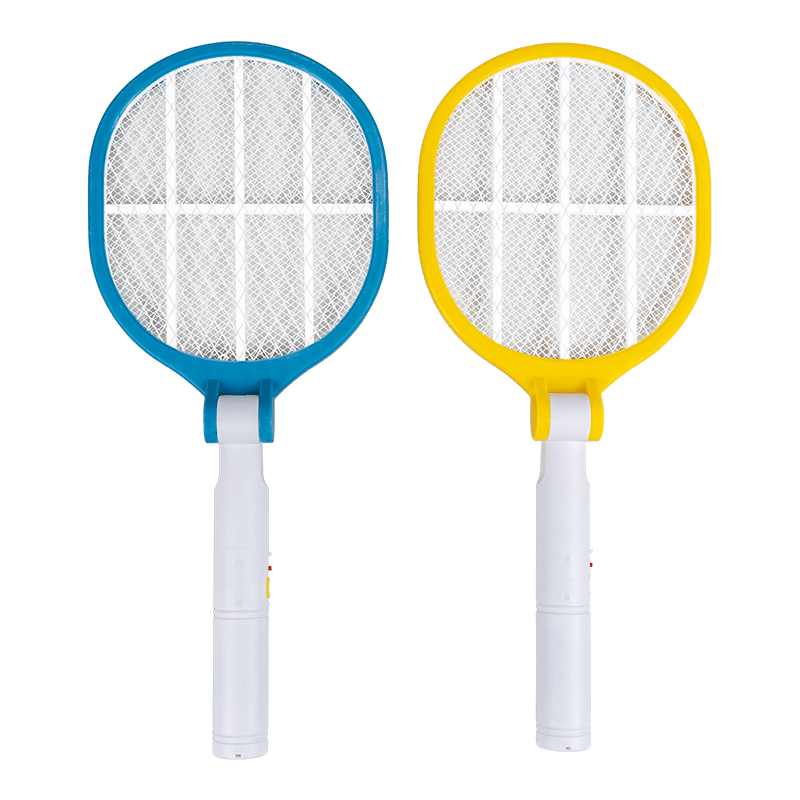 FF-101 2-Color Foldable Lead-Acid Battery 400mAh with Plug Electric Mosquito Swatter
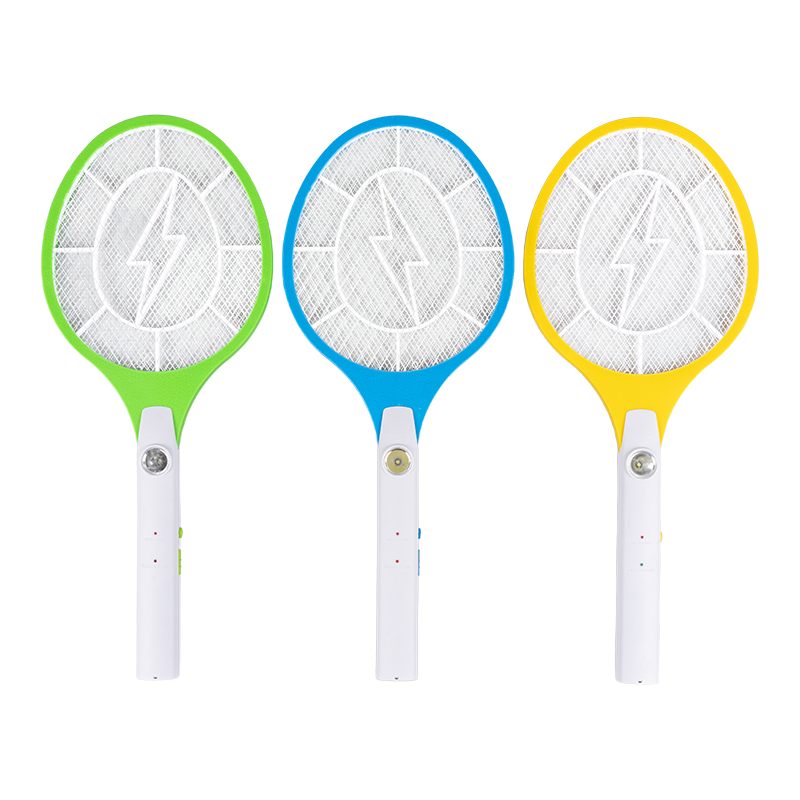 FF-009 LED Lead-Acid Battery 400mAh with Plug Electric Mosquito Swatter
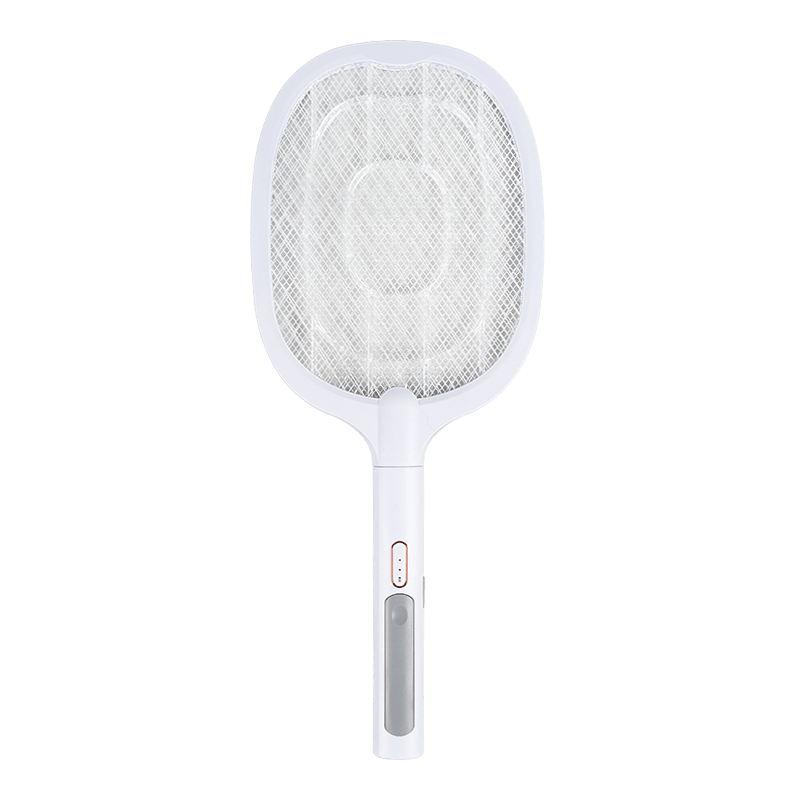 FF-888A 1200mAh Bottom-Charge Embroidered Pattern Lamp USB Base High-Efficiency Electric Mosquito Swatter
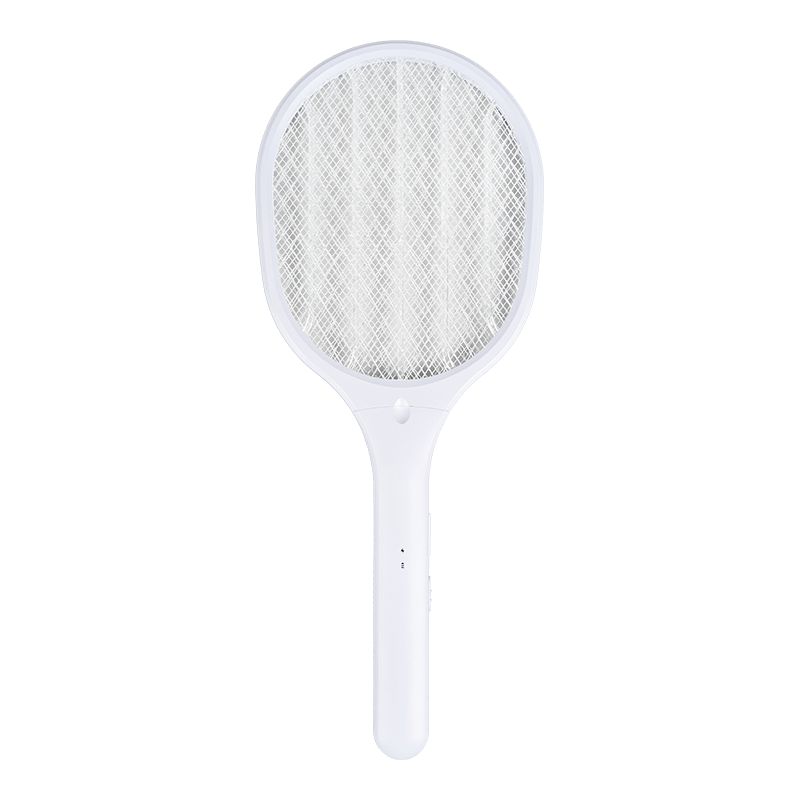 FF-886 500mAh Five-Mode Embroidered Pattern Lamp USB Base Adjustable Electric Mosquito Swatter
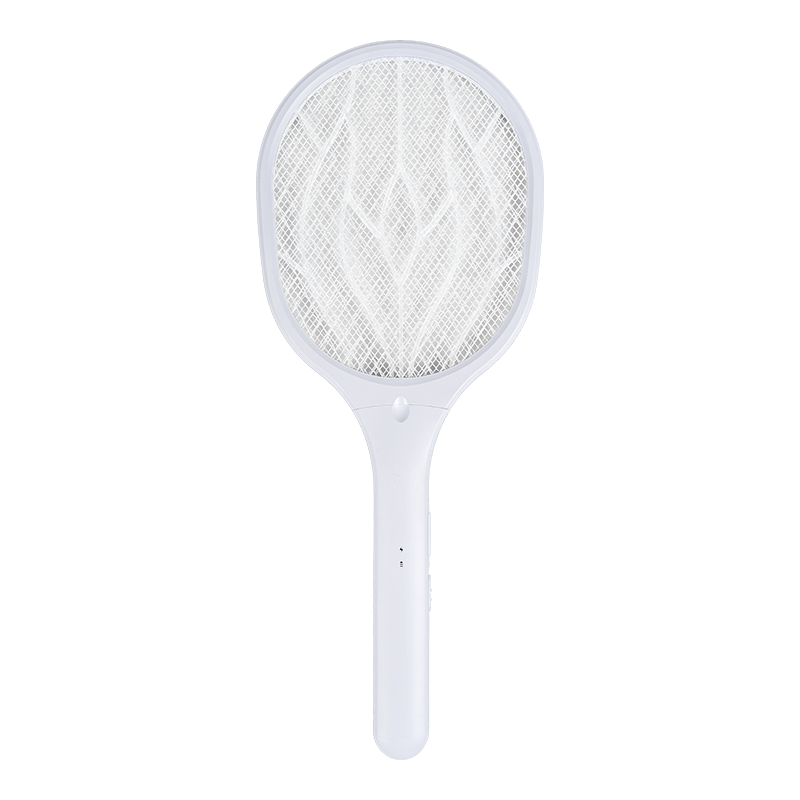 FF-886 500mAh Flame Embroidered Pattern Lamp USB Base Electric Mosquito Swatter
When you press the button on an electric fly swatter, the metal grid delivers a high-voltage pulse that stuns or kills mosquitoes, flies, a...
READ MOREThe battery size in an electric fly swatter is not a one-size-fits-all specification. Across current models you will find replaceable AAA c...
READ MOREThe fly lands on the kitchen counter, and you reach for the electric swatter. The impulse is to swing immediately, but the correct way to u...
READ MOREFew things disrupt a peaceful evening faster than a mosquito buzzing past your ear. Traditional swatters leave smudges on walls and plenty ...
READ MORE+86-574-62470728
+86-13736064888
No.1, Fuchuan Hill, Zhishan Village, Yangming Subdistrict, Yuyao City, Zhejiang Province, China

Copyright © Zhejiang Yuyao Fenfa Electric Technology Co., Ltd. All Rights Reserved.
 Custom Electric Handheld Bug Zapper Factory
 Previous