 EN
 English
 中文简体
 Español
 عربى
News
Home / News / Industry News / What Color Lights Do Mosquitoes Hate? A Manufacturer's Guide to Light Choices

Content
One question we hear a lot at our workshop is: what color lights do mosquitoes hate? It sounds as though there should be a simple answer—maybe blue is bad, maybe red is fine, maybe yellow is the trick. But after years of manufacturing electric mosquito swatters and watching how people actually use them in kitchens, courtyards, and camping trips, we've learned that the answer is less about a single shade and more about a strategy. This guide looks at the science behind mosquito color vision and then offers practical advice on lighting your way to a more comfortable evening.
Mosquitoes are not tiny vampires that hunt by the nearest lamp. They find hosts using a combination of carbon dioxide, body heat, sweat, and dark moving shapes. Light is a secondary cue, but it still matters. Understanding that order helps make better lighting decisions.
Field experiments have confirmed that some colors stand out more than others. In a study using LED traps in a forest setting, traps with blue LED light caught more mosquitoes than traps with green or red LED light. Ultraviolet light, often used in bug zappers, is also a strong attractant for many insect species.
That does not mean mosquitoes hate red or green. It means those colors give them less visual information to work with. They see shorter wavelengths more clearly, which is why blue and cool white lights tend to draw them in. Longer wavelength shades—red, amber, and soft yellow—are less stimulating for many species.
| Light color | Typical use | Mosquito response |
|---|---|---|
| Ultraviolet / blacklight | Bug zappers | Strongly attractive |
| Blue / cool white | LED floodlights | More attractive |
| Green | Decorative lights | Mixed |
| Red / amber | Porch lights | Less attractive |
| Yellow | Bug lights | Generally less attractive |
So what color lights do mosquitoes hate? The closest practical answer is that they largely ignore deep red, amber, and warm yellow. If you want a phrase to remember, choose "dim and warm" over "bright and cool."
But ignoring a light is not the same as avoiding a yard. Mosquitoes are still pulled in by human scent and heat, which is why active tools are part of the answer. Our guide to how electric mosquito swatters work explains the mechanics behind the grid, the safety features, and the best ways to use a swatter indoors.
The easiest change is to replace blue-white outdoor bulbs with warm-colored ones. A 2700K LED or an amber glass bulb will not repel mosquitoes, but it will make your patio less loud to their eyes. If you can dim the light, even better.
We also pay attention to how outdoor products are designed. A solar-assisted LED swatter combines two practical ideas: the battery can top up during daylight, and the small LED works like a pocket light when you're walking around at night and checking dark corners.
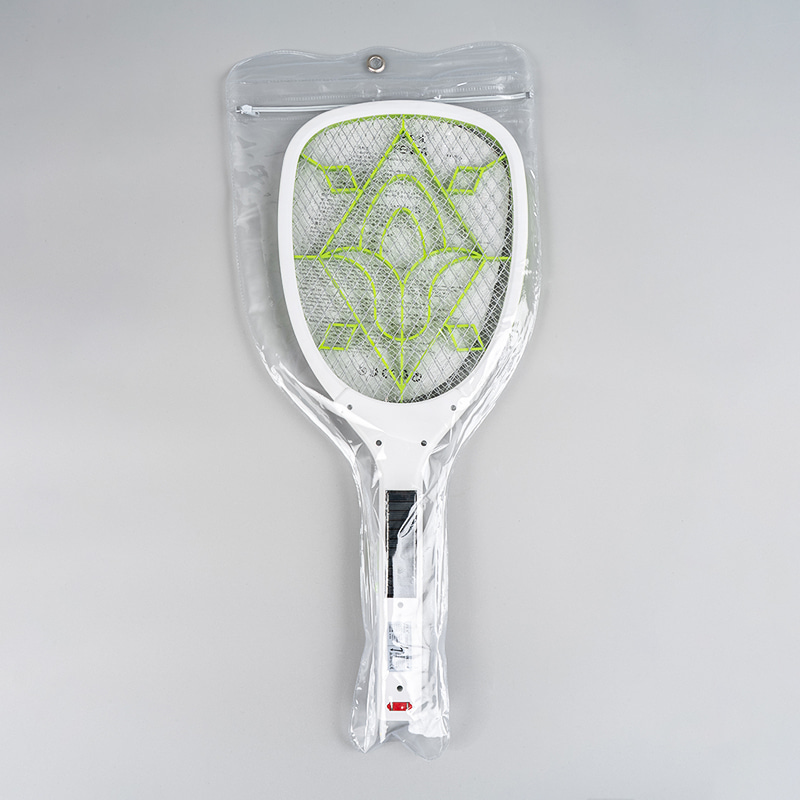 Solar-Assisted LED Mosquito Swatter with Rechargeable BatteryCombines solar charging and an LED light for outdoor use, revealing resting mosquitoes in dark corners while keeping weight and power manageable.View Product →
A bolt of electricity through a fine metal mesh is only half the story. The other half is being able to see where the mosquito is sitting. A well-designed swatter light should be bright enough to reveal a resting mosquito but narrow enough not to wash out the room.
For home use, many of our models place a small LED near the mesh so it lights the wall or ceiling directly in front of you. That makes a huge difference when you're scanning a bedroom before sleep. Our LED-equipped home swatter with a 400mAh lead-acid battery and plug-in charging is a good example of that everyday setup.
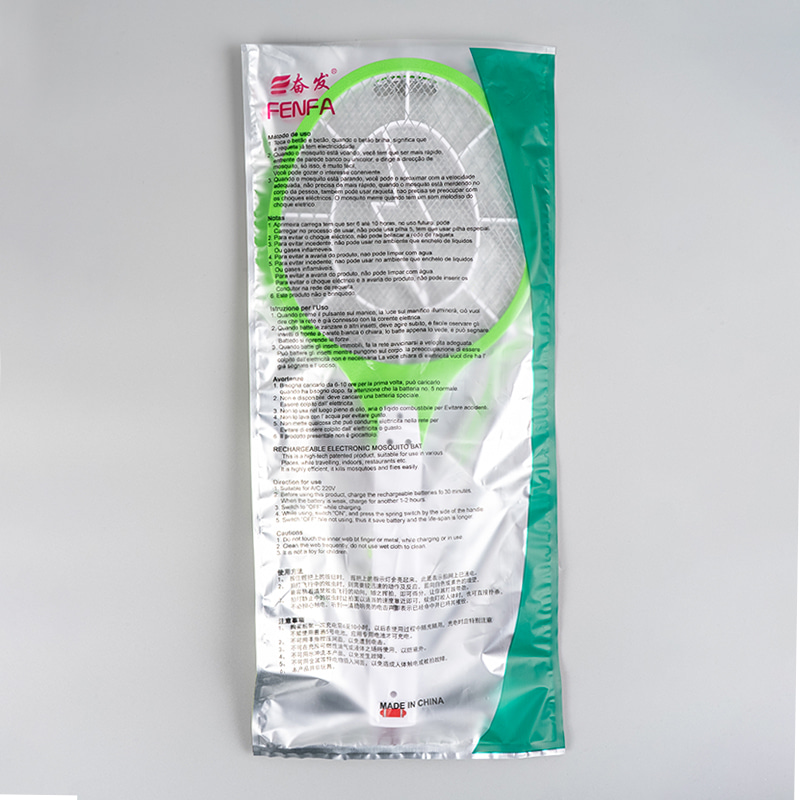 LED-Equipped Home Mosquito Swatter with Plug-In ChargingA compact swatter with a bright LED near the mesh, plug charging, and a safe double-layer grid, ideal for nightly bedroom sweeps.View Product →
When you're in a brighter room, you might want less light on the swatter so the mosquito does not notice the glare before you get close. Some of our multifunctional swatters offer five LED brightness levels, which gives you more control in different corners of the house. A USB-rechargeable battery keeps that light ready through long evenings.
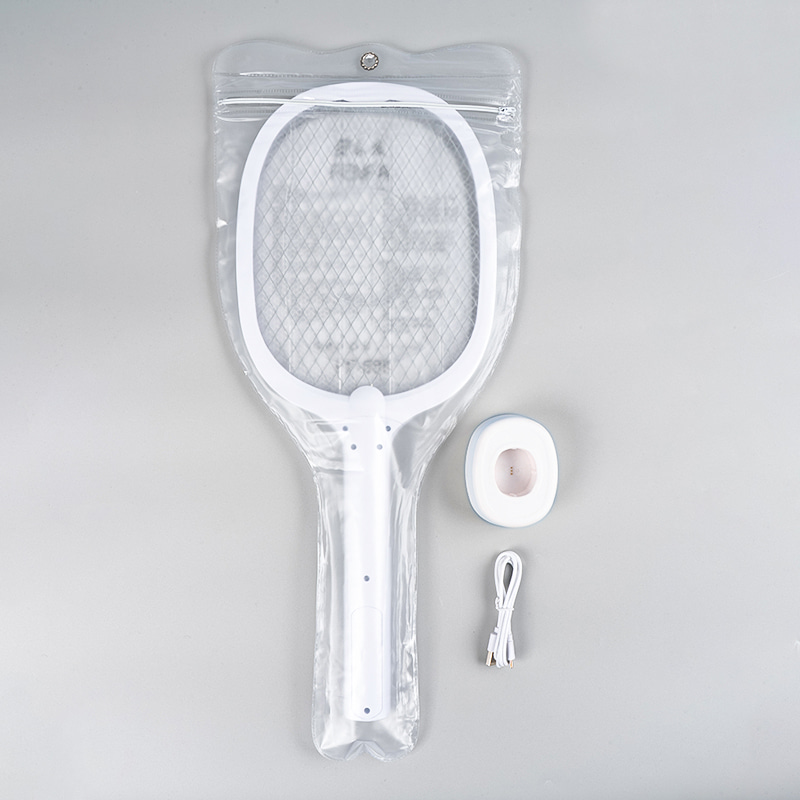 Five-Level LED Mosquito Swatter with USB Rechargeable BatteryOffers adjustable brightness to suit brighter rooms, violet LEDs for better attraction, and a 1200mAh battery for extended use.View Product →
If you're choosing a swatter, it helps to check a few details before buying.
No light color will make your yard completely mosquito-free. The insects are persistent, and they have too many ways to find you. The best routine still includes screens, closed doors, standing-water removal, and fans on still evenings.
When one does slip through, a reliable electric mosquito swatter is the fastest way to end the conversation. Our experience building these products has taught us that no light feature can replace good placement, good timing, and a clean swing. If you enjoyed this look at mosquito behavior, take a moment to explore our site for related guides and product insights.
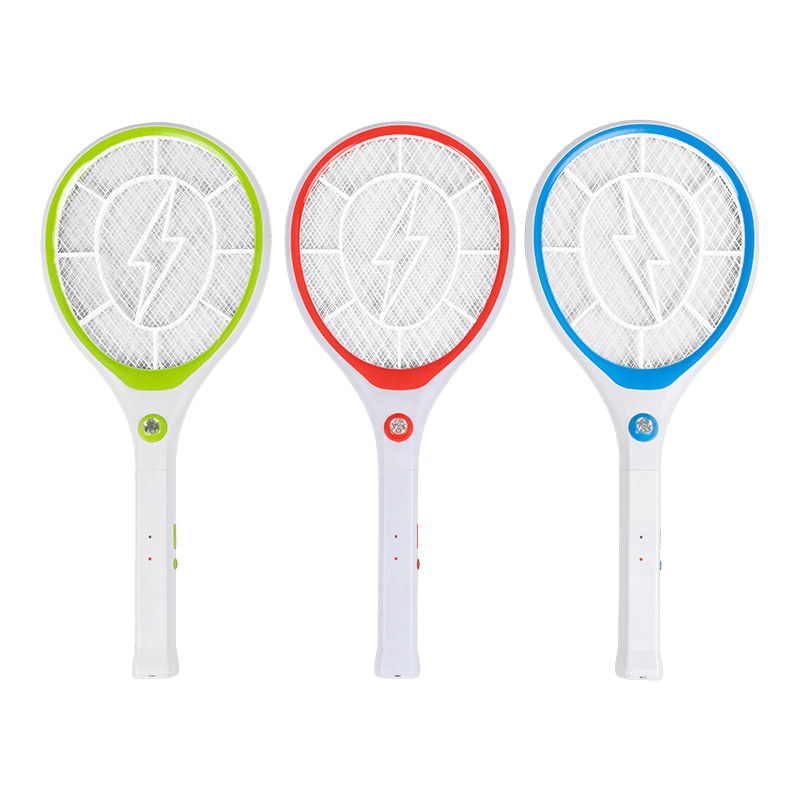 FF-787A 3-Color LED Solar with Plug Lead-Acid Battery 400mAh Electric Mosquito Swatter
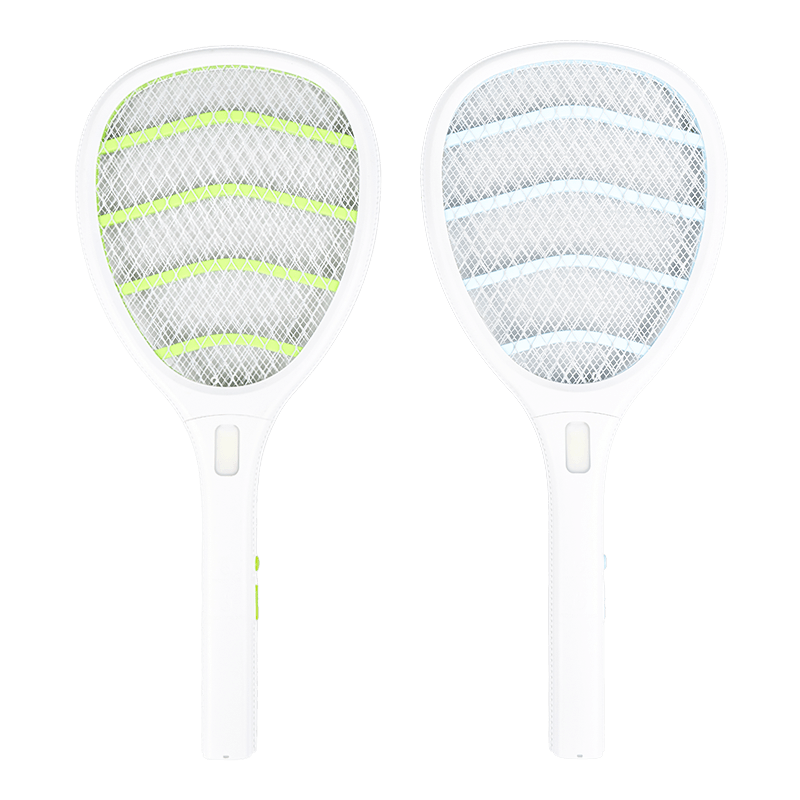 FF-987A 400mAh Dual-Color LED Mosquito Swatter Figure-Eight Lead-Acid
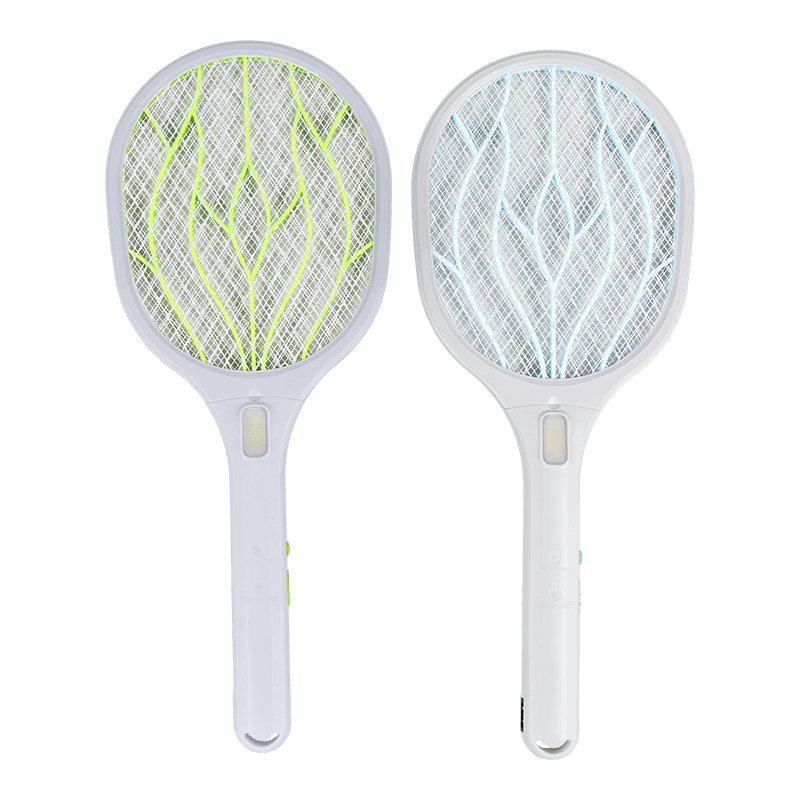 FF-988A 400mAh Portable Electric Mosquito Swatter with Light and Figure-Eight Cord
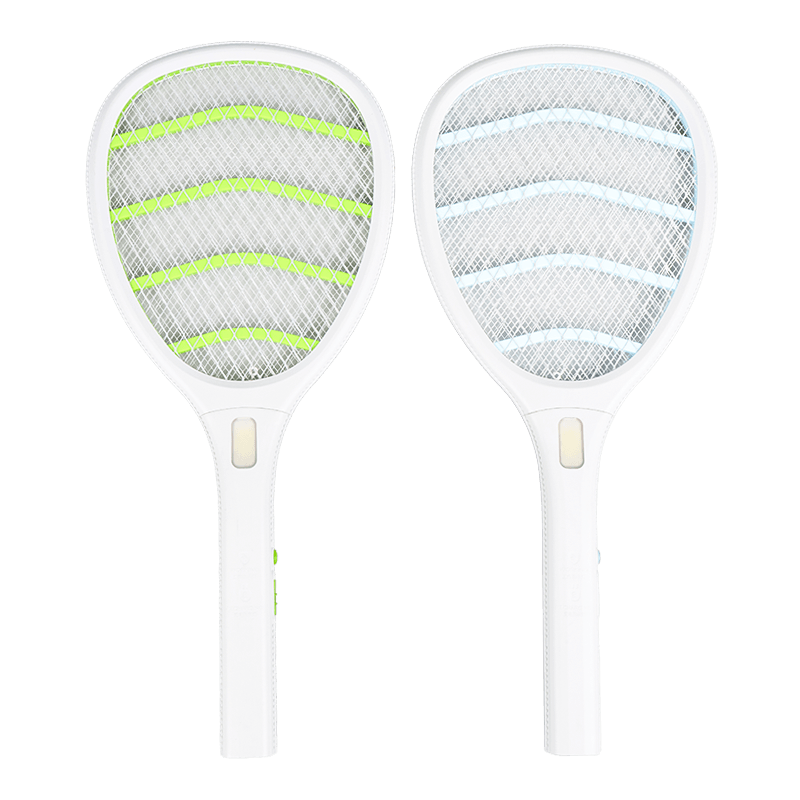 FF-987 500mAh Dual-Color LED Mosquito Swatter USB Rechargeable
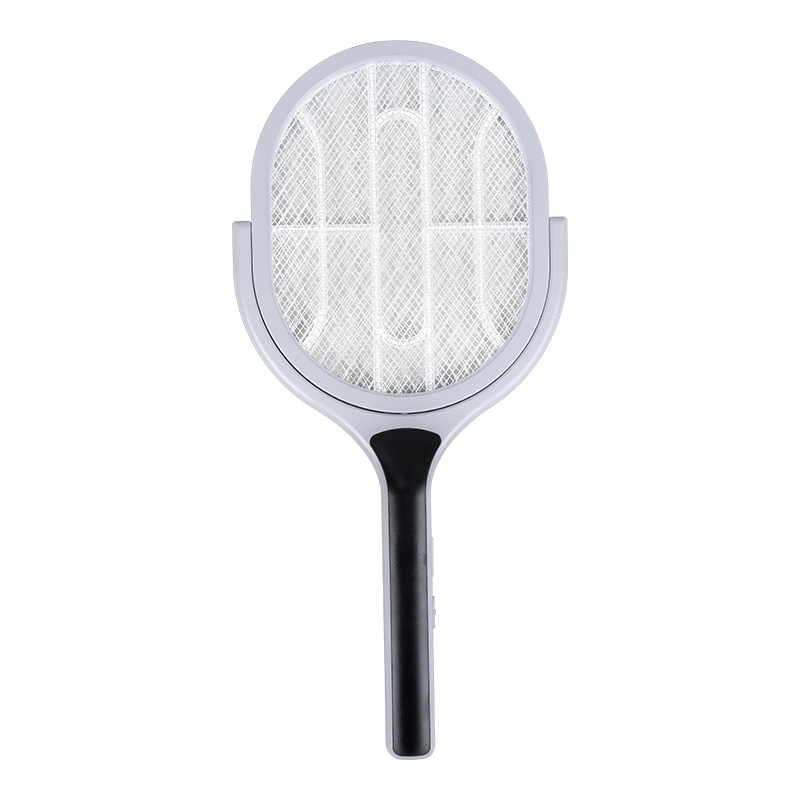 FF-999A 1200mAh Single-Color Embroidery LED Mosquito Swatter Foldable Display USB Rechargeable
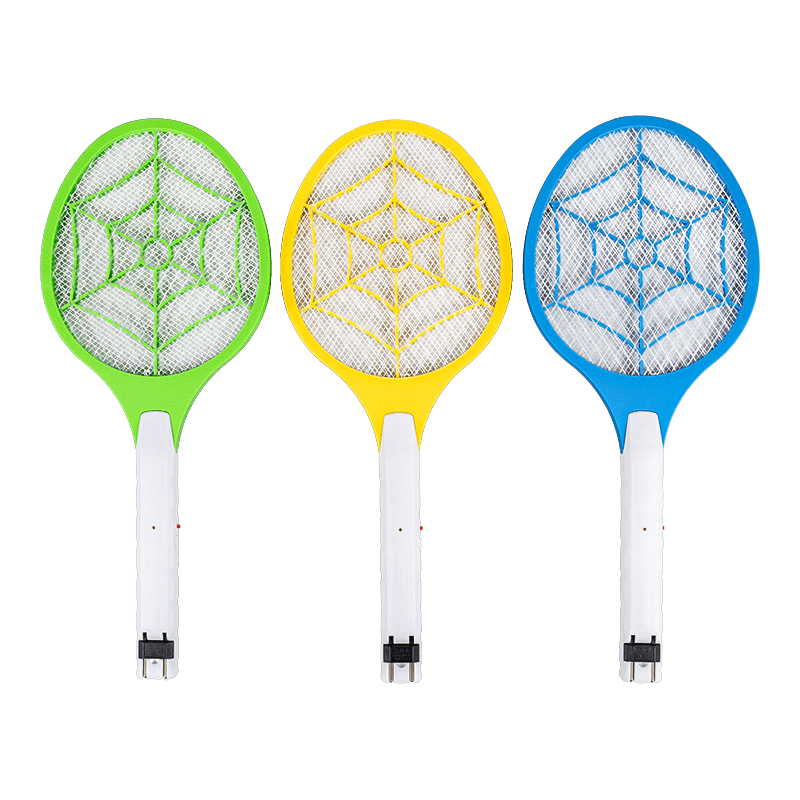 FF-007 3-Color Brazilian Plug Lead-Acid Battery 400mAh Electric Mosquito Swatter
Blue light does not keep mosquitoes away. It is not a repellent, and it does not create a protective zone around a patio or bed. In many si...
READ MOREShort answer: no. A bug zapper does not only work at night. If it has power, it can run at noon, at dusk, or at 2 a.m. The confusion comes ...
READ MOREDo Electronic Bug Zappers Work on Mosquitoes? The Direct Answer No, electronic bug zappers are largely ineffective against mosquitoes. Univ...
READ MOREEvery summer, the hunt for an effective, chemical-free mosquito solution sends millions of people toward electric fly swatters — those te...
READ MORE+86-574-62470728
+86-13736064888
No.1, Fuchuan Hill, Zhishan Village, Yangming Subdistrict, Yuyao City, Zhejiang Province, China

Copyright © Zhejiang Yuyao Fenfa Electric Technology Co., Ltd. All Rights Reserved.
 Custom Electric Handheld Bug Zapper Factory
 Previous