 EN
EN  English
 中文简体
中文简体 Español
 عربى
عربىEvery summer, the hunt for an effective, chemical-free mosquito solution sends millions of people toward electric fly swatters — those tennis racket-shaped devices that promise a satisfying zap instead of a frustrated slap. But are electric fly swatters actually good for mosquitoes? The honest answer is nuanced: yes, they can be highly effective — but only in specific situations, and only when weighed against the right alternatives. This in-depth comparative guide examines how electric fly swatters work, where they excel against mosquitoes, where they fall short, and how they stack up against every major competing method of mosquito control.
How Electric Fly Swatters Work
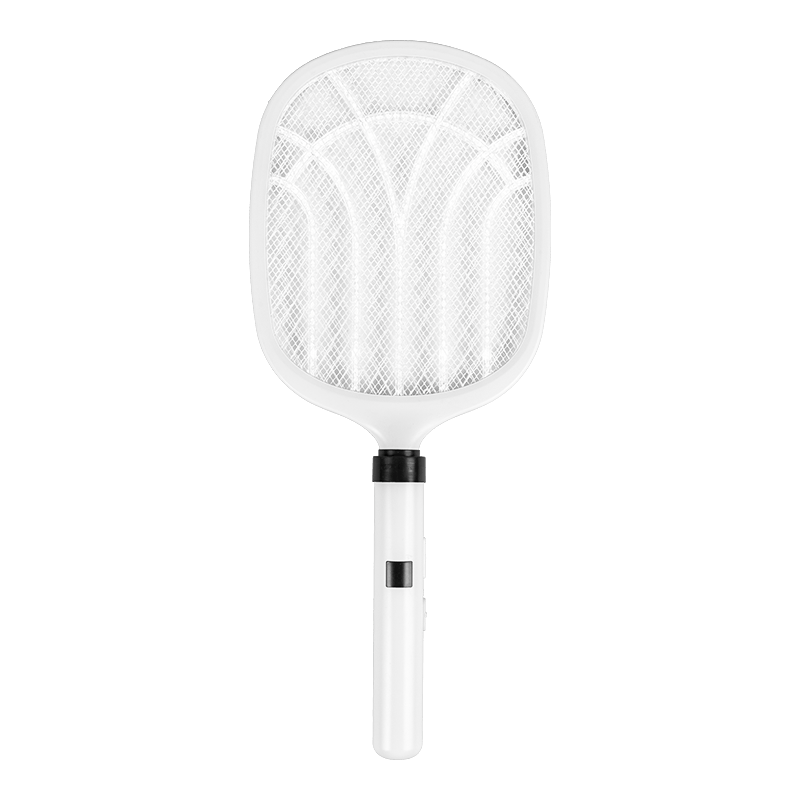
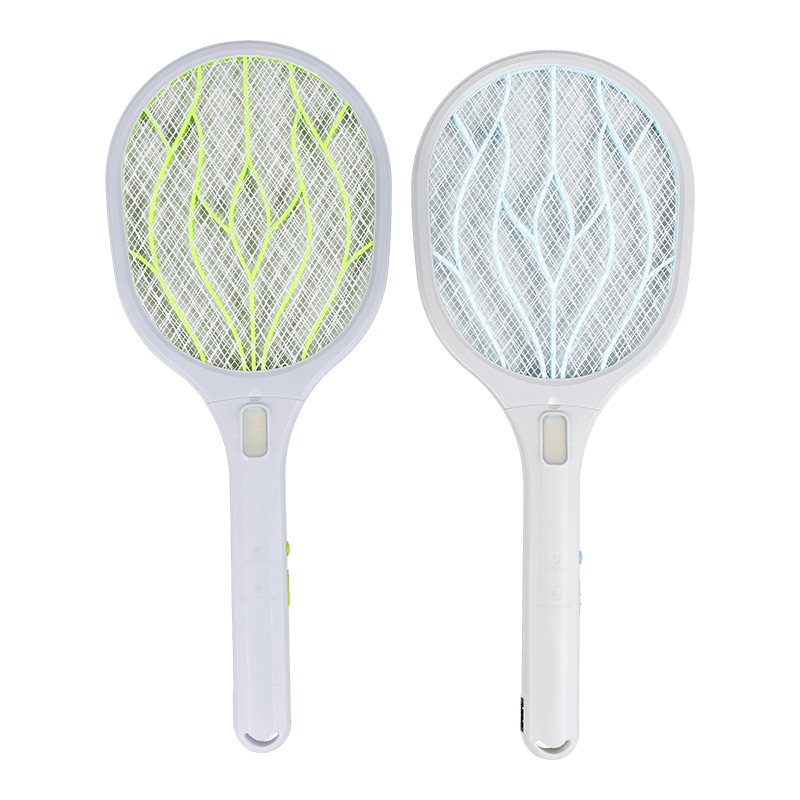
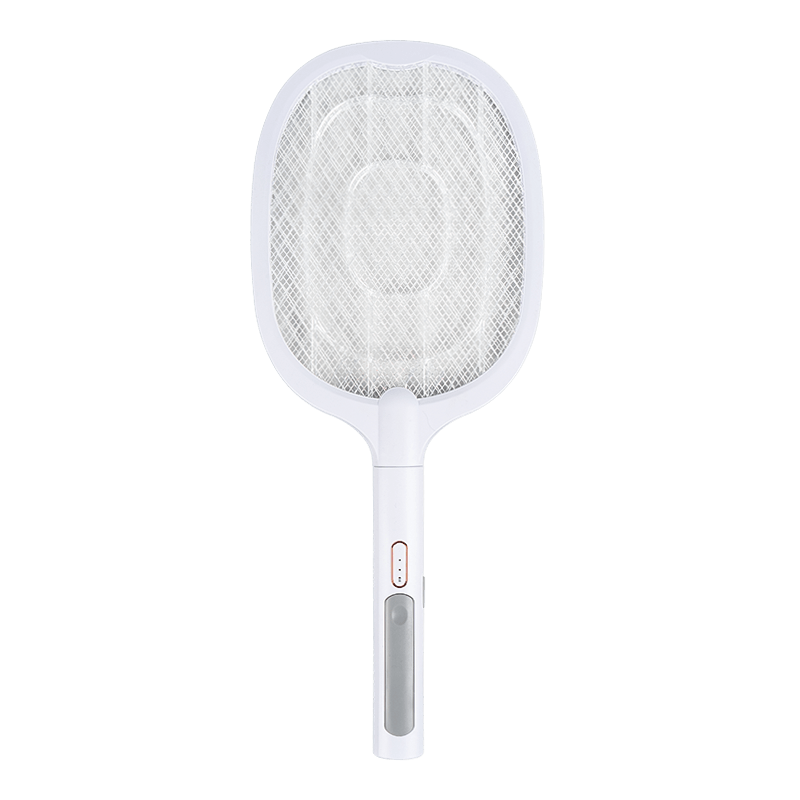
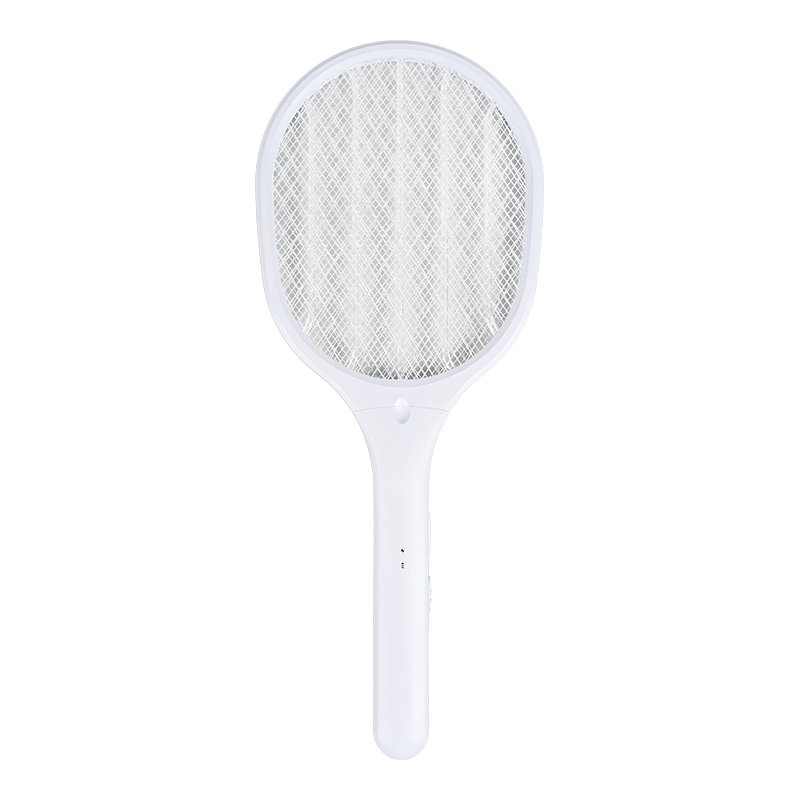
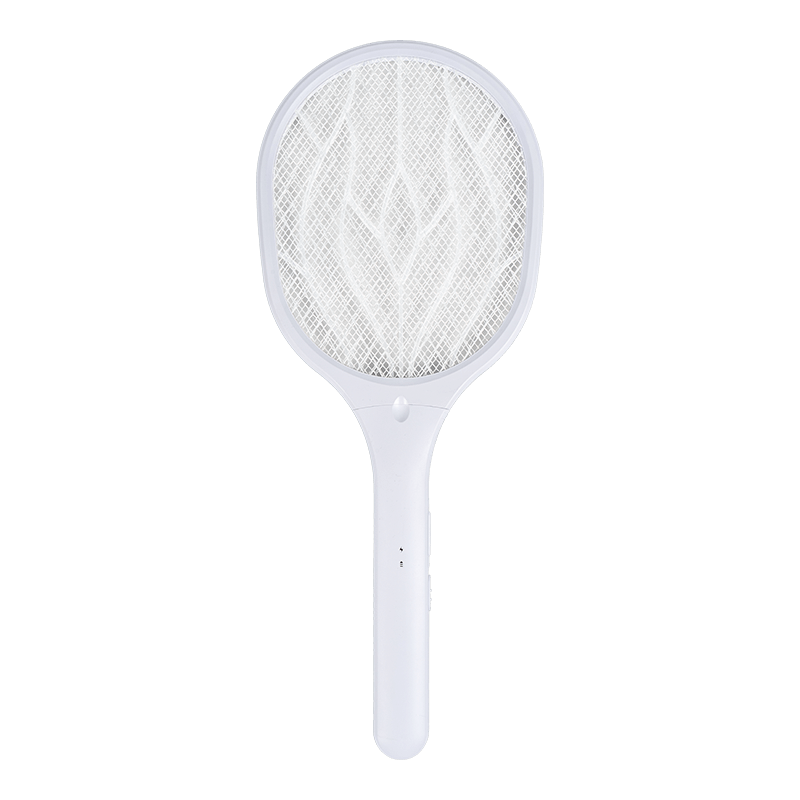
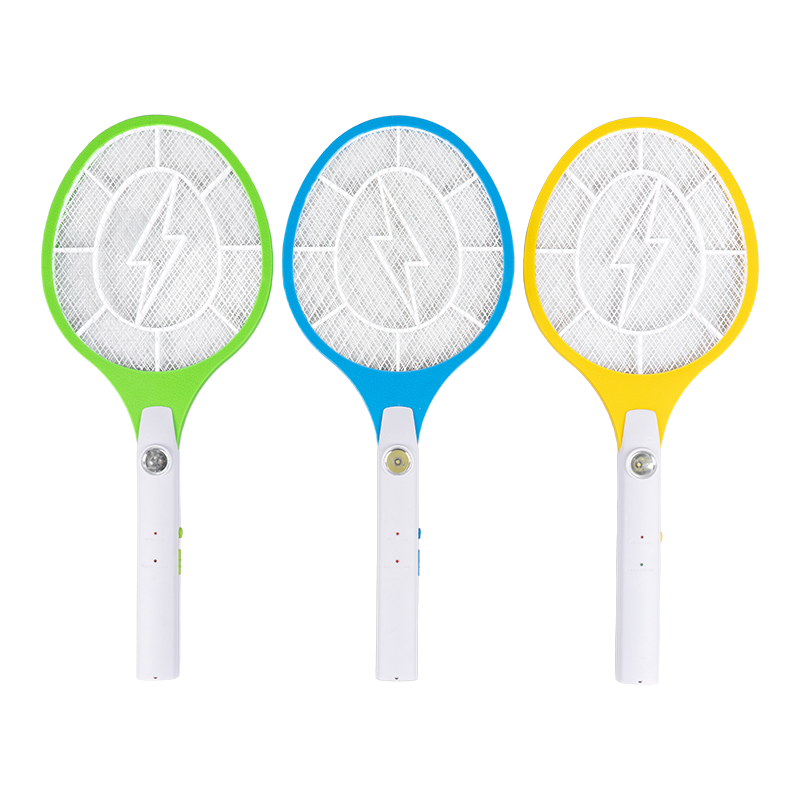
An electric fly swatter is a handheld, battery-powered device that uses an electrified wire mesh grid to kill flying insects on contact. Designed to resemble a tennis racket, it typically features three parallel metal grids: the two outer grids are grounded (connected to the negative terminal of the power source), while the inner grid carries high voltage — anywhere from 1,000 to 4,000 volts depending on the model. When a flying insect bridges the gap between the inner and outer grids, it completes the electrical circuit and receives a fatal or stunning electric shock.
The internal mechanism is straightforward. Pressing the activation button powers the circuit, which uses an oscillator and step-up transformer to convert the low voltage of batteries (typically AA cells or a built-in rechargeable lithium-ion pack) into the high voltage required to zap insects. A capacitor stores the charge, ready to discharge on contact. Most modern models conform to established electrical safety standards for humans, limiting the total charge stored to levels well below what would be dangerous to an adult — though the discharge is more than sufficient to kill small insects like mosquitoes and flies instantly.
The outer grids are designed with spacing that prevents human fingers from easily bridging the gap to the inner grid, while the mesh openings are sized to allow small insects like mosquitoes to pass through the outer grid and make contact with the electrified inner one. Higher-voltage models (3,000V and above) deliver instant kills on contact with mosquitoes; lower-voltage models may stun rather than kill, requiring a follow-up action to dispose of the insect.
Most contemporary electric fly swatters are rechargeable via USB, eliminating the need for disposable batteries. Many also include supplementary features such as built-in LED lights for nighttime use, UV light attractant modes to lure insects toward the grid passively, and safety locks to prevent accidental activation.
Are Electric Fly Swatters Effective Against Mosquitoes Specifically?
Mosquitoes are among the insects that electric fly swatters handle most effectively. Unlike houseflies — which are faster, more evasive, and more alert to movement — mosquitoes are relatively slow, weak fliers that tend to hover close to their targets. This behavioral characteristic makes them far easier to intercept with a swinging electric racket. Many experienced users report that hitting a mosquito with an electric swatter is significantly less demanding than swatting a housefly with a traditional swatter.
The size of a mosquito also works in the user's favor. Mosquitoes are small enough to pass through the outer protective grids on most electric swatter designs and make direct contact with the high-voltage inner grid, resulting in an instant kill at 2,000V or above. User reviews across multiple product categories consistently report high success rates against mosquitoes specifically, with the zap usually being strong enough to incapacitate or kill these smaller insects quickly.
Where Electric Fly Swatters Excel for Mosquitoes
- Indoor spot-elimination. When a mosquito has entered a room and is actively flying, an electric swatter is one of the fastest ways to eliminate it. A single decisive swing that makes contact ends the threat immediately — no chemicals, no waiting for a trap to attract and capture, no missed swats.
- Evening and nighttime use. Mosquitoes are most active during warm evenings. Models with built-in LED lights allow effective use in the dark, and some models include a UV attractant mode that draws mosquitoes toward the grid for hands-free elimination — a significant advantage during nighttime hours.
- Camping, outdoor dining, and patios. A cordless, portable electric swatter is one of the most practical tools for outdoor settings where mosquitoes are actively present. It requires no power outlet, no setup, and no waiting — just swing and zap.
- Targeted elimination in sensitive spaces. In bedrooms or spaces where chemical sprays or burning coils are undesirable — especially around children, pets, or people with respiratory sensitivities — an electric swatter provides a clean, odor-free solution for individual mosquitoes.
Where Electric Fly Swatters Fall Short Against Mosquitoes
- Passive or unsupervised protection. Electric fly swatters require active user engagement. They provide no protection when you are asleep, distracted, or away from the area. If mosquitoes are entering a room while you sleep, a swatter sitting on a table does nothing.
- High-infestation environments. When mosquito populations are dense — in heavily infested outdoor areas, near standing water, or in tropical climates — a handheld swatter cannot keep pace with the volume of insects. Eliminating one mosquito at a time is impractical when dozens are present simultaneously.
- Mosquitoes at rest. An electric swatter works by intercepting a mosquito in flight. A mosquito resting on a wall, ceiling, or surface cannot be zapped effectively with the flat surface of a racket — it requires a landing surface for contact, and the typical swinging motion is better suited to intercepting airborne insects.
Electric Fly Swatter vs. Other Mosquito Control Methods: A Full Comparison
Understanding whether an electric fly swatter is the right tool requires comparing it systematically against the primary alternatives. Each method has a distinct mode of action, and the best choice depends on the specific situation.
Electric Fly Swatter vs. Traditional Fly Swatter
The traditional manual fly swatter — a simple mesh or solid paddle on a handle — is the oldest competing option. It requires no battery, no charging, and costs almost nothing. Against mosquitoes, a manual swatter can work, but it leaves a mess: crushed insects on surfaces and the inevitable smear that results from impact. An electric swatter, by contrast, incinerates the insect on contact, leaving minimal residue and maintaining hygiene. The electric version also requires less precision — even a near-miss that brings the mesh into contact with a mosquito mid-flight can deliver a fatal shock, whereas a traditional swatter demands a direct hit on a surface.
The electric swatter wins for cleanliness, effectiveness on airborne insects, and the ability to hit mosquitoes mid-flight. The manual swatter wins on cost, simplicity, and zero dependency on power. For mosquitoes specifically — given their slow flight — both are reasonably effective in skilled hands, but the electric version is considerably more satisfying and hygienic.
Electric Fly Swatter vs. Stationary Bug Zapper
Stationary bug zappers use UV light to attract insects to an electrified grid, killing them passively without any user action. This passive operation is their core advantage: a bug zapper works continuously, including while you sleep, without requiring any attention. However, a critical limitation applies specifically to mosquitoes: a University of Delaware study found that bug zappers kill more non-biting insects — such as flying beetles and moths — than they do mosquitoes and biting flies. Mosquitoes are not primarily attracted to UV light; they are attracted to carbon dioxide from human breath, body heat, and chemical compounds like octenol found in human sweat. A standard UV-only bug zapper is therefore a poor dedicated mosquito killer.
Bug zappers that add octenol bait — a chemical lure that mimics the scent signals mosquitoes follow — perform considerably better against mosquitoes specifically, but they are bulkier, stationary, and require periodic lure replacement. The electric fly swatter, while requiring active use, is more reliably lethal to the individual mosquitoes it contacts, because it does not rely on the insect being attracted to a light source. For targeted elimination of mosquitoes already in your space, the swatter wins. For passive, ongoing outdoor control, a baited bug zapper is the stronger choice.
Electric Fly Swatter vs. Mosquito Trap (CO₂ and Fan-Based)
Dedicated mosquito traps — such as propane-powered CO₂ traps or electric fan-suction models — are purpose-engineered for mosquito control. They mimic the carbon dioxide, heat, and scent signals that humans emit, attracting mosquitoes from a wide area and trapping them in a containment chamber where they dehydrate and die. These systems use a continuously running electric fan to suck in flying insects, especially mosquitoes and gnats, which are weak fliers — making them particularly well-suited to the task.
Mosquito traps are significantly more effective than electric fly swatters at reducing mosquito populations over time. They operate continuously without user involvement, cover large areas, and are specifically tuned to mosquito behavior rather than relying on insects to fly into a swinging racket. However, they are also substantially more expensive, require a power source or fuel, need regular maintenance (emptying the trap, replacing attractants), and take days to weeks to produce a noticeable population reduction. They are a long-term population management solution rather than an immediate fix. The electric fly swatter wins on immediacy and cost; the dedicated mosquito trap wins on effectiveness at scale and hands-free operation.
Electric Fly Swatter vs. Mosquito Repellent Sprays and Topical Treatments
Chemical repellents — particularly DEET-based sprays, picaridin formulations, and natural alternatives like oil of lemon eucalyptus — act on an entirely different principle: instead of killing mosquitoes, they interfere with the olfactory receptors mosquitoes use to locate human hosts, rendering the user effectively invisible to them. Applied correctly, repellents can provide hours of protection across the entire body surface, making them invaluable for outdoor activities where mosquito exposure is constant and widespread.
Repellents, however, address only personal protection — they do not reduce the mosquito population in an area, they require reapplication, they may cause skin sensitivity in some users, and they are inappropriate for certain environments (around food, near open wounds, on young children's skin without pediatric guidance). Electric fly swatters eliminate individual mosquitoes from a space entirely but provide no personal protection from mosquitoes that approach before they can be intercepted. The two methods are fundamentally complementary rather than competitive: use repellent on your body in high-exposure situations, and an electric swatter to clean up the mosquitoes that have entered your indoor space.
Electric Fly Swatter vs. Mosquito Coils and Burning Repellents
Mosquito coils, incense sticks, and candle-based repellents work by releasing repellent compounds — typically pyrethrin, allethrin, or citronella — into the air as they burn. They can create a perimeter of repellent smoke that deters mosquitoes from a defined outdoor area. Their main advantages are low cost, ease of use, and no dependency on electricity. Their limitations are significant: they produce smoke with associated respiratory irritants, they are effective only in relatively still air (wind disperses the repellent rapidly), they do not kill mosquitoes and lose effectiveness once burning stops, and they are inappropriate for indoor use over extended periods.
An electric fly swatter produces no combustion, no smoke, and no chemical residues. For indoor use or in situations where respiratory health is a concern, it is clearly the superior option. For outdoor use in calm conditions, coils can create a broader protective zone but offer no solution for mosquitoes that have already entered a space. The electric swatter handles those individual intruders definitively.
Electric Fly Swatter vs. Sticky Traps and Glue Boards
Sticky traps use UV light or chemical attractants to draw insects onto an adhesive surface from which they cannot escape. They require no user action beyond initial setup and periodic replacement of the glue board — typically every month. They operate silently, use minimal electricity, and are safe for indoor use around children and pets with no risk of electric shock. Studies suggest that sticky traps work better for smaller, less active pests like gnats, fruit flies, and mosquitoes than bug zappers do, because they do not rely on strong UV attraction that mosquitoes do not consistently exhibit.
However, sticky traps are passive and slow — they accumulate insects over days, not seconds. They are useful as a background control measure but provide no immediate relief when a mosquito is actively flying around the room. The electric fly swatter and the sticky trap occupy entirely different roles: immediate active elimination versus slow passive accumulation. For most households dealing with mosquitoes, a combination of both — sticky traps running passively, swatter available for active intervention — represents the most practical approach.
Electric Fly Swatter vs. Window and Door Screens
Properly installed insect screens on windows and doors represent the single most cost-effective long-term solution to indoor mosquito problems: preventing entry entirely. A well-maintained screen system stops mosquitoes before they enter a living space, requiring no chemicals, no electricity, and no active user effort beyond the initial installation and occasional repair. No active elimination method — swatter, trap, or zapper — is as efficient as preventing the problem at its source.
The practical limitation of screens is that they require intact installation across all potential entry points, which is not always possible in older homes, rental properties, or during periods when windows or doors need to remain open for ventilation. In those situations, an electric fly swatter becomes an essential line of defense for the mosquitoes that inevitably get through.
Pros and Cons of Electric Fly Swatters for Mosquitoes
Advantages
- Completely chemical-free. Electric fly swatters offer a non-toxic alternative for short-term management of mosquitoes and other insects. Unlike chemical sprays, they leave no surface residues, no airborne toxins, and no odors — making them genuinely safe for households with children, pets, people with asthma, or anyone sensitive to chemical exposure.
- Immediate, confirmed results. There is no uncertainty about whether a mosquito has been neutralized. The characteristic zap and the visible result of contact confirm elimination instantly. This immediacy is a genuine advantage over passive traps that accumulate insects slowly.
- Portable and versatile. Modern rechargeable models with USB-C charging can be taken virtually anywhere — camping, outdoor dining, travel, or any room in the home. They require no power outlet, no fuel, and no setup time.
- Low ongoing cost. After the initial purchase, a rechargeable electric fly swatter has negligible running costs. There are no chemical refills, no replacement lures, no glue boards to change, and no propane canisters to replace. The device simply needs charging.
- Hygienic operation. Unlike a manual swatter that leaves crushed insect residue on surfaces, an electric swatter incineration typically vaporizes the insect on contact, leaving minimal to no mess.
- Safe for the environment. No chemical runoff, no toxin accumulation in soil or water, and no impact on non-target insect populations (unlike broadcast pesticide sprays or poorly targeted passive zappers that kill large numbers of beneficial insects).
Disadvantages
- Requires active user engagement. An electric swatter provides no protection when unattended. It cannot protect you while you sleep, work, or are otherwise occupied. It is a reactive tool, not a preventive one.
- Limited coverage area. Each swing covers only the immediate space within arm's reach. High-infestation environments overwhelm the capacity of a single swatter, no matter how skilled the user.
- Skill and awareness required. Effective use requires noticing a mosquito, tracking it, and making successful contact. For some users — particularly those with limited mobility or reaction time — this is less practical than passive alternatives.
- Potential safety concern if misused. While designed to be safe for human contact, the high-voltage grid can deliver a noticeable and unpleasant shock if accidentally touched while activated. Most modern models include safety meshes and lock mechanisms, but the device should be kept away from young children and treated with appropriate care.
- Odor from insect combustion. In enclosed spaces, the smell of burning insects after repeated use can be unpleasant. This is usually minor, but it may be a consideration in small, poorly ventilated rooms.
- Ineffective against mosquitoes at rest. A mosquito resting on a wall or ceiling is not easily eliminated with a swinging racket — the flat surface mechanics do not lend themselves to pressing an object flat against a wall, and the attempt often simply disturbs the mosquito back into flight.
How to Use an Electric Fly Swatter Most Effectively Against Mosquitoes
Use it in the evening and at night. Mosquitoes are most active during warm evenings and in the dark. Evening use — when mosquitoes are actively flying and feeding — gives the highest success rate. Models with built-in LEDs allow confident nighttime use, and UV mode attracts mosquitoes toward the grid for easier interception.
Swing quickly and decisively. A slow, tentative swing gives a mosquito time to detect movement and evade. A fast, confident swing that brings the mesh through the mosquito's flight path is far more effective. The electric component means precise contact is less critical than with a manual swatter — any part of the mesh that touches the mosquito delivers the shock.
Focus on areas of mosquito activity. Mosquitoes tend to congregate near standing water, near humans (especially around the ankles and lower legs), and near warm surfaces in the evening. Patrolling these zones with an active swatter is far more efficient than wandering randomly through a room.
Use UV mode passively when not actively swatting. Many modern electric swatters can be set upright as a standing bug zapper with UV light active. This draws mosquitoes toward the grid without requiring continuous user attention — bridging the gap between active and passive modes of use.
Keep the mesh clean. Insect remains on the grid can reduce electrical conductivity over time, diminishing the effectiveness of each zap. Clean the mesh regularly — many models include a small cleaning brush, and the grid can be gently knocked or brushed clean after each use session.
Keep it dry. Water conducts electricity, and using an electric swatter in wet conditions or with wet hands significantly increases the risk of shock. Always use the swatter with dry hands and keep it away from water sources.
What to Look for When Buying an Electric Fly Swatter for Mosquitoes
Voltage. For reliable instant kills on mosquitoes (rather than just stunning), look for models rated at 2,000V or above. Models in the 3,000–4,000V range are the most powerful category available in 2025 and deliver consistent instant elimination even on the first strike. Lower-voltage models (under 1,500V) may stun mosquitoes without killing them.
Rechargeable battery vs. disposable. USB-rechargeable models with lithium-ion batteries eliminate the ongoing cost and inconvenience of disposable AA or D-cell batteries. Look for a capacity of at least 1,200mAh for reasonable session length, and USB-C charging for convenience.
Safety mesh design. A three-layer mesh design — with outer protective grids flanking the inner high-voltage grid — prevents accidental finger contact while still allowing small insects like mosquitoes to reach the electrified inner grid. This is an important safety feature for households with children.
LED light and UV mode. A built-in LED extends effective use into the night, when mosquitoes are most active. A UV attractant mode converts the swatter into a passive standing zapper, useful when you want hands-free mosquito control without setting up a separate device.
Handle ergonomics and head size. A comfortable grip reduces hand fatigue during extended use sessions. A larger grid head increases the effective strike zone, making it easier to intercept mosquitoes mid-flight. Telescopic or extendable handles add reach for high ceilings or outdoor use.
Safety lock mechanism. A dedicated activation button or safety lock that prevents the grid from activating accidentally is an essential feature, particularly in households with children or pets.
The Verdict: When to Choose an Electric Fly Swatter for Mosquitoes
An electric fly swatter is an excellent choice for mosquito control in the following situations:
- You need to eliminate individual mosquitoes that have entered your indoor space quickly, cleanly, and without chemicals.
- You are outdoors in the evening — camping, dining, or relaxing on a patio — and want immediate, portable mosquito control.
- You want a completely chemical-free approach that is safe for children, pets, and people with respiratory sensitivities.
- You prefer confirmation of elimination over the uncertainty of passive trapping methods.
- You want a low-cost, low-maintenance tool that requires no ongoing consumables.
An electric fly swatter is not the best primary solution in these situations:
- You need overnight or unattended protection from mosquitoes in a sleeping space — use a dedicated passive trap, a repellent device, or physical barriers like bed nets.
- You are in a heavily mosquito-infested outdoor area where population volume makes individual elimination impractical — use topical repellents, area repellent devices, or professional pest control.
- You want to reduce mosquito populations around your property over time — use dedicated CO₂ mosquito traps or larviciding standing water sources.
The most practical approach for most households is to use an electric fly swatter as part of a layered mosquito control strategy: screens on windows and doors as the first line of defense, repellents for personal protection during outdoor exposure, and an electric swatter for the immediate elimination of individual mosquitoes that penetrate those defenses indoors. No single tool solves the mosquito problem comprehensively — but the electric fly swatter is one of the fastest, cleanest, and most satisfying tools in the overall toolkit.
 Previous