 EN
 English
 中文简体
 Español
 عربى
News
Home / News / Industry News / Do Bug Zappers Only Work at Night? What Really Matters for Mosquitoes at Home

Content
Short answer: no. A bug zapper does not only work at night. If it has power, it can run at noon, at dusk, or at 2 a.m. The confusion comes from two things: many flying insects are more active after dark, and some outdoor models have a light sensor that switches them on at dusk. For mosquitoes, though, "working" is the tricky word. A zapper can glow and crackle all night without making a serious dent in the mosquitoes around your patio.
Most people notice bug zappers after dinner. The garden is quieter, the light stands out, and the occasional zap sounds like progress. Many moths, midges, beetles, and other night-flying insects are indeed active then, so a light-based trap often fills up faster after sunset.
Mosquito behaviour is more mixed. Some species are most active at dusk and during the night, while others bite in daylight or in shaded areas. Temperature, humidity, rain, and local habitat can matter as much as the clock. A warm, still evening near standing water is usually more productive for mosquitoes than a cool, windy afternoon.
So the nighttime association is real, but it is not a switch inside the zapper. It is a combination of insect habits, human routines, and the simple fact that a glowing light is easier to see in the dark. If you run a zapper during the day, it may still kill insects, but the lure is competing with bright sunlight and different flight activity. That is why "do bug zappers only work at night?" has a practical answer: they can operate anytime, but their catch is usually more noticeable after dark.
Most consumer bug zappers use ultraviolet light to attract insects toward an electrified grid. That design works well for some flying insects, but it is not a perfect mosquito solution. Mosquitoes respond strongly to carbon dioxide from breath, body heat, moisture, and skin chemistry. A light-only zapper does not imitate those cues closely enough to be a reliable mosquito trap.
This is why a zapper can sound busy while people are still getting bitten. The device may be catching moths and other insects that are attracted to the light, including species that pollinate plants or feed other wildlife. Even at night, the zapper is not necessarily targeting the mosquito that just landed on your arm.
| Question | Bug zapper | Electric mosquito swatter |
|---|---|---|
| Can it run in daylight? | Yes, but the light lure competes with sunlight. | Yes; it works on contact whenever a mosquito is within reach. |
| Main attractant | Ultraviolet light. | None; the user brings it to the insect. |
| Typical nighttime result | Often catches moths and other non-target insects. | Targeted removal of mosquitoes and other pests within reach. |
| Best use | Outdoor use away from people, doors, and food areas. | Indoors, patios, camping, garages, and quick cleanup. |
| Main limitation | Not reliable mosquito control on its own. | Requires hand-eye coordination and regular charging or batteries. |
They can run, but daytime performance is usually weaker. Bright sunlight washes out the visual lure, and many of the insects a zapper catches are less active in full sun. Some outdoor units also include a dusk-to-dawn sensor, so they are designed to switch on only when the light drops. That is a convenience feature, not proof that the killing grid stops working in daylight.
If your model has a manual switch or an override, you can test it during the day. Just do not expect the same results as an evening run. Daytime mosquito control is better focused on removing standing water, repairing screens, using fans, and applying personal repellent when needed.
Leaving a zapper on overnight is common, but more hours do not automatically mean better mosquito control. Continuous operation can kill a large number of non-target insects, collect debris on the grid, and create unnecessary wear. If you use one, place it away from seating areas and doorways, keep it dry according to its rating, and clean the collection tray regularly.
A timer or a simple on-at-dusk, off-at-bedtime routine is often enough. The goal is not to fill the tray; it is to reduce annoyance around the areas you actually use. If mosquitoes remain a problem, a zapper is a supplement at best, not a complete solution.
Start with the basics: empty plant saucers, buckets, and other containers that hold rainwater; keep gutters flowing; use window screens; and create airflow with a fan on the patio. These steps reduce mosquito habitat and keep biting insects away from people. When you need direct control, a handheld electric swatter is a practical option because it works on contact rather than waiting for a mosquito to wander into a light trap.
Contact-kill tools are a different approach; our guide to how electric mosquito swatters work covers the basics. For evening use, a model with a built-in light can help you see into corners and behind furniture without leaving a glowing lure running for hours.
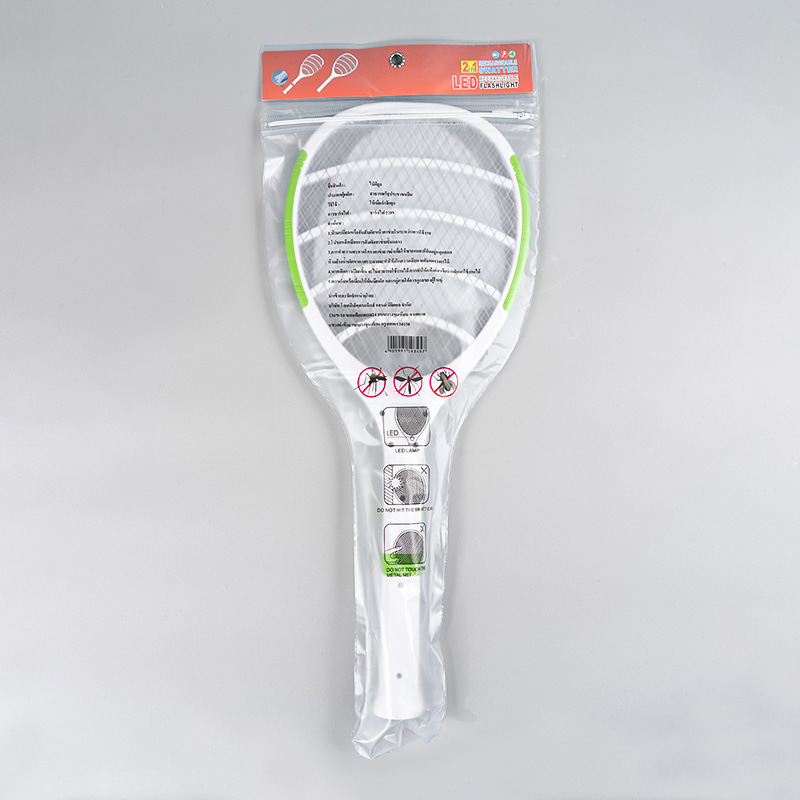 FF-808 Rechargeable Electric Mosquito Swatter with Detachable LightA cordless swatter with a detachable LED flashlight for finding mosquitoes in low light, plus a rechargeable battery and accessible internal maintenance.View Product →
If you choose a bug zapper, check its weather rating, bulb type, grid accessibility, collection tray, and whether it has a timer or light sensor. Place it away from patios, play areas, and doors so dead insects do not fall where people eat or gather. No zapper should be treated as a substitute for repellent or habitat control.
If you choose an electric swatter, look at battery type, charging method, safety mesh, handle grip, and whether a light or folding design suits your space. From our production experience making electric mosquito swatters, the most useful models are often the ones that are easy to keep charged and simple to clean, rather than the ones with the longest feature list.
For a no-outlet backup, a simple battery-powered swatter is easy to keep ready by the door. It will not recharge from a wall, but it also will not be useless when the power is out.
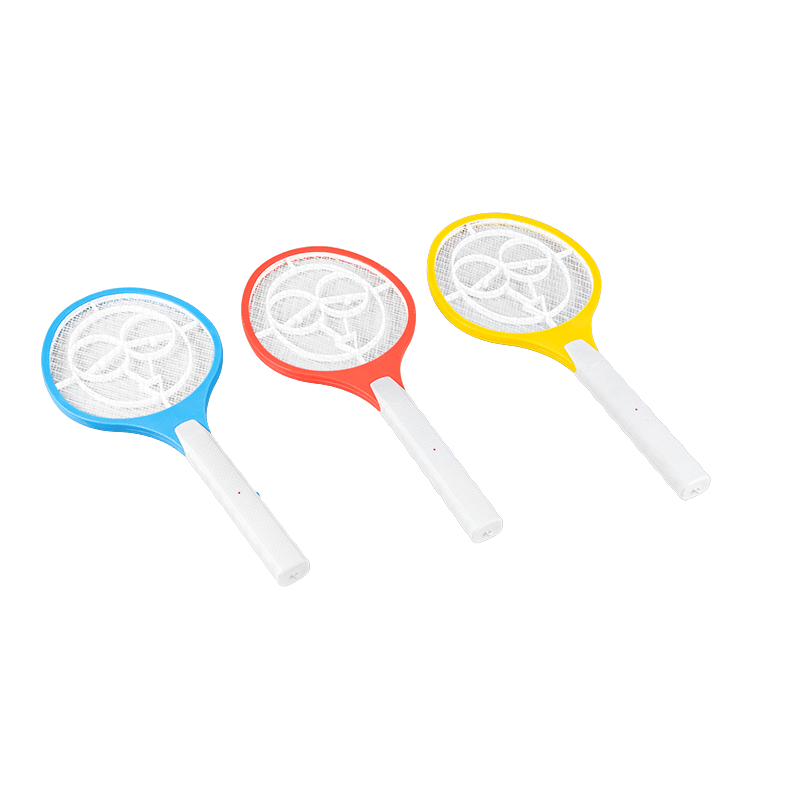 FF-008 AAA Battery-Powered Electric Mosquito SwatterA cordless swatter powered by replaceable AAA batteries, designed for quick indoor mosquito control and comfortable use during summer.View Product →
Bug zappers do not only work at night. They can operate whenever they have power, and some are designed to start at dusk through a light sensor. The more important point is that a glowing grid is not a targeted mosquito-control device. Mosquitoes are drawn by carbon dioxide, body heat, and moisture more than by ultraviolet light, so a zapper may catch plenty of other insects while leaving biting mosquitoes alone.
Use nighttime as a guide, not a rule. Run a zapper only where and when it makes sense, keep it away from people, and pair it with habitat control and personal protection. For close-range control, a well-chosen electric mosquito swatter gives you a direct answer whenever a mosquito appears, day or night.
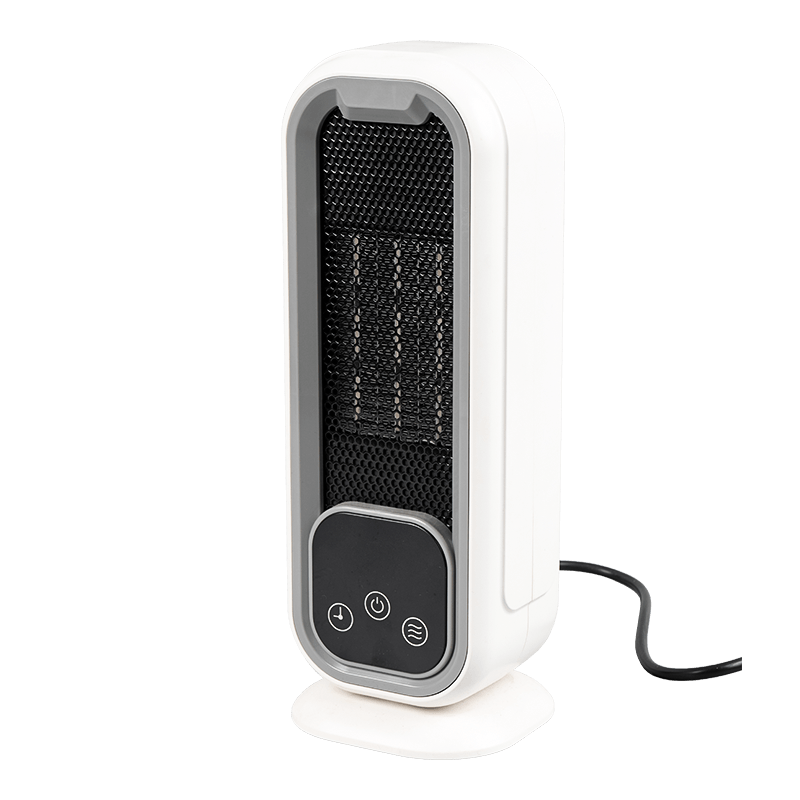 FF-666 Portable Fan Heaters with Display Screen
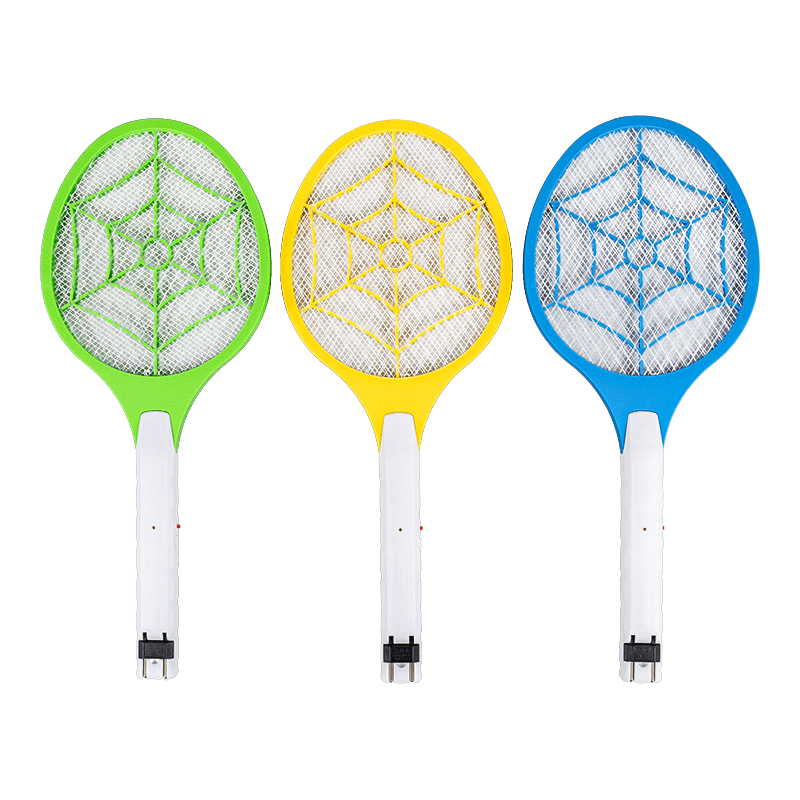 FF-007 3-Color Brazilian Plug Lead-Acid Battery 400mAh Electric Mosquito Swatter
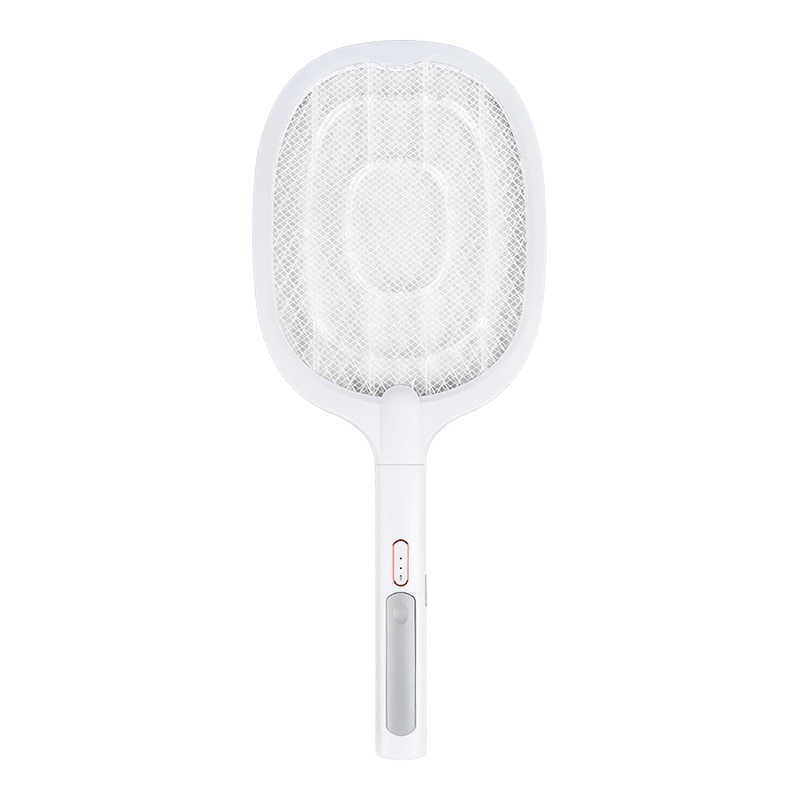 FF-888 1200mAh Round LED Mosquito Swatter USB Rechargeable
 FF-918 500mAh Embroidery LED Mosquito Swatter USB Rechargeable
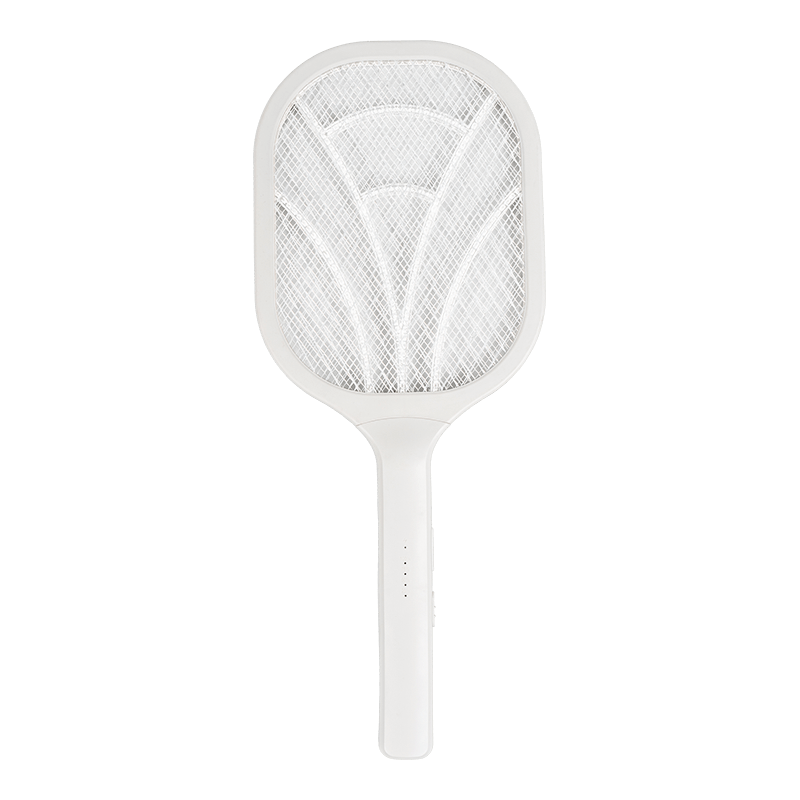 FF-919 1200mAh Embroidery LED Mosquito Swatter USB Rechargeable
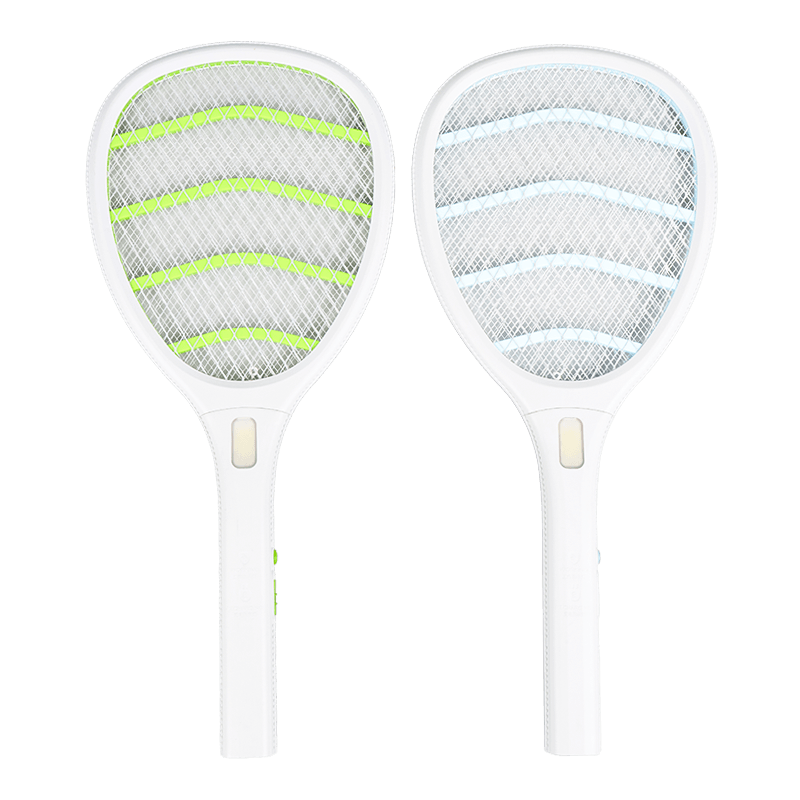 FF-987 500mAh Dual-Color LED Mosquito Swatter USB Rechargeable
On a warm summer evening, few things disrupt outdoor relaxation quite like the persistent buzz of mosquitoes and other flying insects. For ...
READ MOREAir tents — also called inflatable or airbeam tents — have quietly transformed family camping over the past decade. Where once you needed a...
READ MOREOne question we hear a lot at our workshop is: what color lights do mosquitoes hate? It sounds as though there should be a simple answer—ma...
READ MOREDo Electronic Bug Zappers Work on Mosquitoes? The Direct Answer No, electronic bug zappers are largely ineffective against mosquitoes. Univ...
READ MORE+86-574-62470728
+86-13736064888
No.1, Fuchuan Hill, Zhishan Village, Yangming Subdistrict, Yuyao City, Zhejiang Province, China

Copyright © Zhejiang Yuyao Fenfa Electric Technology Co., Ltd. All Rights Reserved.
 Custom Electric Handheld Bug Zapper Factory
 Previous