 EN
 English
 中文简体
 Español
 عربى
News
Home / News / Industry News / Does Blue Light Keep Mosquitoes Away? A Practical Guide for Bug-Free Evenings

Content
Blue light does not keep mosquitoes away. It is not a repellent, and it does not create a protective zone around a patio or bed. In many situations, blue and ultraviolet light can attract flying insects, or at least give them a visual cue. If you want fewer bites, the better approach is to understand why mosquitoes come to you and to use tools that interrupt that process.
No. Mosquitoes are not repelled by blue light. Their host-seeking behavior is driven mainly by carbon dioxide, body heat, body odor, and visual contrast. Light can help them navigate, but it does not work like an invisible fence. A bright blue lamp may even make a seating area more noticeable to insects.
This is where many people get confused. A blue glow can be useful inside an insect trap because it draws insects toward a capture point. That is attraction, not repellency. A lamp left on over a doorway has no capture point and no separation between the light and the people nearby.
Mosquitoes see and respond to light differently from humans. Many flying insects are drawn to short wavelengths, including ultraviolet and blue. Trapping studies often report more insects near blue or UV light than near warmer light. One study on Anopheles mosquitoes found blue light attracted a substantial share of the catch, more than the incandescent control. Results vary by species, time of night, and surrounding conditions, but the direction is consistent enough to be useful: blue is not a reliable “keep out” signal.
It also helps to separate attraction from control. A light that pulls mosquitoes into a trap placed far from people can reduce bites in that spot. The same light hung beside a dinner table may simply concentrate activity where you do not want it. If a door opens and closes nearby, the glow can become a welcome sign rather than a warning.
Light studies are messy because mosquito species behave differently and because light is only one cue. Still, the practical pattern is fairly clear: cool, bright light is more likely to attract insects than warm light, and no light color is a true repellent.
| Light type | Typical observation | Practical takeaway |
|---|---|---|
| Blue or UV | Often attractive to mosquitoes and other flying insects | Useful inside a trap, not as a repellent |
| Cool white | Can be visible and attractive to insects | Keep it away from open doors and seating areas |
| Warm yellow or red | Generally less attractive than blue, UV, or cool white | A calmer choice for outdoor lighting, but not a solution on its own |
| Darkness | Reduces visual cues but does not remove carbon dioxide or body odor | Pair with screens, fans, and nets |
Warm yellow or red light is generally less attractive than blue, UV, or cool white. That makes it a calmer choice for outdoor lighting, but it will not stop a mosquito that has already smelled carbon dioxide. Darkness reduces visual cues, but it does not remove the need for screens, fans, or nets.
A blue bug zapper looks effective. The zap is loud, the light is bright, and the tray fills with insects. But the catch is not usually a clean tally of biting mosquitoes. Many zappers kill moths, beetles, and other harmless or beneficial insects. Biting mosquitoes may be a small part of the total, and a lamp near a patio can draw insects toward the area where people are sitting.
That does not mean a zapper is useless in every setting. It means the glow should not be confused with repellency. If you use one, place it away from seating and doors, and empty it regularly. Do not rely on it as your only defense.
Effective mosquito control is usually boring and physical. Start with the routes they use to reach you, then add a response tool for the ones that get through.
For example, a home swatter such as the FF009 combines a 400 mAh lead-acid battery, plug-in charging, and an LED light. It is the sort of tool you keep by the bedroom door for a quick response, not a lamp you leave on as a repellent. If you want a broader comparison of formats, our range of electric mosquito swatters includes home, battery-powered, and multifunctional designs.
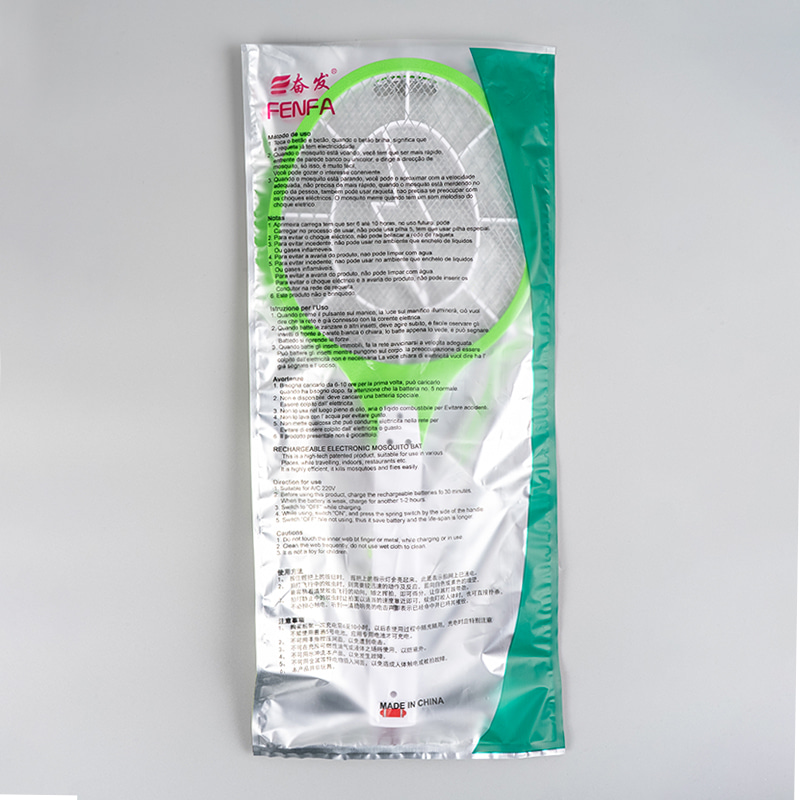 FF009 Home Electric Mosquito Swatter with LED LightA plug-in rechargeable home swatter with LED light, 400mAh lead-acid battery, and protective mesh for quick indoor mosquito response.View Product →
It also helps to know how an electric mosquito swatter works so you can use it safely and avoid touching the grid. The key point is simple: the swatter is a response tool, not a light-based repellent.
Blue light is not useless. A small LED on a mosquito swatter helps you find the grid, check a dark corner, or avoid tripping in a tent. The light is for your eyes, not for driving mosquitoes away. The difference is location and intent: a focused beam on a hand tool is not the same as a bright blue lamp lighting an entire patio.
For travel, a folding USB-rechargeable swatter can be convenient because it packs easily and charges from a power bank. The FF881, for instance, has a foldable body, USB charging, and a display screen that makes battery status easier to read.
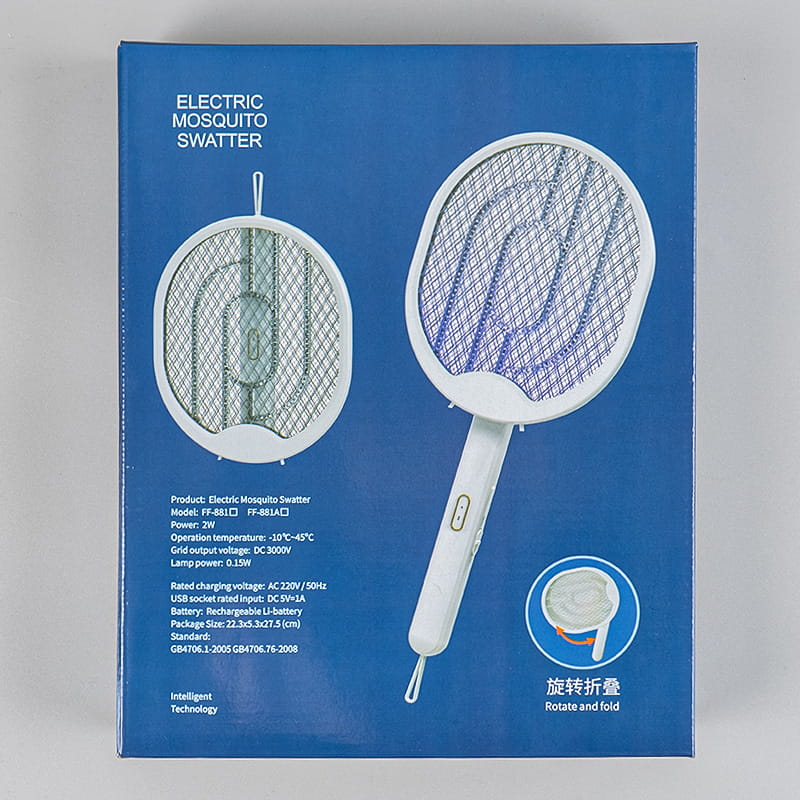 FF881 Foldable USB-Rechargeable Mosquito Swatter with DisplayA foldable USB-rechargeable swatter for travel or home use, with battery display and protective auto power-off for convenient carrying.View Product →
Use the light briefly, make the catch, and switch it off. Leaving a bright glow beside an open window is not an anti-mosquito strategy.
When people ask whether blue light keeps mosquitoes away, they are often really asking how to make the evening more comfortable. A swatter should match your space, your power source, and your habits. In our experience working with mosquito-swatter designs, the most useful features are usually the least dramatic: a comfortable handle, a clear grid, a reliable charge, and a light that helps you aim.
If you have wall power, a plug-in rechargeable home model is simple. If you camp, travel, or face uncertain power, an AAA-battery or USB-chargeable model is easier. For a no-charge option, the FF008 runs on AAA batteries and is handy for a balcony, a cabin, or a power outage.
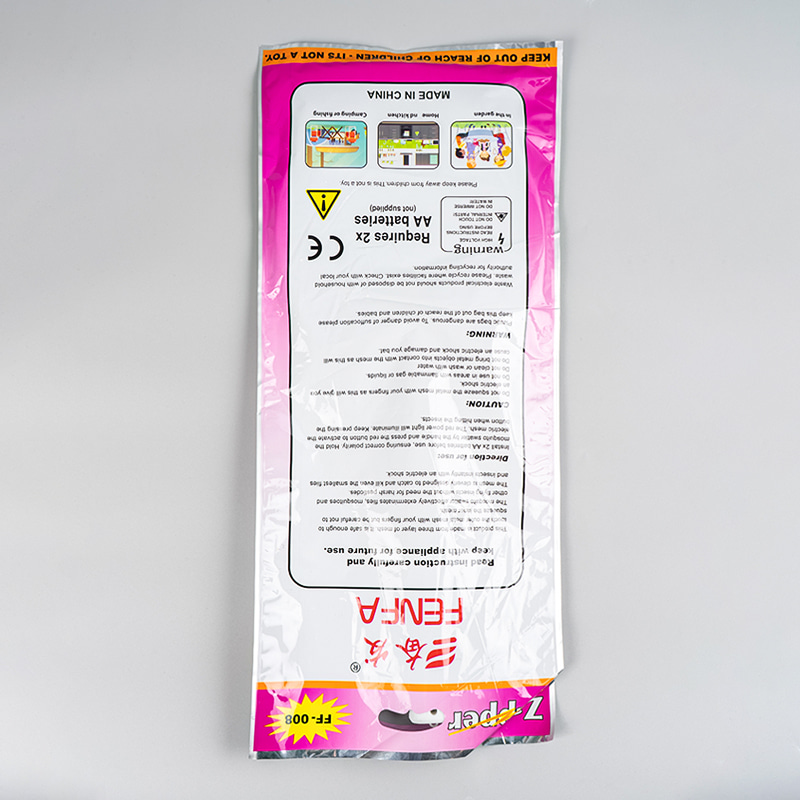 FF008 AAA Battery-Powered Electric Mosquito SwatterA cordless AAA-battery swatter for balconies, cabins, or outages, offering simple mosquito control without charging or wall power.View Product →
Check the safety instructions, keep the swatter away from children, and never touch the inner grid. A blue lamp on a shop shelf may catch your eye, but the battery type, charge method, and build quality will matter more after the first week.
Blue light does not keep mosquitoes away. In many cases it can draw them closer, or at least make your outdoor space more visible. The better question is not “which light repels mosquitoes?” but “what keeps them from reaching me?” Screens, airflow, standing-water control, repellent, and a well-made electric swatter will do more than any blue bulb.
Keep a swatter within reach, use outdoor lighting thoughtfully, and remove the water sources where mosquitoes breed. That is a more reliable kind of comfort, and it does not depend on a myth about blue light.
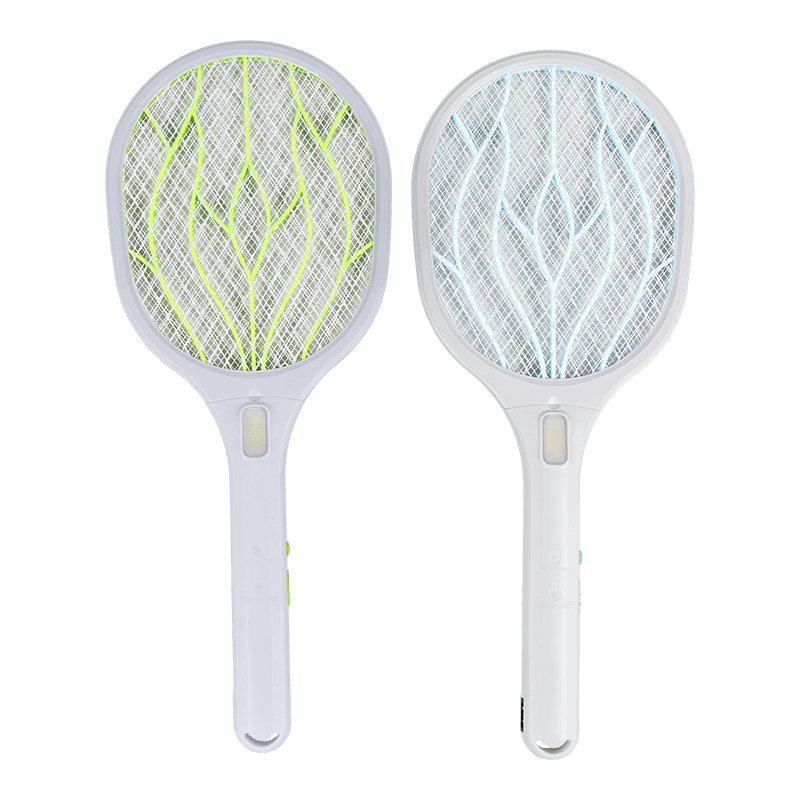 FF-988A 400mAh Portable Electric Mosquito Swatter with Light and Figure-Eight Cord
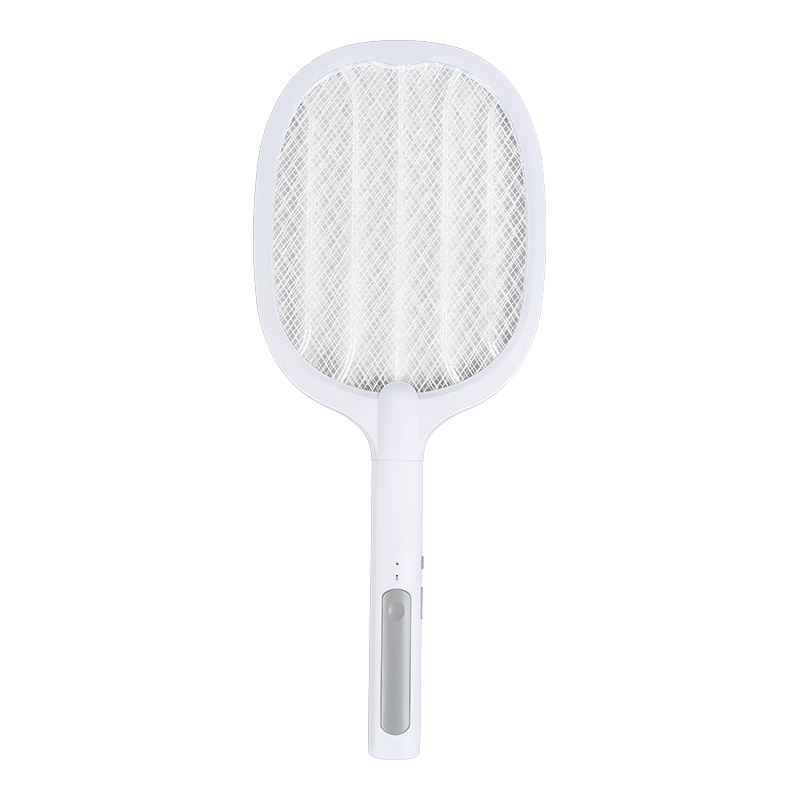 FF-878 1200mAh Embroidery Light Electric Mosquito Swatter with Base
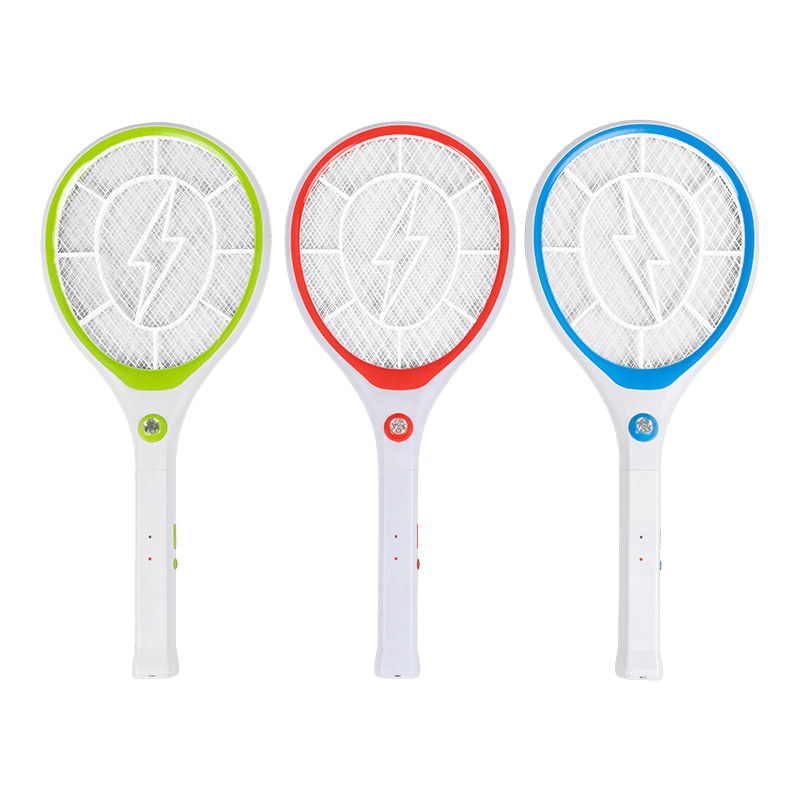 FF-787A 3-Color LED Solar with Plug Lead-Acid Battery 400mAh Electric Mosquito Swatter
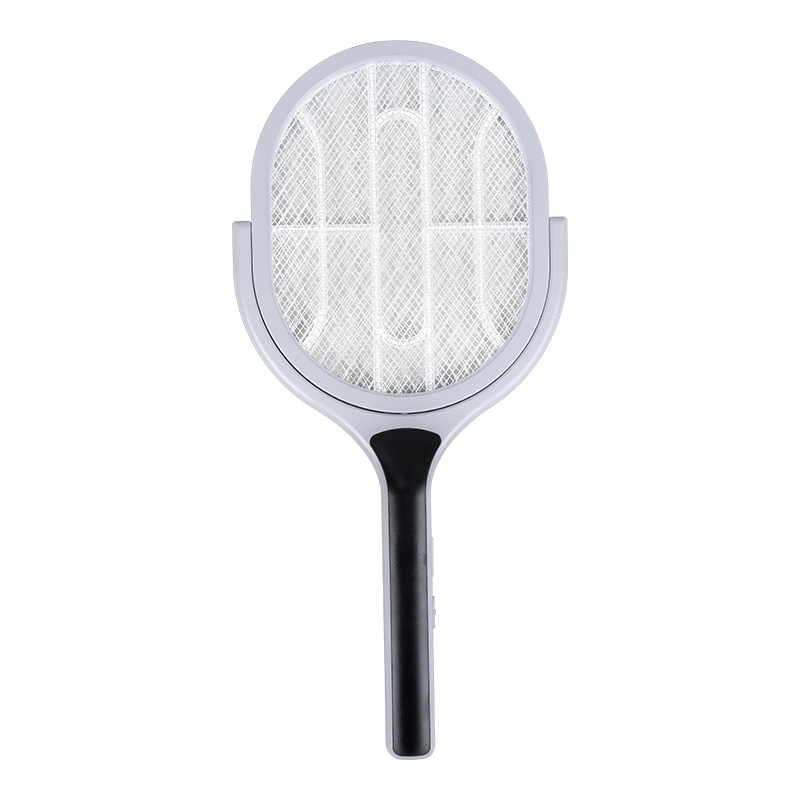 FF-999A 1200mAh Single-Color Embroidery LED Mosquito Swatter Foldable Display USB Rechargeable
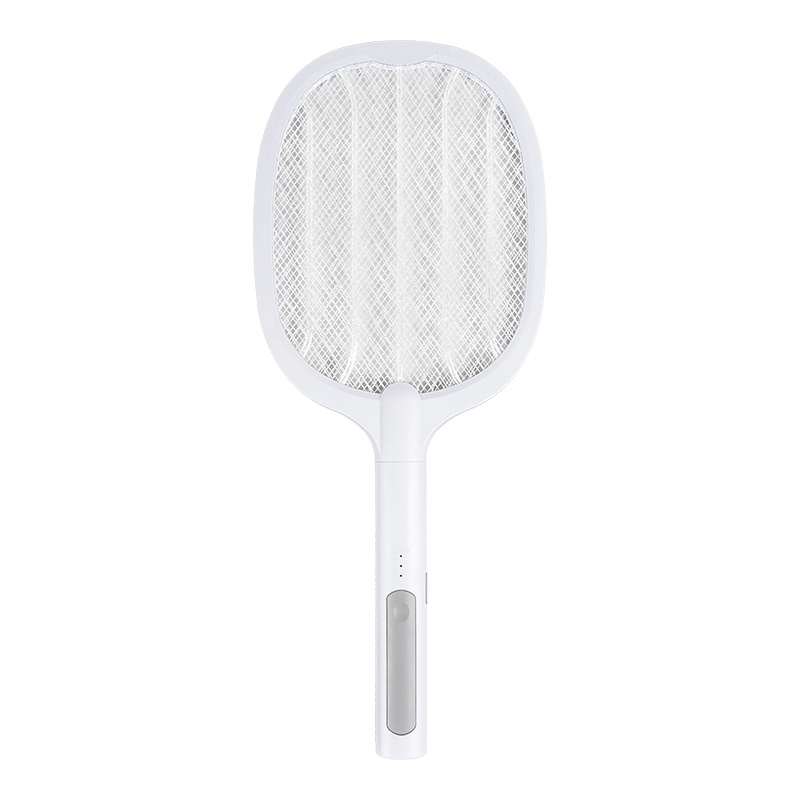 FF-888 1200mAh Five-Level LED Mosquito Swatter USB Rechargeable
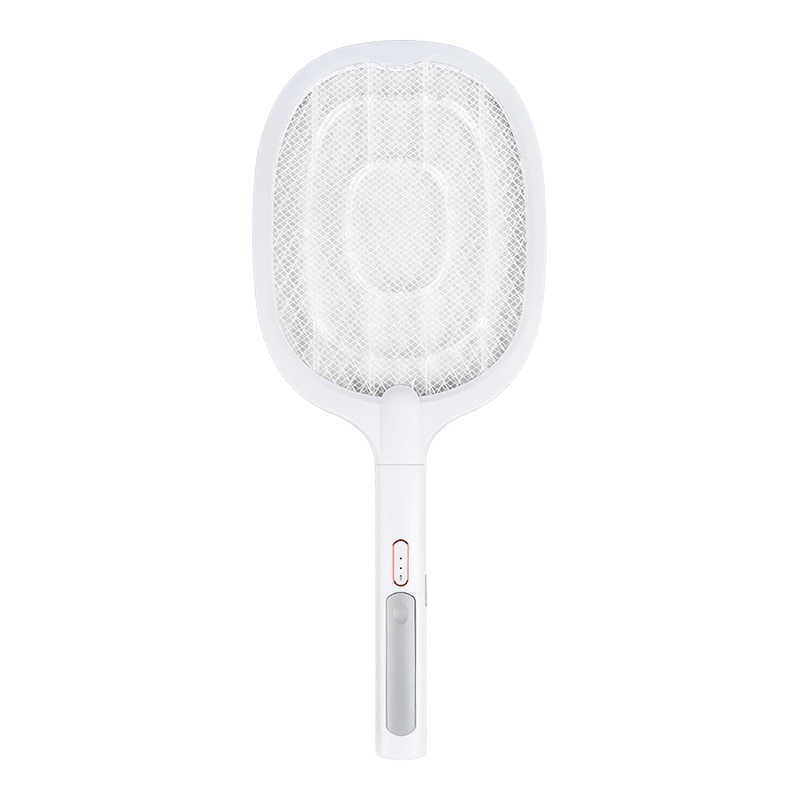 FF-888 1200mAh Round LED Mosquito Swatter USB Rechargeable
One question we hear a lot at our workshop is: what color lights do mosquitoes hate? It sounds as though there should be a simple answer—ma...
READ MOREShort answer: no. A bug zapper does not only work at night. If it has power, it can run at noon, at dusk, or at 2 a.m. The confusion comes ...
READ MOREEvery summer, the hunt for an effective, chemical-free mosquito solution sends millions of people toward electric fly swatters — those te...
READ MOREMosquitoes are more than a seasonal nuisance. They are carriers of serious diseases such as dengue, malaria, and West Nile virus, which mak...
READ MORE+86-574-62470728
+86-13736064888
No.1, Fuchuan Hill, Zhishan Village, Yangming Subdistrict, Yuyao City, Zhejiang Province, China

Copyright © Zhejiang Yuyao Fenfa Electric Technology Co., Ltd. All Rights Reserved.
 Custom Electric Handheld Bug Zapper Factory
 Previous