 EN
EN  English
 中文简体
中文简体 Español
 عربى
عربىNews
Content
- 1 Do Electronic Bug Zappers Work on Mosquitoes? The Direct Answer
- 2 Why UV Bug Zappers Miss the Mark on Mosquitoes
- 3 What Actually Attracts and Kills Mosquitoes Effectively
- 4 How Electric Mosquito Swatters Work
- 5 Bug Zapper vs. Electric Mosquito Swatter vs. CO2 Trap
- 6 Building an Effective Mosquito Control Routine
- 7 Safety Tips for Using an Electric Mosquito Swatter
Do Electronic Bug Zappers Work on Mosquitoes? The Direct Answer
No, electronic bug zappers are largely ineffective against mosquitoes. University entomology studies have found that mosquitoes typically make up less than 10% of the insects killed by UV light bug zappers, with the majority of casualties being harmless moths, beetles, and other non-biting insects that are actually beneficial to the ecosystem. Mosquitoes are drawn primarily to carbon dioxide, body heat, and skin odor rather than UV light, so a device relying on light attraction misses the biological cues that actually draw mosquitoes toward a target.
This article explains why bug zappers fall short against mosquitoes specifically, what does work, and how an electric mosquito swatter fits into an effective mosquito control routine.
Why UV Bug Zappers Miss the Mark on Mosquitoes
Bug zappers work by attracting insects to a UV light source and then electrocuting them on a charged grid. This method works well for insects that are genuinely phototactic — drawn toward light — such as moths and certain beetles. Mosquitoes, however, locate hosts using a combination of exhaled carbon dioxide, lactic acid, and body heat, detected from over 100 feet away in some species, meaning a stationary UV light several feet away holds little appeal compared to a live, breathing target.
What the Research Shows
A widely cited University of Delaware/University of Notre Dame field study analyzing insects killed by residential bug zappers over a full season found that biting insects, including mosquitoes, represented a small fraction of the total kill count, while the vast majority were non-pest insects that play a role in pollination and local food chains.
What Actually Attracts and Kills Mosquitoes Effectively
Devices that genuinely reduce mosquito populations mimic human cues rather than relying on light. The most effective residential options include:
- CO2-emitting mosquito traps, which release carbon dioxide and heat to closely mimic a human host, drawing mosquitoes into a capture chamber
- Octenol and lactic acid lures, chemical attractants added to traps to further mimic human scent
- Standing water elimination, which removes breeding sites and can reduce local mosquito populations far more than any single device, since a single stagnant puddle can produce hundreds of new mosquitoes within 7-10 days
- Electric mosquito swatters, which offer direct, on-demand control for mosquitoes already inside a room
How Electric Mosquito Swatters Work
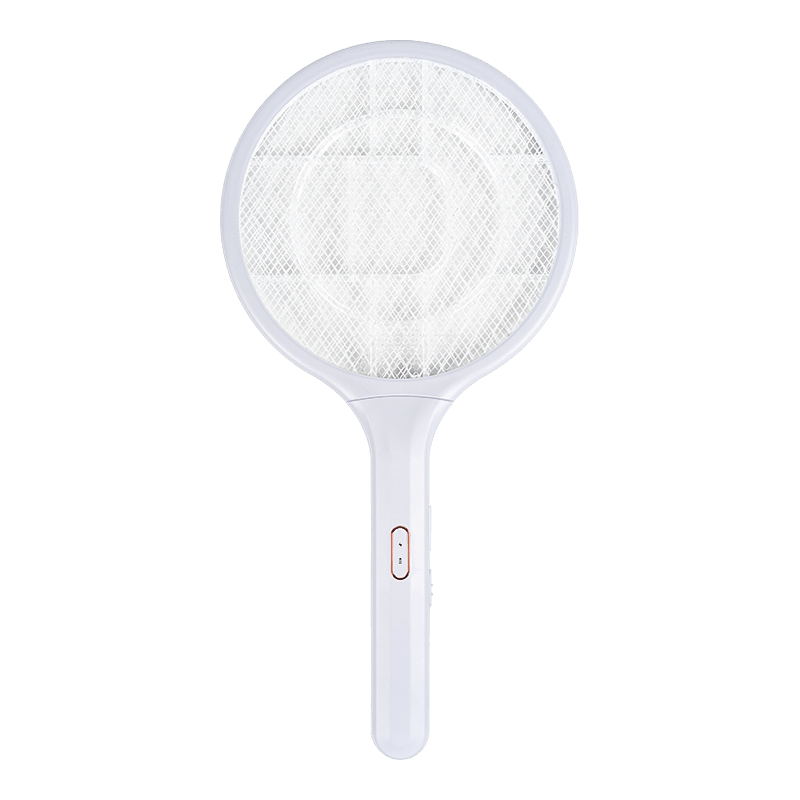
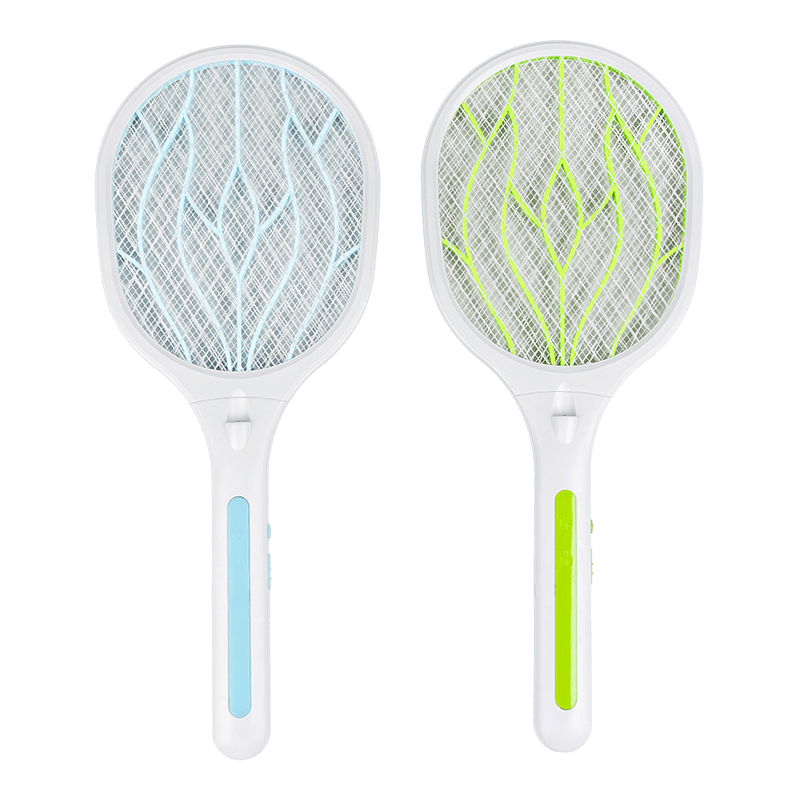
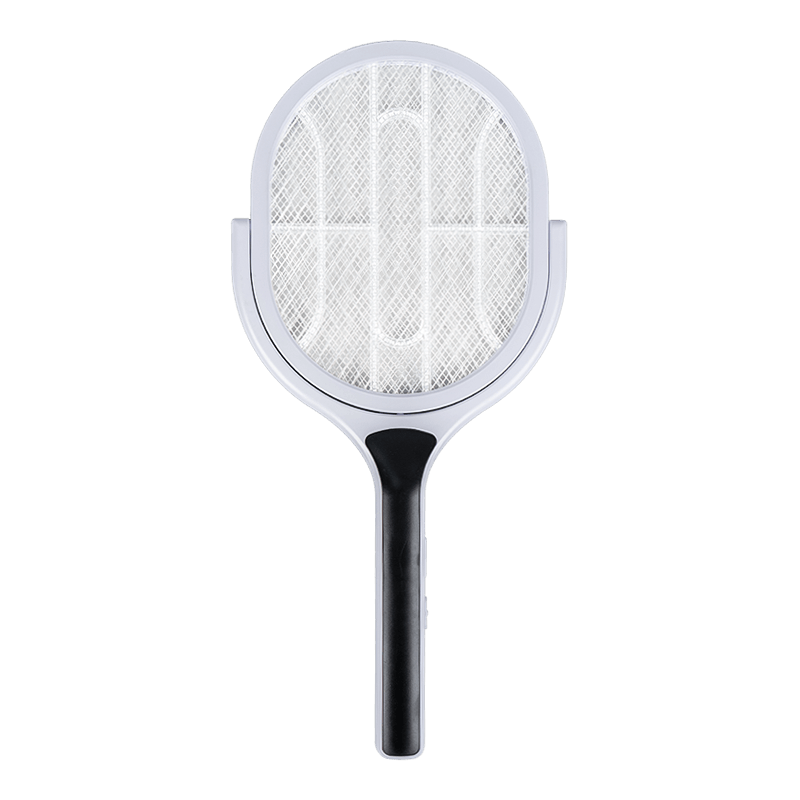
An electric mosquito swatter looks like a tennis racket and consists of a mesh grid charged to 1,500-3,000 volts by an internal battery and step-up transformer. Unlike a UV bug zapper, it requires no attraction mechanism at all — the user simply swings it at a visible mosquito, and contact with the charged mesh delivers a brief electric shock that kills the insect instantly, with a small audible crack confirming the hit.
Why This Approach Is More Reliable
Because the electric mosquito swatter relies on the user's own targeting rather than passive attraction, it achieves a near 100% success rate on contact, compared to the low single-digit mosquito capture rates typical of UV zappers. It's particularly effective for eliminating mosquitoes that have already entered a bedroom or living space, where a light-based trap would do little to address the immediate problem.
Bug Zapper vs. Electric Mosquito Swatter vs. CO2 Trap
| Device | Attraction Method | Mosquito Effectiveness |
|---|---|---|
| UV Bug Zapper | Ultraviolet light | Low, under 10% of catch is mosquitoes |
| Electric Mosquito Swatter | Manual targeting | High, near 100% on direct contact |
| CO2 Mosquito Trap | CO2 and heat mimicry | High for outdoor population reduction |
| Citronella Candle | Scent masking | Low to moderate, short range only |
Building an Effective Mosquito Control Routine
- Eliminate standing water around the home weekly, including gutters, plant saucers, and unused containers
- Install or repair window and door screens to prevent mosquitoes from entering living spaces
- Use a CO2-based trap for reducing outdoor populations in yards and patios over time
- Keep an electric mosquito swatter on hand for immediate, on-demand elimination of mosquitoes indoors
- Apply EPA-registered mosquito repellent to skin when spending time outdoors during peak activity hours, typically dawn and dusk
Safety Tips for Using an Electric Mosquito Swatter
Keep electric mosquito swatters out of reach of young children, since the charged mesh grid can deliver an unpleasant static-like shock if touched directly, even though the voltage is designed to be safe for brief human contact. Avoid using the swatter near open flames or flammable aerosols, as sparking on contact with an insect can occasionally ignite nearby vapors in poorly ventilated spaces.
Store the swatter in a dry location and recharge it fully before extended use, since most models rely on a rechargeable battery that powers the internal transformer — a fully charged unit typically delivers reliable shocks for several hundred kills before needing to be recharged again.
 Previous