 EN
EN  English
 中文简体
中文简体 Español
 عربى
عربىNews
Home / News / Industry News / Is the FF-999A Foldable USB Rechargeable Swatter the Ultimate Chemical-Free Solution for Modern Homes and Camping?

Content
Mosquitoes are more than a seasonal nuisance. They are carriers of serious diseases such as dengue, malaria, and West Nile virus, which makes effective control essential for every household. While chemical sprays and insecticides are widely available, growing concerns about their impact on human health, pets, and the surrounding ecosystem have pushed many people toward chemical-free mosquito control. This approach relies on natural, sustainable, and often equally effective strategies to reduce mosquito populations without introducing harmful toxins into the home environment.
Traditional mosquito control products often contain synthetic compounds like pyrethroids or DEET-based formulas. Although these can be effective in the short term, repeated exposure has raised concerns regarding skin irritation, respiratory issues, and long-term effects on children and pets. Chemical-free methods avoid these risks entirely while also protecting beneficial insects such as bees and butterflies, which are often harmed by broad-spectrum insecticides.
A safe and lasting solution to mosquito problems usually combines several natural strategies rather than relying on a single product or method.
Before exploring control methods, it helps to understand how mosquitoes reproduce. Female mosquitoes lay eggs in standing water, which can be found in flower pots, gutters, birdbaths, old tires, and even bottle caps. Eggs can hatch within a week under warm conditions, and a single female can produce hundreds of offspring during her lifetime. This is why source reduction is considered the foundation of any chemical-free mosquito control plan.
The single most effective chemical-free strategy is removing breeding sites around the home. Consider the following steps as part of a regular routine:
Certain plants release scents that mosquitoes naturally avoid. Adding these to a garden, patio, or balcony can serve as a passive and attractive line of defense.
Chemical-free mosquito control is not about a single quick fix but rather a sustained, layered approach that protects both people and the surrounding environment. By focusing on prevention through source reduction, supporting natural predators, and using plant-based repellents, households can significantly lower mosquito activity without relying on synthetic chemicals. Over time, these methods often prove just as effective as conventional treatments while offering the added benefit of supporting a healthier outdoor ecosystem.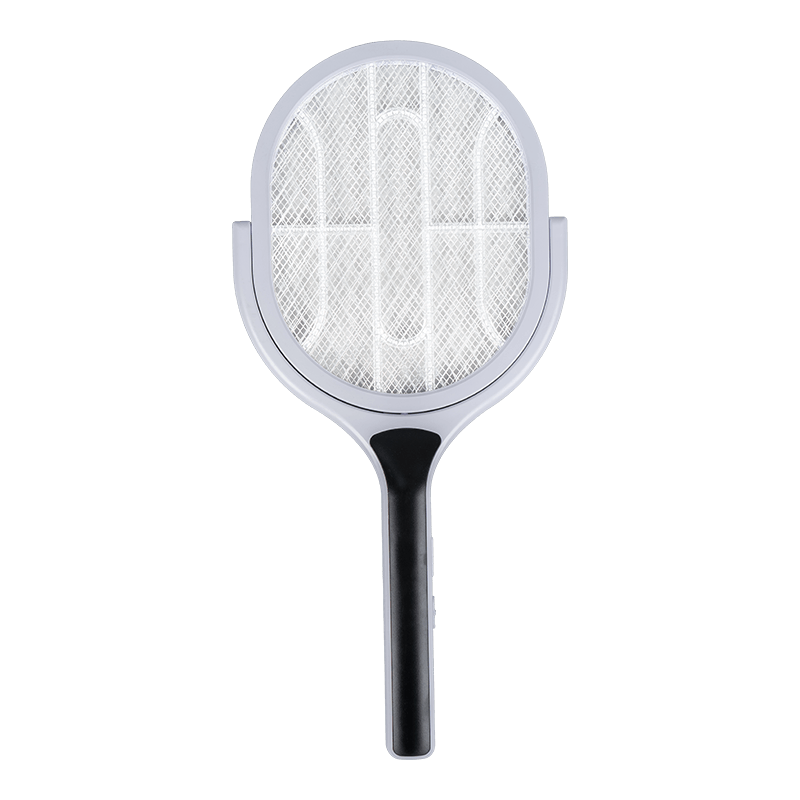 FF-999A 1200mAh Single-Color Embroidery LED Mosquito Swatter Foldable Display USB Rechargeable
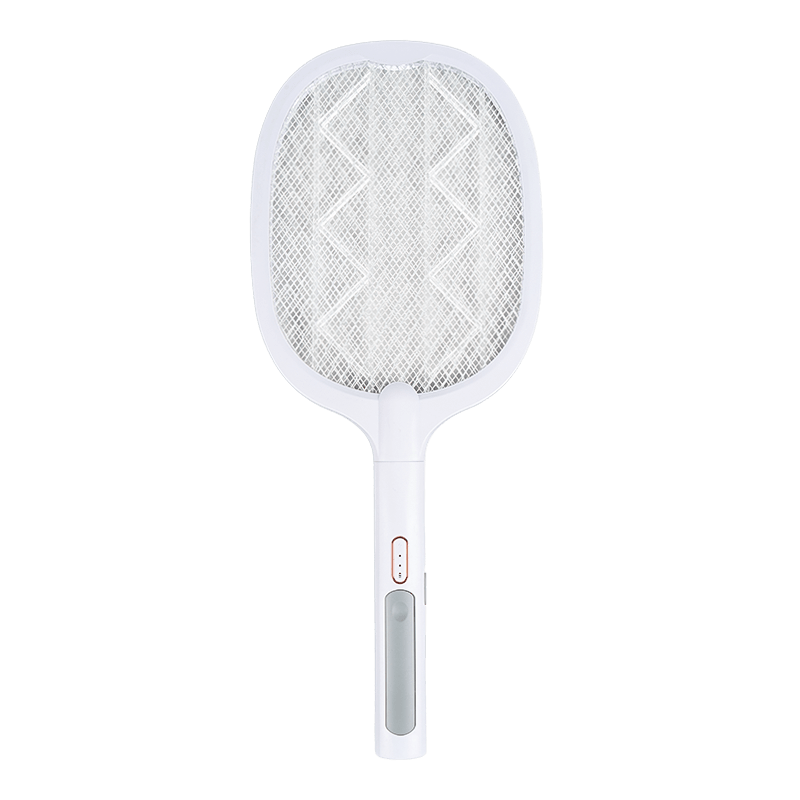 FF-888 1200mAh Wave LED Mosquito Swatter USB Rechargeable
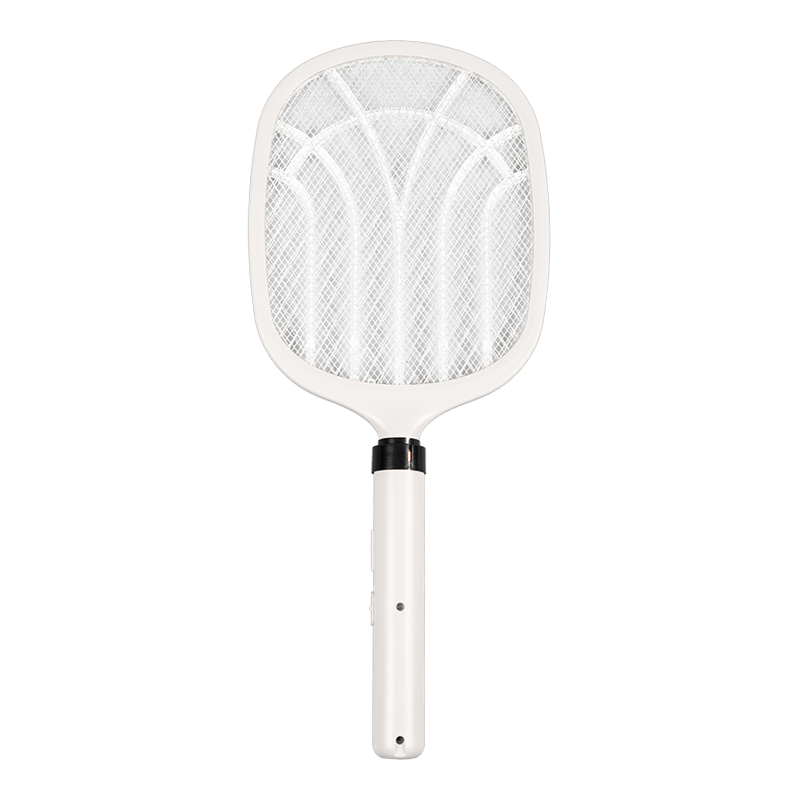 FF-883 1200mAh Embroidered Pattern Lamp USB Base Rechargeable Electric Mosquito Swatter
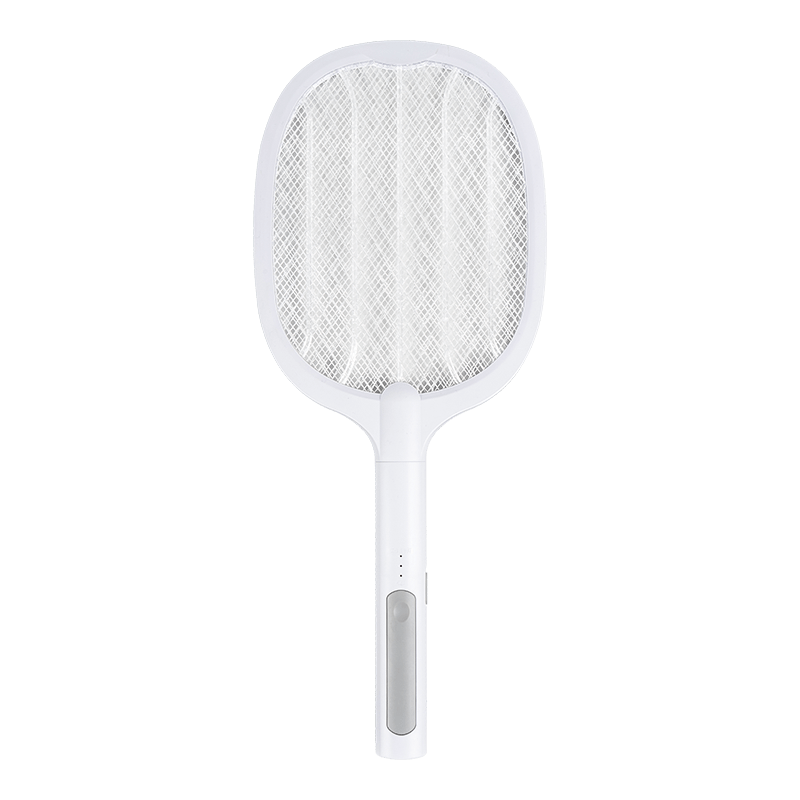 FF-888 1200mAh Five-Level LED Mosquito Swatter USB Rechargeable
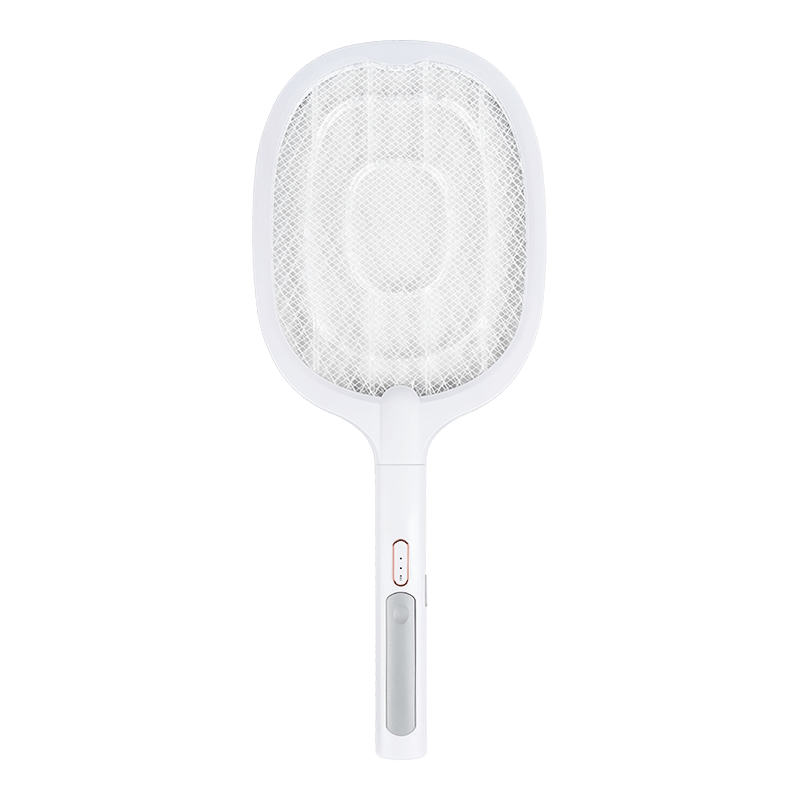 FF-888 1200mAh Round LED Mosquito Swatter USB Rechargeable
 FF-918 500mAh Embroidery LED Mosquito Swatter USB Rechargeable
Chemical-free mosquito control encompasses the full range of physical, biological, environmental, and technological strategies used to redu...
READ MOREMosquitoes remain one of the most persistent nuisances in both indoor and outdoor living spaces, and for decades households have relied on...
READ MOREMosquitoes remain one of the most persistent nuisances in daily life, disrupting sleep, interrupting outdoor gatherings, and in many region...
READ MOREWhether you are deep in a pine forest, perched beside a lakeside campsite, or trekking through a tropical trail, mosquitoes remain one of t...
READ MORE+86-574-62470728
+86-13736064888
No.1, Fuchuan Hill, Zhishan Village, Yangming Subdistrict, Yuyao City, Zhejiang Province, China

Copyright © Zhejiang Yuyao Fenfa Electric Technology Co., Ltd. All Rights Reserved.
 Custom Electric Handheld Bug Zapper Factory
 Previous