 EN
EN  English
 中文简体
中文简体 Español
 عربى
عربىMosquitoes remain one of the most persistent nuisances in both indoor and outdoor living spaces, and for decades households have relied on sprays, coils, and plug-in repellents to keep them at bay. Growing awareness of indoor air quality and chemical sensitivity, however, has pushed many consumers toward a cleaner alternative: the multifunctional chemical-free USB mosquito swatter. This device eliminates mosquitoes through a simple electric shock mechanism, requires no refills or chemical cartridges, and recharges through any standard USB port. This article takes a detailed look at how this device works, why it has become a favored household tool, and what buyers should consider before choosing one.
Defining the Multifunctional Chemical-Free USB Mosquito Swatter
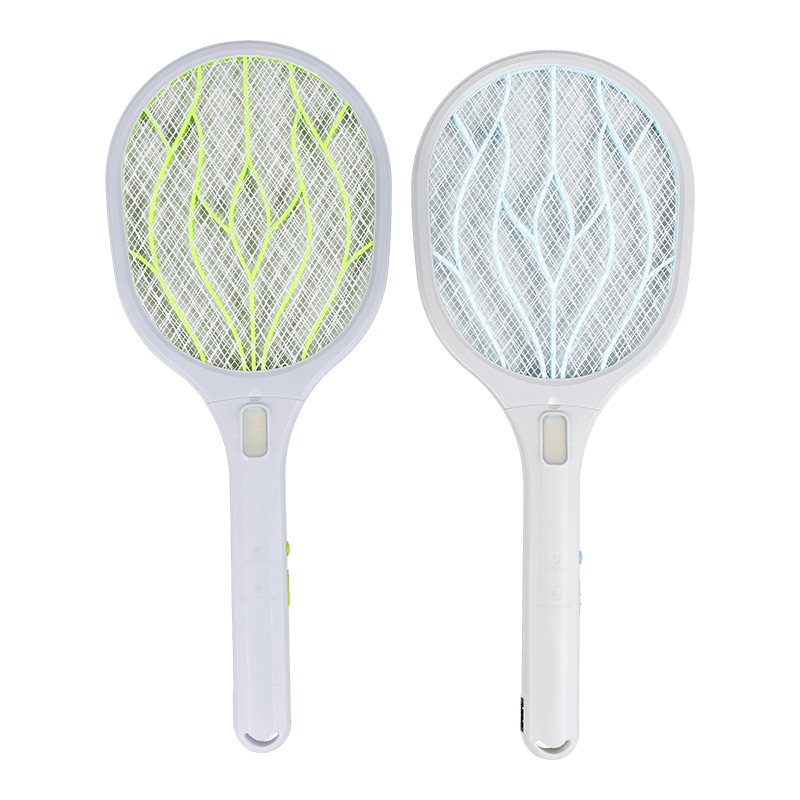
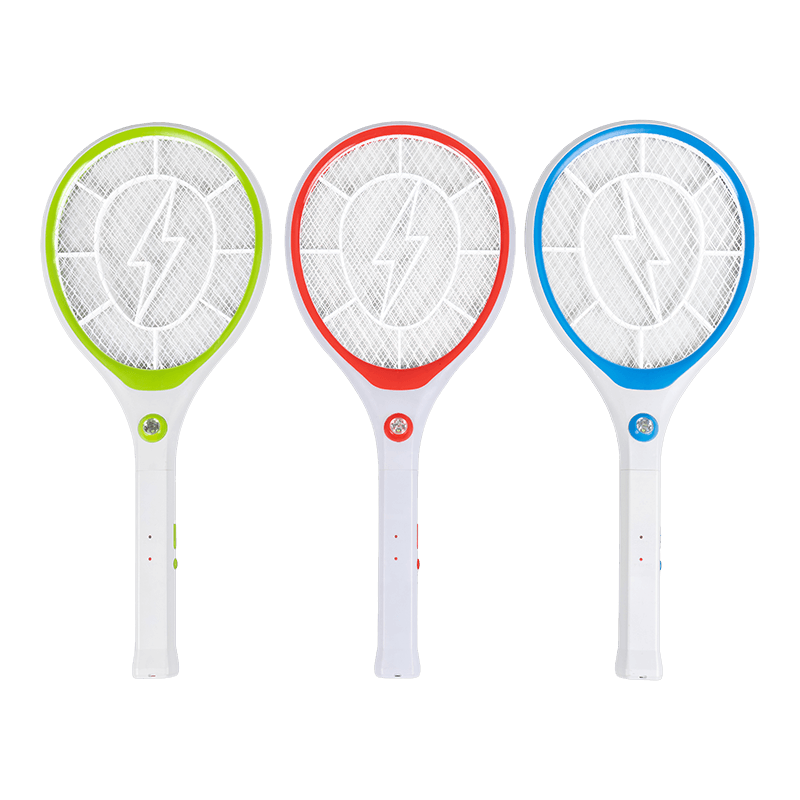
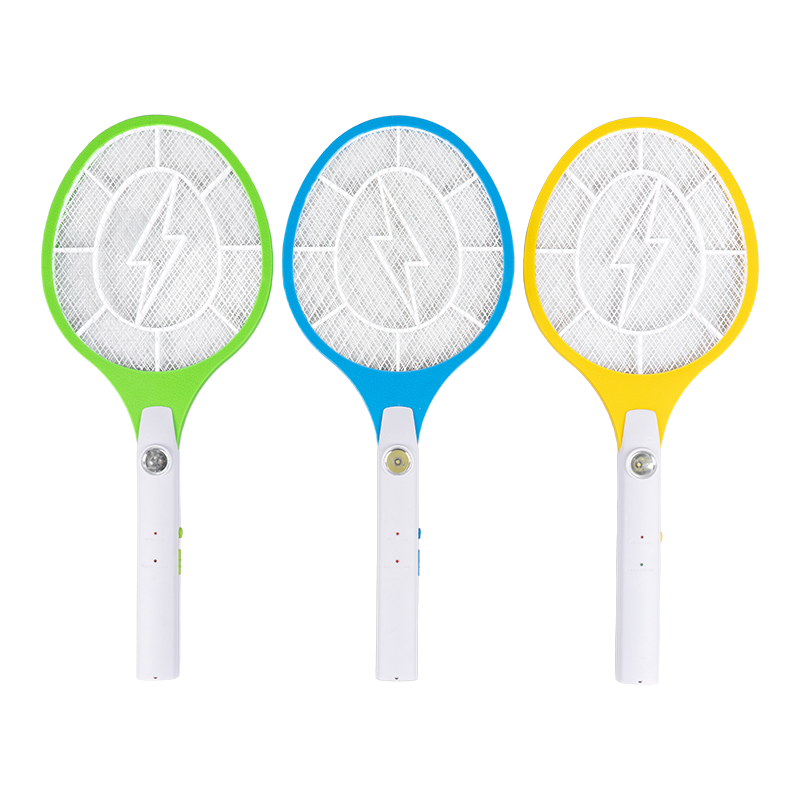
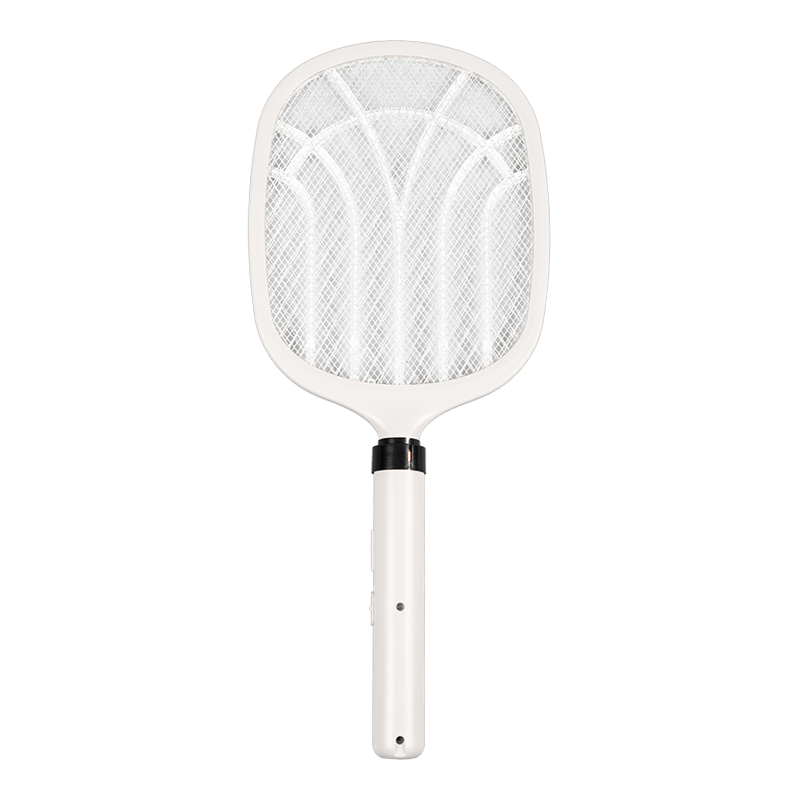
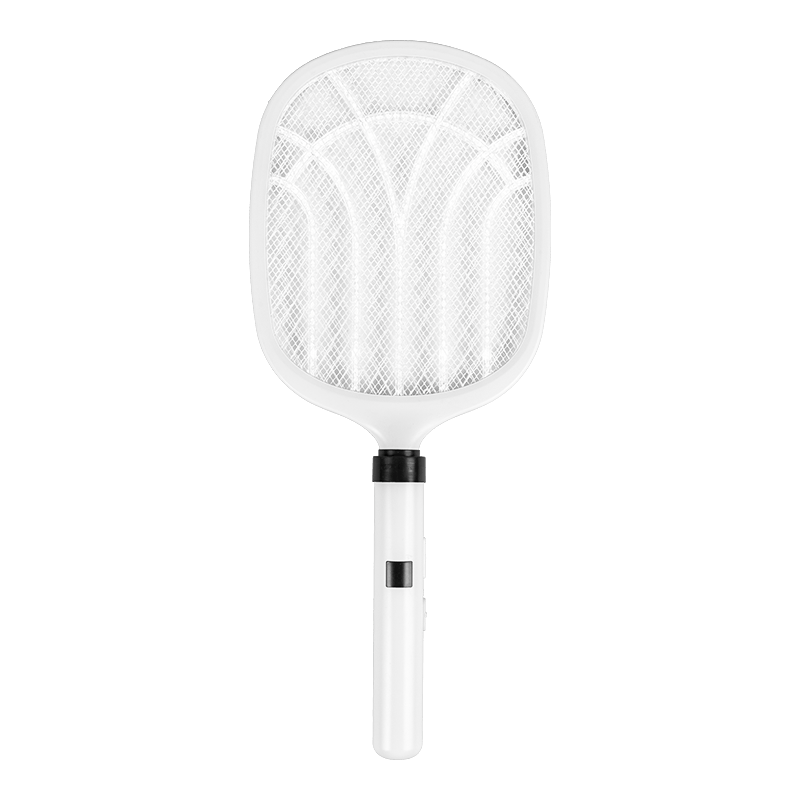
At its core, this device is a handheld electric racket designed to intercept and kill mosquitoes and other small flying insects on contact, without the use of any sprayed or diffused chemical substance. The word multifunctional reflects the fact that most current models bundle several capabilities into a single unit, commonly including an integrated LED flashlight, a foldable handle for compact storage, and in some designs a UV light panel that lures insects toward the striking surface before contact is made.
The chemical-free aspect is central to its appeal. Rather than relying on pyrethroid based sprays or burning coils that release smoke and particulate matter, the swatter's mesh grid carries a brief electrical charge that is only active at the moment of contact, meaning nothing is released into the surrounding air before or after use.
The Mechanics of Electric Mosquito Elimination
Layered Mesh and Electrical Discharge
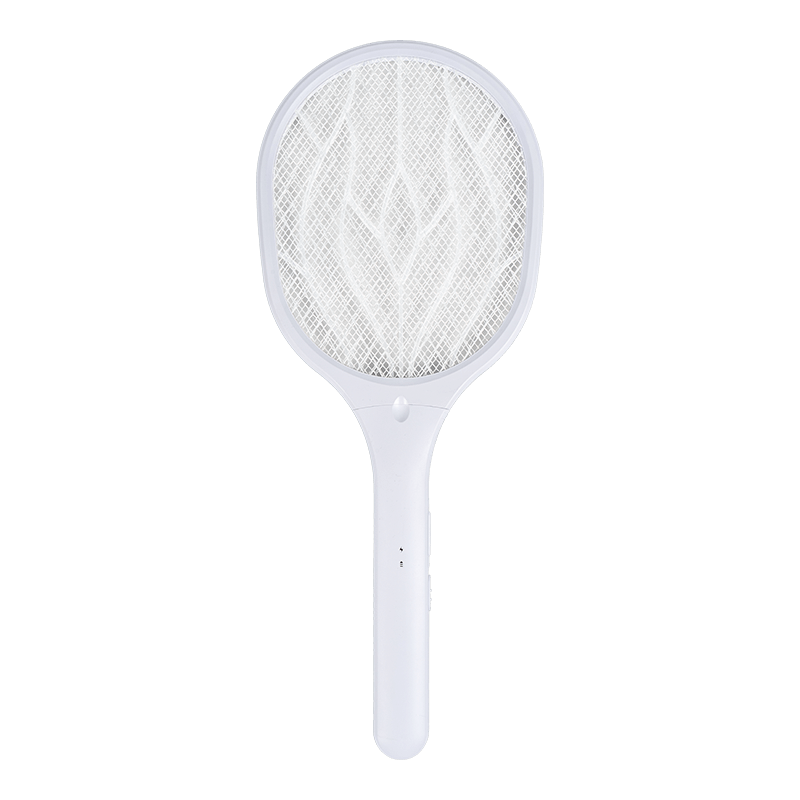
The striking head of the device is typically built from two or three layers of fine metal mesh, separated by small gaps. A small internal transformer circuit converts the low voltage of the rechargeable battery into a much higher voltage pulse across these mesh layers. When an insect bridges the gap between two charged layers, it completes a short circuit and receives an instant, lethal shock. The layered structure is intentional: an outer mesh layer typically acts as an insulating barrier, reducing the chance that a user's fingers can reach the inner charged layer during normal handling.
Rechargeable Battery Technology
Nearly all current models use a built in lithium ion or lithium polymer battery rather than disposable AA or AAA cells found in older swatter designs. This battery is charged via a USB cable connected to a wall adapter, laptop, or power bank, and a full charge typically supports repeated use over several days depending on frequency of use and battery capacity. This design removes the recurring cost and waste associated with disposable batteries while making the device easier to power in almost any setting.
Built In Safety Circuitry
Reputable manufacturers incorporate several protective measures into the circuit design. These often include an activation button that must be held or toggled to energize the mesh, an automatic timeout that de-energizes the grid after a short period of inactivity, and low battery cutoffs that prevent erratic operation as the charge depletes. Together, these features are intended to minimize the risk of accidental shock during normal handling and storage.
Why Chemical-Free Matters
The decision to avoid chemical mosquito control methods is often driven by concerns about indoor air quality, allergies, and the wellbeing of children, pets, and elderly household members. The following points outline why a chemical-free approach has become increasingly attractive.
No Airborne Residue
Traditional mosquito coils and aerosol sprays release fine particulates and active chemical compounds into the air, some of which can linger in enclosed rooms for hours. A USB mosquito swatter produces no such residue, since the killing action is purely mechanical and electrical, confined entirely to the moment of contact.
Reduced Risk for Sensitive Groups
Households with infants, pregnant individuals, asthma sufferers, or pets often need to be more cautious about airborne chemical exposure. A physical elimination method sidesteps this concern entirely, offering a pest control option that does not introduce any new substance into the home environment.
No Lingering Odor
Many chemical repellents leave a distinct smell that some people find unpleasant or irritating. Because the electric swatter relies on physical contact rather than vapor or spray, there is no odor left behind in the room after use.
Multifunctional Features Worth Considering
Integrated LED Flashlight
Many models include a small flashlight built into the handle, which proves especially useful when hunting mosquitoes in dim rooms or using the device outdoors at night. This dual purpose design reduces the number of separate tools needed for evening pest control.
UV Attractant Light
Some advanced versions include a low power ultraviolet light that draws mosquitoes toward the mesh surface, increasing the chances of contact without requiring the user to actively chase each insect. This feature can be particularly helpful in larger rooms or outdoor patio settings.
Foldable and Compact Design
A number of models feature a folding hinge that allows the mesh head to collapse against the handle for safer, more compact storage. This is a useful feature for households with children, as it reduces the chance of the charged mesh being exposed when the device is not in active use.
Buying Guide: Key Factors to Evaluate
Selecting the right multifunctional chemical-free USB mosquito swatter involves more than comparing prices. The table below breaks down the most important factors to weigh during the decision process.
| Factor | Why It Matters |
|---|---|
| Mesh Layer Count | Three layer designs generally provide an added insulating barrier compared to simpler two layer models, reducing accidental contact risk |
| Battery Capacity and Life | Higher capacity batteries reduce how often the device needs recharging, which matters for frequent or extended use |
| Charging Port Standard | USB-C ports are increasingly common and offer faster charging compared to older micro USB connectors |
| Included Extras | Consider whether a flashlight or UV attractant light adds genuine value for your typical usage environment |
| Handle Ergonomics | A comfortable, non-slip grip reduces fatigue and improves control during repeated swatting motions |
| Safety Certifications | Look for evidence of relevant electrical safety testing to confirm the internal circuitry has been properly evaluated |
| Build Durability | A sturdy frame and mesh structure will better withstand repeated impacts and everyday handling over time |
Tip: Before purchasing, check whether replacement parts such as charging cables are readily available, since a proprietary or unusual cable type can become inconvenient if lost or damaged.
Recommended Usage Steps
- Fully charge the device before first use by connecting it to a USB power source and allowing the indicator light to confirm a complete charge.
- Power on the unit using the designated button, checking that the ready indicator or light confirms the mesh is armed for use.
- Approach the mosquito calmly and swing the mesh surface so the insect makes brief contact with the netted grid, completing the circuit.
- Turn the device off immediately after use to conserve battery power and reduce unnecessary strain on the circuitry.
- Store the swatter in a dry, child-safe location, ideally with the mesh head folded or covered if the model supports it.
Caution: Although the shock delivered is brief and generally mild for humans, direct contact with the inner mesh layer while the unit is powered on should always be avoided, and the device should be kept away from small children to prevent unsupervised use.
Cleaning and Long-Term Maintenance
- Turn off and, if possible, remove any residual charge from the device before cleaning the mesh surface.
- Use a small dry brush to gently remove debris from killed insects, keeping the mesh grid clear for consistent performance.
- Avoid submerging the device in water or using damp cloths near the mesh, since moisture can compromise the internal electronics.
- Store in a cool, dry area away from direct sunlight, which can degrade plastic housing over long periods.
- Periodically recharge the battery even during months of low usage to help preserve its long term capacity.
Common Questions Answered
Does the electric shock hurt if a person accidentally touches the mesh
The voltage is engineered to be effective against small insects while producing only a brief, mild tingling sensation if a person makes accidental contact. It is not designed to cause lasting harm, though direct contact should still be avoided as a matter of good practice.
How often does the battery need recharging
This depends on the battery capacity and how frequently the device is used, but many models can go several days to roughly two weeks between charges under typical household conditions.
Can it be used effectively outdoors
Yes, particularly models with a UV attractant light or a durable, compact build. However, most units are not designed for use in wet weather, so exposure to rain or heavy moisture should generally be avoided unless the product specifically states a water resistance rating.
Is this a complete replacement for other mosquito prevention methods
An electric swatter is best used as one part of a broader mosquito management strategy, which may also include window screens, mosquito nets, and eliminating any standing water near the home where mosquitoes commonly breed.
Environmental Benefits of a Chemical-Free Design
Choosing a chemical-free method of mosquito control carries benefits beyond personal health. Aerosol sprays and coils contribute to indoor air pollution and, over time, generate packaging and chemical waste that must be disposed of. A rechargeable electric swatter significantly reduces this waste stream, since a single well maintained unit can last for years without the need for refills, cartridges, or replacement chemical products. This makes it an appealing option for households aiming to reduce their overall environmental footprint while still maintaining effective pest control.
Where This Technology Is Headed
As demand for cleaner household products continues to rise, manufacturers are likely to keep refining battery efficiency, charging speed, and safety circuitry in this product category. Emerging trends include slimmer, more ergonomic designs aimed at travel use, improved UV attractant technology for higher capture rates, and possible integration with solar charging panels for extended outdoor use in off grid settings. As consumers become more attentive to both health and sustainability, the multifunctional chemical-free USB mosquito swatter is positioned to remain a staple tool in households seeking an effective yet clean approach to pest control.
In summary, the multifunctional chemical-free USB mosquito swatter offers a practical, rechargeable, and residue-free alternative to conventional chemical pest control products. Its combination of electric shock technology, USB charging convenience, and added features like flashlights or UV attractants make it a versatile tool suited to homes, offices, and outdoor activities alike. By carefully weighing mesh safety design, battery performance, build quality, and relevant certifications, buyers can select a model that delivers dependable mosquito control while supporting a cleaner, chemical-free living environment.
 Previous