 EN
EN  English
 中文简体
中文简体 Español
 عربى
عربىNews
Home / News / Industry News / Can You Use a Bug Zapper Inside? Indoor Safety, Placement, and Smart Tips

Content
Short answer: yes, you can use a bug zapper inside — as long as the unit is built for indoor use and you keep the electrified grid out of reach. The longer answer is more interesting, because "bug zapper" describes several different things: a hanging lantern with an exposed grid, a small countertop unit with a protective cage, and the handheld electric mosquito swatter many families keep by the door. They share one basic idea but behave very differently in a bedroom, a kitchen, or a living room. After years of manufacturing mosquito-killing devices, here is how we explain it to friends and customers.
An indoor bug zapper is a unit the manufacturer has designed, tested, and rated for use inside a home. That rating matters far more than the shape of the lamp. Outdoor models are built for patios and gardens: open frames, wide grid openings, weather-resistant cables, and housings that assume rain, wind, and plenty of empty space around them. Indoor models add a protective guard, a smaller grid gap, a collection tray, and a cord that reaches a normal wall socket.
If a manual says "outdoor use only," take it at face value. One large retailer's support answer for an outdoor zapper states plainly that the unit is not designed or tested for indoor use and should not be recommended for it. The obstacle is usually the exposed grid, not the light.
| Feature | Indoor-rated zapper | Outdoor zapper |
|---|---|---|
| Housing | Enclosed, with a protective guard | Open frame, exposed grid |
| Grid openings | Small, hard for fingers to reach | Wide, easy to touch |
| Power cord | Short, standard indoor plug | Long, weather-resistant cable |
| Insect collection | Removable tray or base | Open bottom or hanging tray |
| Best placement | Shelf, counter, or ceiling hook indoors | Deck, yard, or barn |
Indoors, a zapper behaves like a small insect trap that never sleeps. The ultraviolet lamp attracts flying insects that steer by light — house flies, moths, beetles, and gnats are the usual customers. Mosquitoes are a different story. They hunt mainly by following carbon dioxide, body heat, and skin scent, so a UV lamp does not interest them nearly as much. If mosquitoes are biting you at night, a zapper alone will disappoint. Treat it as one part of a routine that also includes intact screens, standing-water checks, and a fan moving air across the bed.
One more detail is worth knowing. When an insect hits the grid it is vaporized, and a fine dust of insect fragments settles around the unit. The amount is small, but it is a good reason to keep any zapper away from food preparation surfaces and to ventilate the room when the tray is emptied.
Bug zappers are not dangerous when they are used correctly, but "correctly" means respecting three things: the grid, the cord, and the people around it.
Fire risk with a modern, undamaged indoor zapper is low, but it is not zero — and it is almost always linked to a damaged cord or to fabric pressed against the housing.
Placement decides whether a zapper catches anything at all. Flying insects drift upward and toward light, so a unit left on the floor behind a sofa will mostly collect dust. Our rule of thumb:
You do not need to leave a zapper running twenty-four hours a day. A short, consistent routine works better and costs less electricity:
A zapper is a trap; it waits for insects to come to it. A handheld electric mosquito swatter is a tool you aim. Inside a home, that difference matters. A swatter takes care of the single mosquito circling the bedroom at midnight, produces no lamp glow, needs no tray, and claims no permanent corner of the room. It is also the easier choice in a nursery or a room with pets, because you decide exactly when the grid is live.
That is the market we know best. Our electric mosquito swatters come in three families, and each one suits a slightly different indoor habit.
If you like a light that helps you see what you are hunting, the FF808 home model pairs a lead-acid battery with a detachable flashlight and LED light, so the same tool works for a midnight mosquito and for a fuse box.
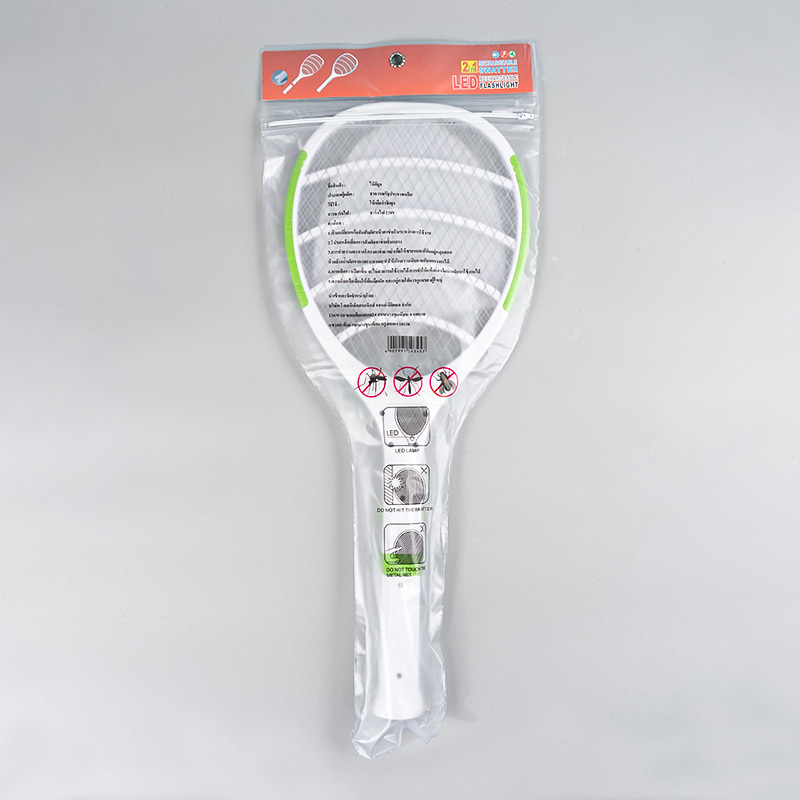 FF-808 Home Electric Mosquito Swatter with Detachable LED FlashlightCombines mosquito swatting with a detachable LED flashlight and 400mAh lead-acid battery for low-light indoor use and maintenance-friendly handling.View Product →
If you would rather leave the swatter on a base and forget about cables until the battery asks for attention, the foldable FF881 adds USB charging and a small display screen, which also makes it easy to carry from room to room.
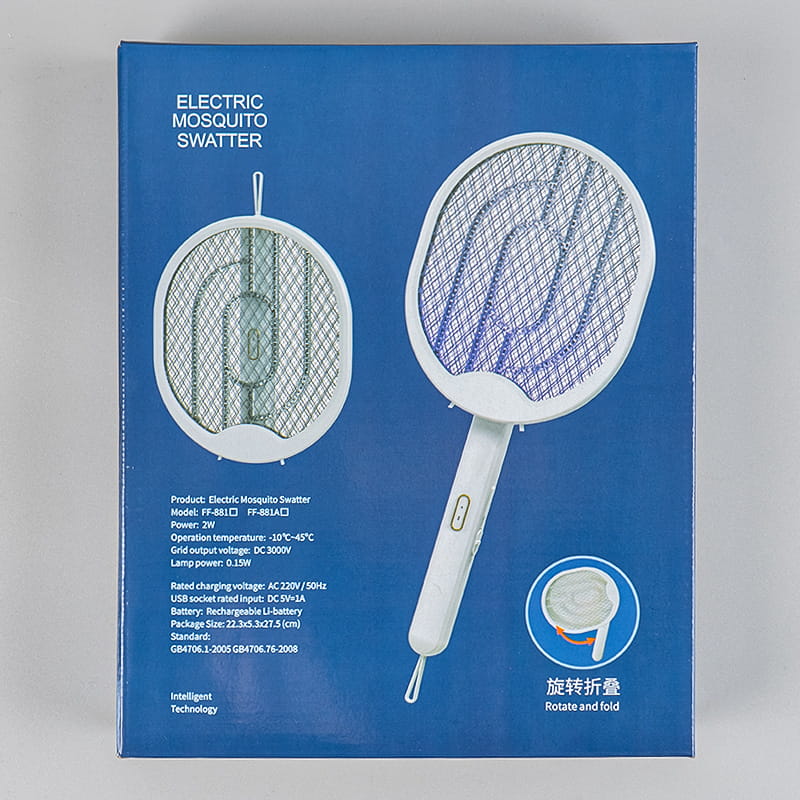 FF-881 Foldable USB Rechargeable Electric Mosquito Swatter with DisplayFoldable USB-rechargeable swatter with display screen, automatic power-off, protective netting, and ergonomic handle for storage-friendly indoor mosquito control.View Product →
And for drawers, cars, and power cuts, the AAA-powered FF008 needs no charging at all — you simply swap the batteries and it is ready.
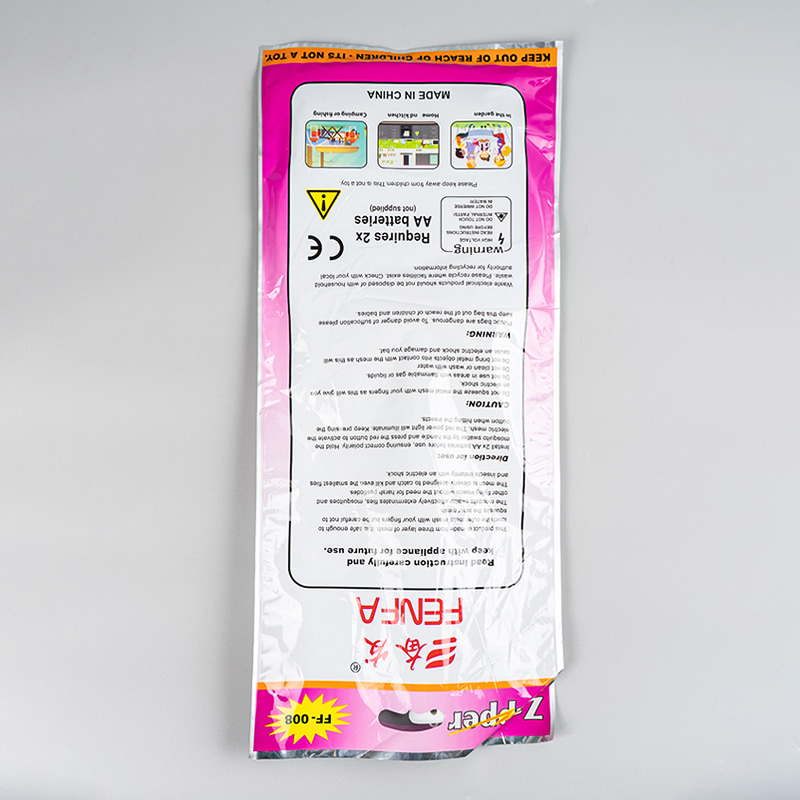 FF-008 Cordless AAA Battery-Powered Electric Mosquito SwatterCordless AAA battery-powered swatter for homes and offices, requiring no charging and featuring a lightweight handle for extended use.View Product →
Whichever you choose, treat it the way you would treat a zapper: keep fingers off the grid, remove the battery or unplug it before cleaning, and store it where children cannot reach. If you want a closer look at shock risk and first aid, our note on whether it is safe to use an electric mosquito swatter covers it step by step.
A zapper that is never cleaned loses efficiency and starts to smell. Manufacturers of indoor units generally warn against soap and water for a good reason: moisture reaching the electrical system can damage the unit, and water plus a live grid is a risk nobody needs.
It is not recommended in a bedroom. The occasional crack of a zapping insect is loud enough to wake light sleepers, and the unit should stay well away from the bed. Run it for two or three hours in the evening instead, then unplug it.
Not on its own. UV light attracts flies and moths far more reliably than mosquitoes, which follow carbon dioxide and body heat. Use the zapper as support and attack the source: standing water, unscreened windows, and gaps under doors.
Yes, when the unit has a proper guard and sits out of reach. Birds, reptiles, and small rodents are more vulnerable than cats and dogs, so keep the zapper in a room they cannot enter, and never let anyone touch the inner grid.
If the manufacturer rates it for outdoor use only, no. Open grids, weatherproof housings, and long cables are designed for a yard, while an indoor room gives fingers and paws far more chances to reach live metal.
The honest answer to "can you use a bug zapper inside" is yes — with the right unit, in the right spot, on a sensible schedule. Indoor-rated zappers handle flies and moths well, and a handheld electric mosquito swatter covers the mosquitoes they miss. We build both kinds of tools at our factory in Yuyao, Zhejiang, along with portable fan heaters, and we are always glad to talk through specs, certifications, and OEM orders with buyers who want the details rather than a sales pitch.
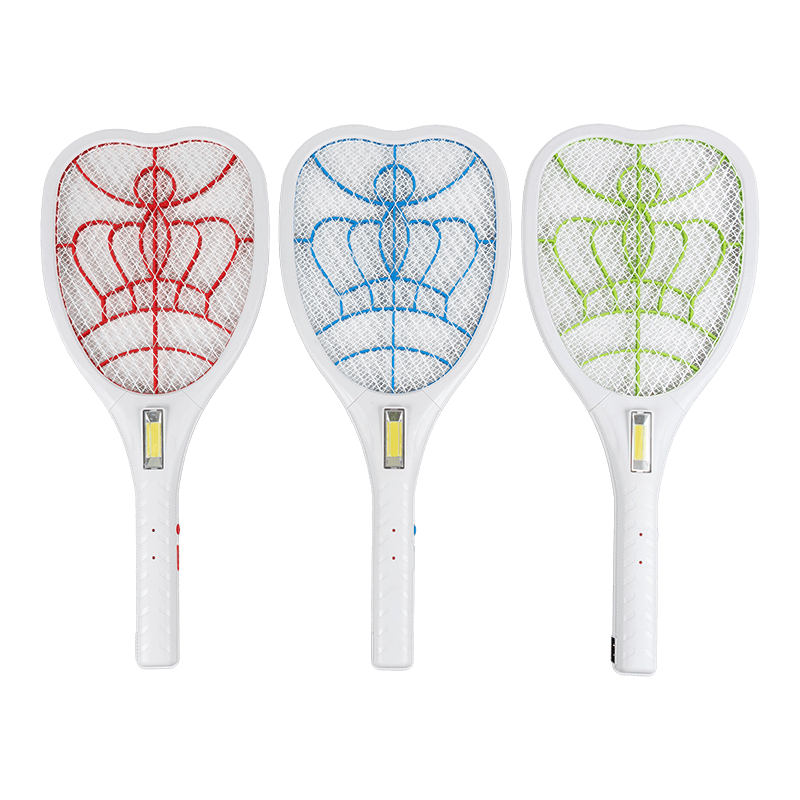 FF-783A 400mAh 3-color electric mosquito swatter with light and figure-eight cable
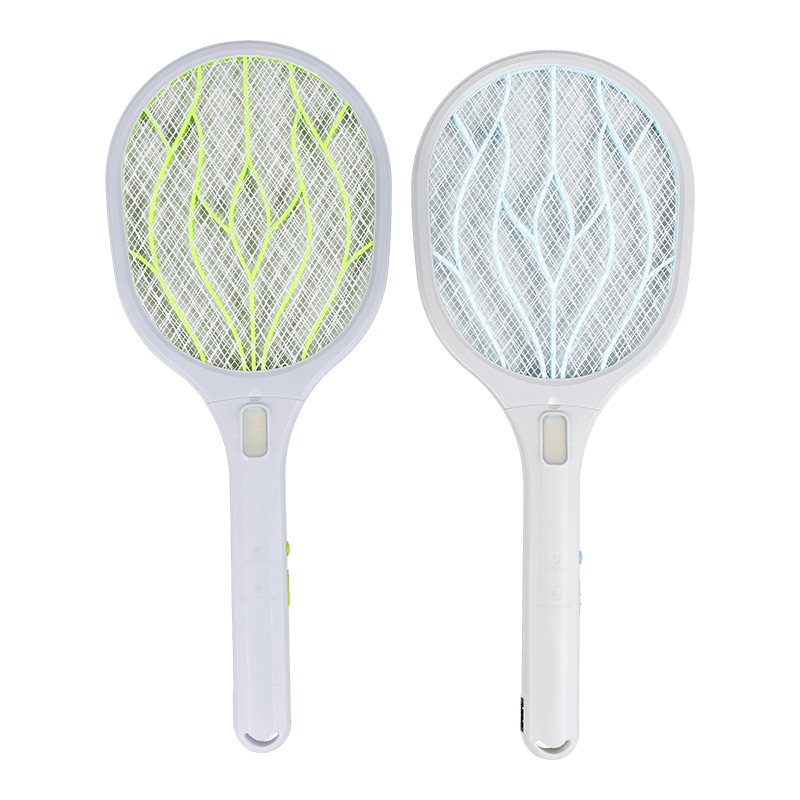 FF-988A 400mAh Portable Electric Mosquito Swatter with Light and Figure-Eight Cord
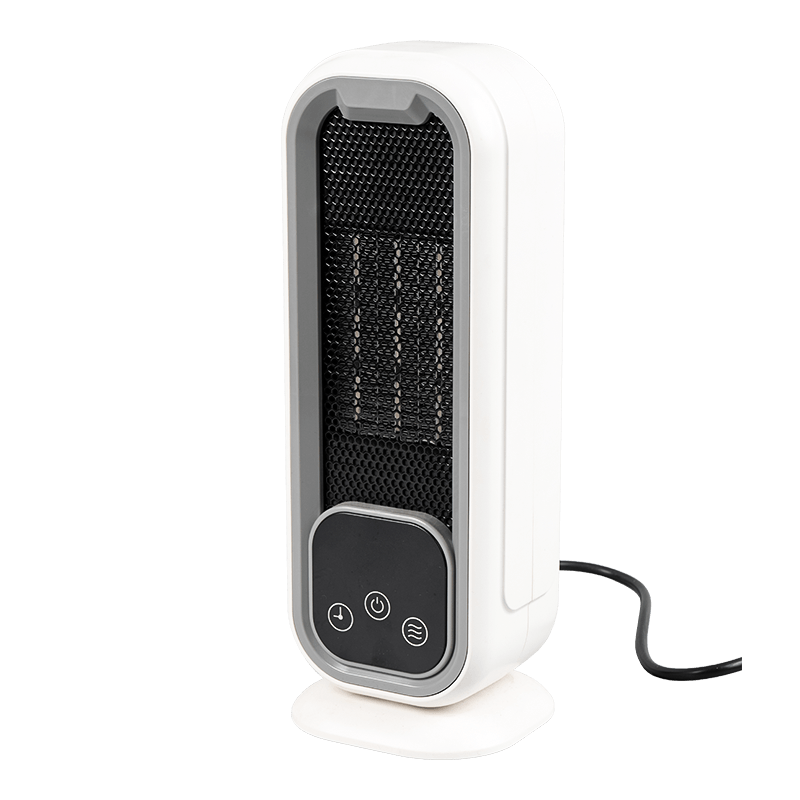 FF-666 Portable Fan Heaters with Display Screen
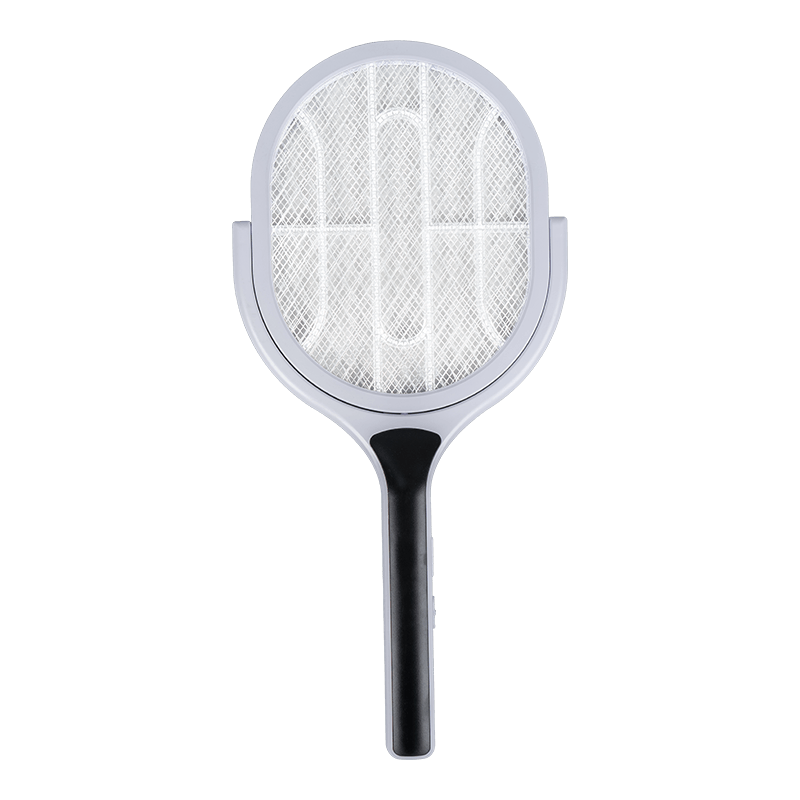 FF-999A 1200mAh Single-Color Embroidery LED Mosquito Swatter Foldable Display USB Rechargeable
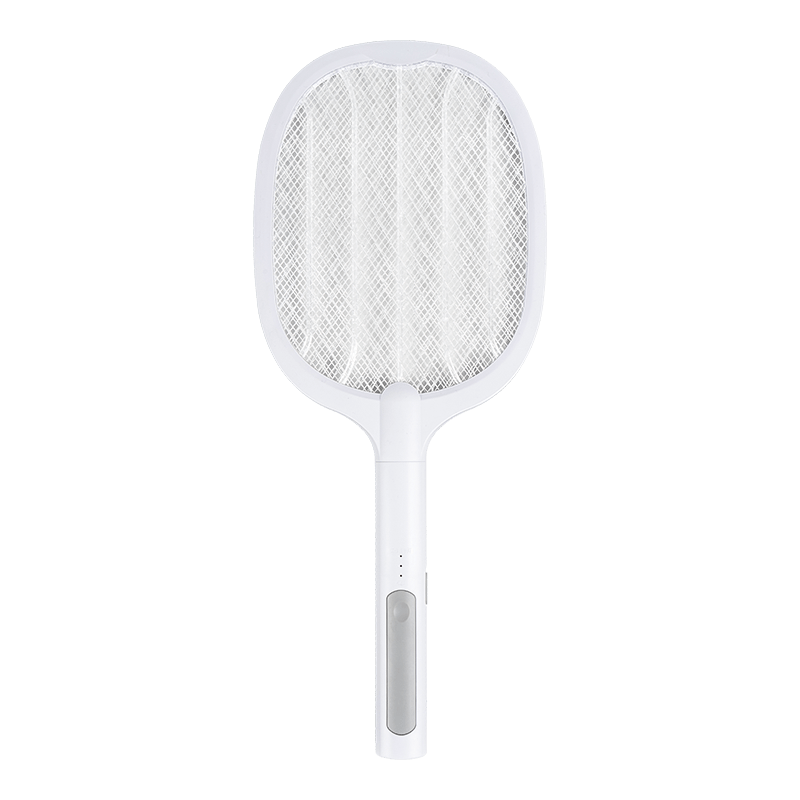 FF-888 1200mAh Five-Level LED Mosquito Swatter USB Rechargeable
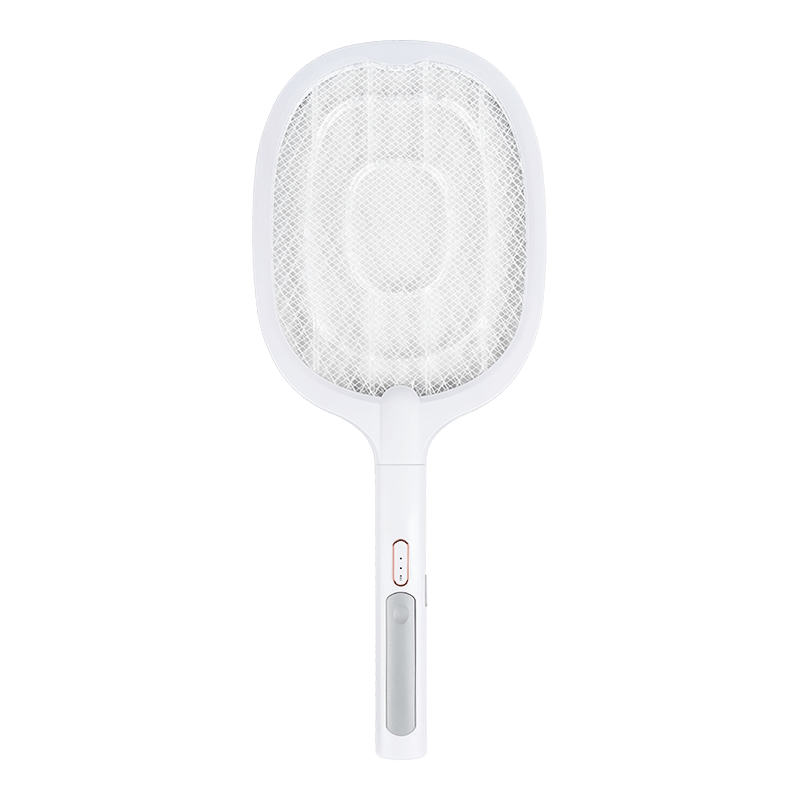 FF-888 1200mAh Round LED Mosquito Swatter USB Rechargeable
Every few weeks, a buyer or a first-time visitor asks us the same question: are bug zappers waterproof? The honest answer is that most of t...
READ MOREThe fly lands on the kitchen counter, and you reach for the electric swatter. The impulse is to swing immediately, but the correct way to u...
READ MOREMosquitoes remain one of the most persistent nuisances in both indoor and outdoor living spaces, and for decades households have relied on...
READ MOREFew things disrupt a peaceful evening faster than a mosquito buzzing past your ear. Traditional swatters leave smudges on walls and plenty ...
READ MORE+86-574-62470728
+86-13736064888
No.1, Fuchuan Hill, Zhishan Village, Yangming Subdistrict, Yuyao City, Zhejiang Province, China

Copyright © Zhejiang Yuyao Fenfa Electric Technology Co., Ltd. All Rights Reserved.
 Custom Electric Handheld Bug Zapper Factory
 Previous