 EN
EN  English
 中文简体
中文简体 Español
 عربى
عربىNews
Content
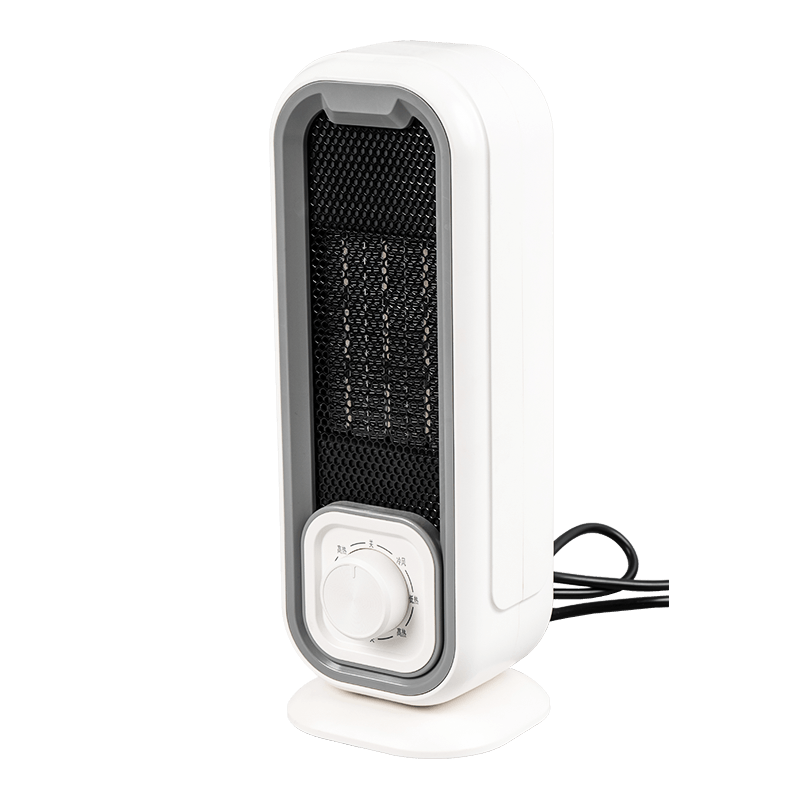
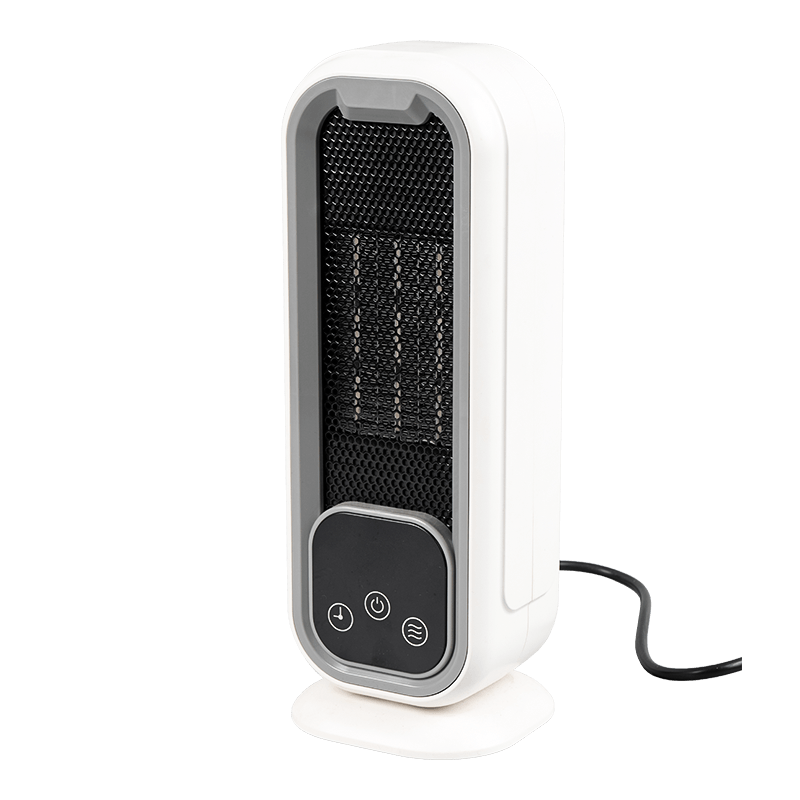
Running a fan heater unattended through an entire night is generally discouraged by fire safety guidance, even though many modern units include features such as overheat protection and tip-over shutoff. The concern is not that a fan heater is inherently dangerous when used correctly, but that a heating appliance left running for many consecutive hours near bedding, curtains, or clutter carries a higher chance of contact with flammable material than one that is monitored or set on a timer. A more practical approach for most bedrooms is to use the heater to warm the room before sleep and then switch it off, or to rely on a timer function that limits continuous operation to a set number of hours.
Why Overnight Use Raises More Concern Than Daytime Use
A fan heater works by drawing in room air, passing it across a heated element, and pushing warmed air back out through a fan, which means the surface near the heating element can reach a fairly high temperature during operation. During the day, a person in the room notices unusual smells, sounds, or a heater that has been accidentally knocked over, and can react immediately. During sleep, that same awareness is absent for several hours, so a developing fault, a piece of fabric that has drifted close to the vent, or a heater tipped by a pet or a draft can go unnoticed until the situation has already progressed.
Bedrooms also tend to contain a higher concentration of soft, flammable materials than a living room or office, including bedding, curtains, rugs, and clothing left on the floor, which increases the number of surfaces that could ignite if a heater were placed too close or malfunctioned. This is part of why fire safety organizations commonly advise keeping any portable heater at least a meter away from furniture, bedding, and curtains regardless of the room it is used in.
Safety Features That Reduce Risk
Many fan heaters sold for home use now include overheat protection, a sensor that shuts the unit off automatically if internal temperatures climb past a safe threshold, which can happen if airflow becomes blocked or the heating element malfunctions. Tip-over protection is another common feature, using a simple mechanical switch that cuts power the moment the heater is knocked onto its side, which addresses one of the frequent causes of heater-related incidents in households with pets or young children. Cool-touch housings, made from heat-resistant plastic rather than metal casing, reduce the chance of burns if someone accidentally brushes against the unit while getting up during the night.
Thermostats and Timers
A built-in thermostat allows a fan heater to cycle on and off automatically once a target room temperature is reached, rather than running continuously at full output, which reduces both energy use and the number of hours the heating element is active. A timer function extends this further by letting a person set the heater to switch off completely after a fixed period, commonly between one and eight hours depending on the model, which limits the window during which the appliance operates without supervision.
Practical Precautions for Bedroom Placement
Positioning matters as much as the heater itself. A stable, flat surface such as a floor free of rugs or cables keeps the unit from tipping, while a clearance of roughly one meter on all sides prevents warm air from being blown directly onto bedding or curtains. Placing the heater near a doorway rather than in a corner surrounded by furniture also allows heat to circulate through the room more evenly and reduces the number of nearby flammable surfaces. Plugging the heater directly into a wall outlet rather than an extension cord or power strip lowers the chance of overheating at the connection point, since fan heaters draw a meaningful amount of current compared with smaller electronic devices.
Bedroom Placement Checklist
- Set on a flat, stable floor surface away from rugs
- Keep at least one meter of clearance from bedding and curtains
- Plug directly into a wall outlet rather than an extension cord
- Use the built-in timer rather than leaving it running all night
Health Considerations Beyond Fire Risk
Aside from fire safety, running a fan heater continuously in a closed bedroom can lower indoor humidity, since the heating element dries the air as it circulates, which sometimes leads to a dry throat, irritated eyes, or slightly stuffier breathing by morning, particularly for people with asthma or allergies. Cracking a window slightly or placing a small container of water near the heater can offset some of this drying effect, though this reduces heating efficiency somewhat. Fan heaters that use exposed metal coil elements can also produce a faint burning smell when dust settles on the element between uses, which is generally harmless once it clears within a few minutes but is worth noting the first time a heater is used after storage.
Choosing a Model Suited for Bedroom Use
Ceramic fan heaters tend to be favored for bedrooms because the ceramic heating element reaches operating temperature quickly while the outer casing stays cooler to the touch than heaters using an exposed metal coil. Oscillation, a feature that rotates the heater's airflow across a wider arc rather than pointing in a fixed direction, helps distribute warmth more evenly through a room rather than concentrating heat on one side of a bed. Noise level is another practical factor for sleep specifically, since fan heaters vary in the decibel output of their internal motor, and a quieter unit is less likely to disturb rest even at a lower fan speed setting.
| Feature | Function | Benefit for Sleep |
|---|---|---|
| Overheat protection | Shuts off if internal temperature rises too high | Reduces fault-related risk |
| Tip-over switch | Cuts power if knocked over | Addresses accidental falls |
| Timer function | Switches off after a set duration | Limits unattended runtime |
| Oscillation | Rotates airflow across the room | Distributes heat more evenly |
Balancing these factors against personal comfort usually leads to a workable routine, such as running the heater on a timer set for one or two hours before bed so the room reaches a comfortable temperature, then allowing residual warmth and bedding to maintain comfort through the rest of the night. This approach captures a good share of the comfort benefit while reducing the hours of unattended operation, which addresses the primary concern raised by fire safety guidance without requiring the room to go cold immediately at bedtime.
 Previous