 EN
EN  English
 中文简体
中文简体 Español
 عربى
عربىNews
Home / News / Industry News / Is It Safe to Use an Electric Mosquito Swatter? What Precautions Should Be Taken Regarding Children and Pets?

Content
Electric mosquito swatters are widely used in homes around the world as a chemical-free way to eliminate mosquitoes and other flying insects. The short answer: yes, electric mosquito swatters are generally safe for adults when used correctly — but they do carry real risks, especially around children and pets. This article covers everything you need to know about how they work, what the actual dangers are, and how to use one responsibly in a household with kids and animals.
An electric mosquito swatter — also called an electric fly swatter or bug zapper racket — looks like a badminton racket. Inside the mesh layers, a high-voltage electrical grid is powered by batteries or a rechargeable cell. When a mosquito or other insect makes contact with the grid, it completes an electrical circuit, causing the insect to be electrocuted instantly.
The voltage varies by model, but most electric mosquito swatters operate at between 500 volts and 3,000 volts DC. While this sounds alarming, the current (amperage) is extremely low — typically less than 0.5 milliamps — which is why contact with the grid rarely causes serious injury to adults. However, low current does not mean zero risk, and the consequences of accidental contact vary depending on the person and the circumstances.
| Feature | Typical Range | Notes |
|---|---|---|
| Voltage | 500V – 3,000V | High enough to kill insects instantly |
| Current | < 0.5 mA | Low enough to avoid lethal shock in adults |
| Power Source | AA batteries / USB rechargeable | Rechargeable models are more common now |
| Activation | Button-activated | Grid only live when button is held down |
| Mesh Layers | 2–3 layers | Outer protective layers reduce accidental contact |
For healthy adults, electric mosquito swatters are considered safe when used as intended. Accidental contact with the inner grid will cause a sharp, painful shock — similar to a static electricity jolt — but it is unlikely to cause lasting harm in a healthy person. The brief discharge is unpleasant but not dangerous under normal conditions.
That said, certain groups of adults should exercise additional caution:
For the general adult population, simply holding the swatter by the handle (not the mesh) and only activating the electrical grid when intentionally swinging at an insect is sufficient to stay safe.
Despite their general safety profile, electric mosquito swatters are not risk-free. Understanding the real hazards helps you use them more responsibly.
The most common risk. If a finger or hand touches the inner electrified grid while the button is held down, the user receives a painful shock. Most models have an outer protective mesh layer to prevent fingers from reaching the inner grid, but this protection is not foolproof — especially for small fingers belonging to children.
When an insect is zapped, a small spark is produced. In most environments this is harmless. However, using an electric mosquito swatter near flammable gases, aerosols, alcohol, or combustible materials poses a genuine fire risk. Reports of fires caused by electric fly swatters used in kitchens or near gas stoves have been documented in Asian countries where these devices are extremely popular. Never use one near a gas burner, aerosol sprays, or open alcohol containers.
When a mosquito or other insect is electrocuted, it produces a tiny puff of smoke containing incinerated insect material. While the quantity is minuscule during normal use, frequent use in an enclosed, unventilated space could contribute to indoor air quality issues. People with asthma or severe respiratory sensitivities may wish to use the swatter near an open window or in well-ventilated areas.
Models powered by AA or AAA batteries carry the additional risk of battery leakage if left unused for extended periods. Leaked alkaline battery chemicals can corrode the device and pose a chemical skin irritant risk if handled. Always remove batteries if storing the device for more than a month.
| Risk Type | Severity (Adults) | Severity (Children/Pets) | Prevention |
|---|---|---|---|
| Electric shock (accidental) | Low – painful but not dangerous | Medium – more intense for small bodies | Store out of reach; supervise use |
| Fire from sparks | High if near flammables | High if near flammables | Keep away from gas, aerosols, alcohol |
| Inhalation of insect smoke | Low in ventilated areas | Low–Medium for asthmatic children | Use near open windows |
| Battery leakage | Low | Medium if child handles leaking unit | Remove batteries during long storage |
| Cardiac interference | High for pacemaker users | Rare in children | Avoid use if pacemaker present |
Electric mosquito swatters are not safe toys for children, and should never be left within reach of young kids. While the devices are not inherently lethal, the risks are significantly elevated for children compared to adults, for several important reasons.
| Age Group | Recommendation | Rationale |
|---|---|---|
| Under 6 years | No access whatsoever | Cannot understand hazard; fingers small enough to breach guard mesh |
| 6–10 years | Adult supervision required at all times | Can understand basic rules but lacks consistent judgment |
| 11–14 years | Supervised use with safety briefing | Can be taught safe handling; should not use unsupervised |
| 15 years and above | May use independently after instruction | Cognitive maturity to understand and follow safety rules |
Electric mosquito swatters pose real and specific risks to household pets, particularly cats and dogs, and must be stored and used with great care in pet-owning households. Animals are naturally inquisitive and lack any understanding of the electrical hazard a swatter represents.
Dogs may sniff or lick a swatter left on a low surface. If the button is accidentally depressed during this contact, the dog's wet nose or tongue — which are far more electrically conductive than dry skin — could receive a significant shock. Dogs with a history of cardiac conditions face the same elevated risks as humans with heart problems. Additionally, larger, more excitable dogs may knock a swatter off a table, activating it unpredictably.
Cats are particularly at risk because of their agility and curiosity. A cat may bat at a swatter left on a counter or shelf, or attempt to chew the handle or mesh. Chewing through the casing of a charged swatter could expose the electrical components, creating a severe shock or even fire risk. Cats also frequently jump onto surfaces where swatters are placed, making accidental contact very plausible.
Small animals and cage birds are at the highest risk from electrical shock, as their small body mass means that even a low-current discharge could cause serious cardiac distress or death. Never use an electric mosquito swatter in the immediate vicinity of small animals, birds, fish tanks, or reptile terrariums. The sparking discharge can also startle birds into sudden flight, risking injury against the cage.
| Pet Type | Risk of Accidental Contact | Shock Severity (if contacted) | Recommended Precaution |
|---|---|---|---|
| Large dog | Medium | Low–Medium | Store out of reach; supervise use |
| Small dog | Medium | Medium | Store out of reach; keep away during use |
| Cat | High | Medium | Locked storage; never leave unattended |
| Rabbit / guinea pig | Low (if caged) | High (small body mass) | Do not use near cage; use alternatives |
| Bird (parrot, canary) | Low–Medium | Very High | Never use in same room as bird |
| Fish (aquarium) | Low | N/A (electrical discharge near water) | Never use over or near water/tank |
Following proper usage habits will eliminate almost all of the risks associated with electric mosquito swatters. Here is a practical, step-by-step guide for safe everyday use:
Not all electric mosquito swatters are built to the same safety standard. If you are shopping for one — particularly for a home with children or pets — prioritize these features:
The safest models use a three-layer mesh design: two outer non-electrified protective screens with the electrified inner grid sandwiched between them. This significantly reduces the chance of direct grid contact from either side. Two-layer designs offer less protection. Always check the product specification before purchasing.
Some models require the user to unlock the device before the activation button can electrify the grid. This prevents accidental activation if a child or pet presses the button, or if the swatter is bumped or knocked over. This is the single most important safety feature for households with children.
A visible LED that lights up when the grid is electrified helps the user and bystanders know when the device is active. This is a simple but effective safety feature that reduces the likelihood of accidental contact.
Rechargeable USB models eliminate the battery leakage risk and are more convenient. However, they require that the charging port be kept dry and undamaged. Both types are equally safe electrically when used correctly; the choice mainly comes down to convenience and environmental preference.
Look for products that carry relevant safety certifications for your region:
Avoid purchasing unbranded or uncertified swatters from unknown manufacturers, particularly those sold without any documentation. These may have lower-quality mesh, substandard insulation, or incorrect voltage ratings.
For households where an electric swatter poses too much risk — due to very young children, multiple pets, or vulnerable occupants — it is worth considering alternatives. Here is how common methods compare:
| Method | Child Safety | Pet Safety | Effectiveness | Chemical-Free |
|---|---|---|---|---|
| Electric swatter | Requires caution | Requires caution | Very high (direct) | Yes |
| Mosquito net | Completely safe | Completely safe | High (preventive) | Yes |
| Plug-in repeller (mat/liquid) | Chemical exposure risk | Toxic to birds; caution with cats | High (area-wide) | No |
| Citronella candle / diffuser | Fire hazard (candle) | Generally safe | Moderate | Yes (natural) |
| DEET spray (topical) | Use child-safe formulas only | Toxic to pets if licked | High (personal) | No |
| Ultrasonic repeller | Safe | May disturb rodents and small pets | Mixed evidence | Yes |
The electric mosquito swatter remains one of the most effective, affordable, and chemical-free options available for direct mosquito elimination. For most households, it is a practical choice — as long as the precautions outlined in this article are followed consistently.
Maintaining your electric mosquito swatter properly is not just about longevity — it is also a key part of keeping it safe to use over time. A well-maintained device is a predictable one.
Dead insect debris accumulates on the inner grid over time. Always wait at least 30 seconds after releasing the activation button before cleaning, as residual charge can remain in the grid capacitor. Use a dry soft brush, toothpick, or pipe cleaner to remove debris. Never wash the mesh under running water. If the model is marketed as washable, follow the manufacturer's instructions precisely and allow at least 24 hours of drying before recharging or use.
Discontinue use and replace your electric mosquito swatter if you observe any of the following:
Electric mosquito swatters are a safe and effective pest control tool for most households — provided they are used responsibly. Here is a quick-reference summary of the most important safety rules:
By following these guidelines, you can enjoy the convenience and effectiveness of an electric mosquito swatter while keeping every member of your household — including the smallest and furriest ones — safe from harm.
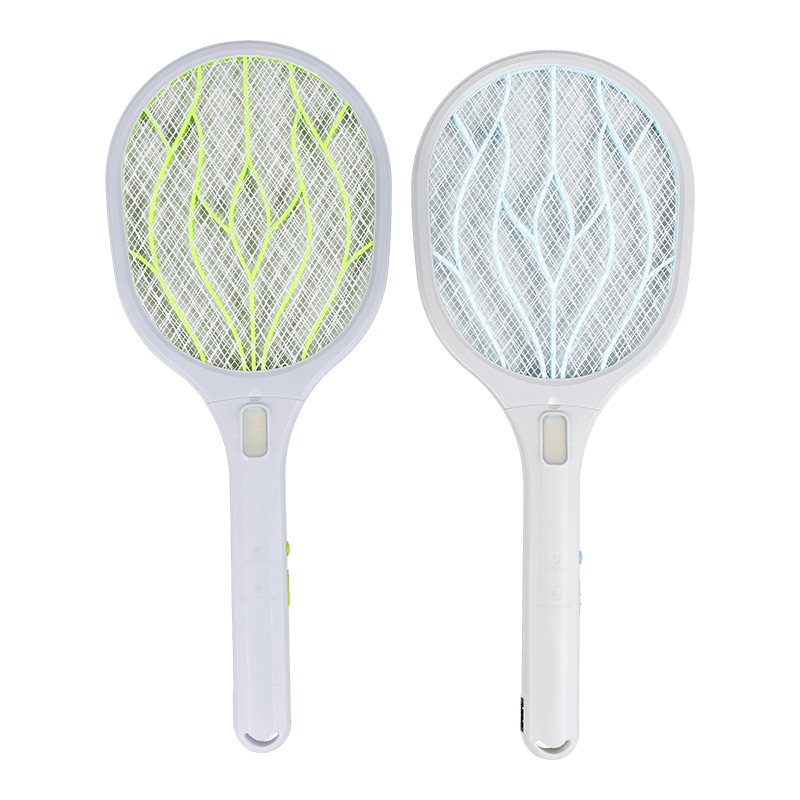 FF-988A 400mAh Portable Electric Mosquito Swatter with Light and Figure-Eight Cord
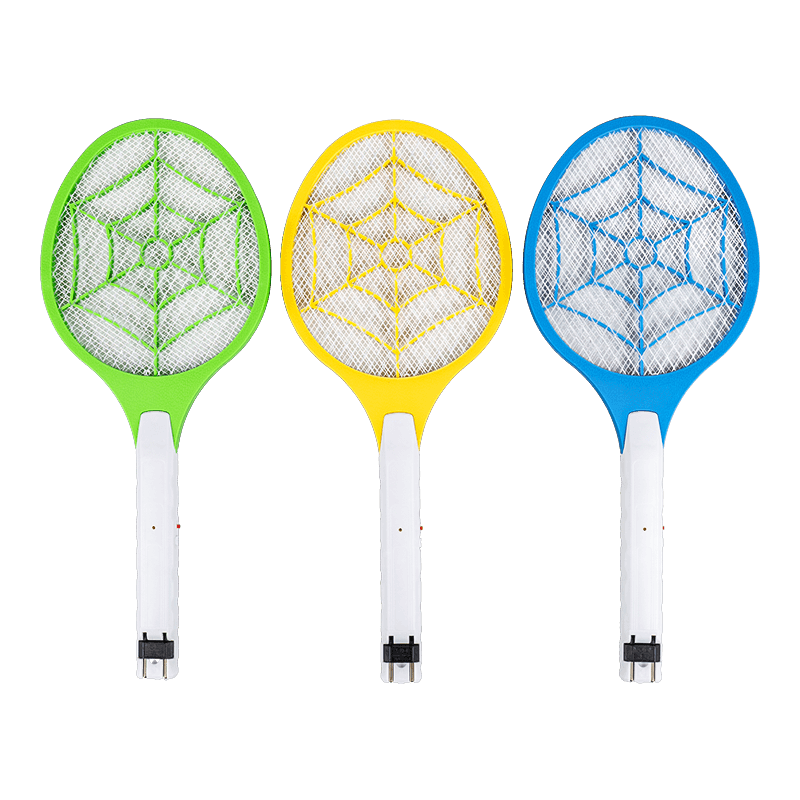 FF-007 3-Color Brazilian Plug Lead-Acid Battery 400mAh Electric Mosquito Swatter
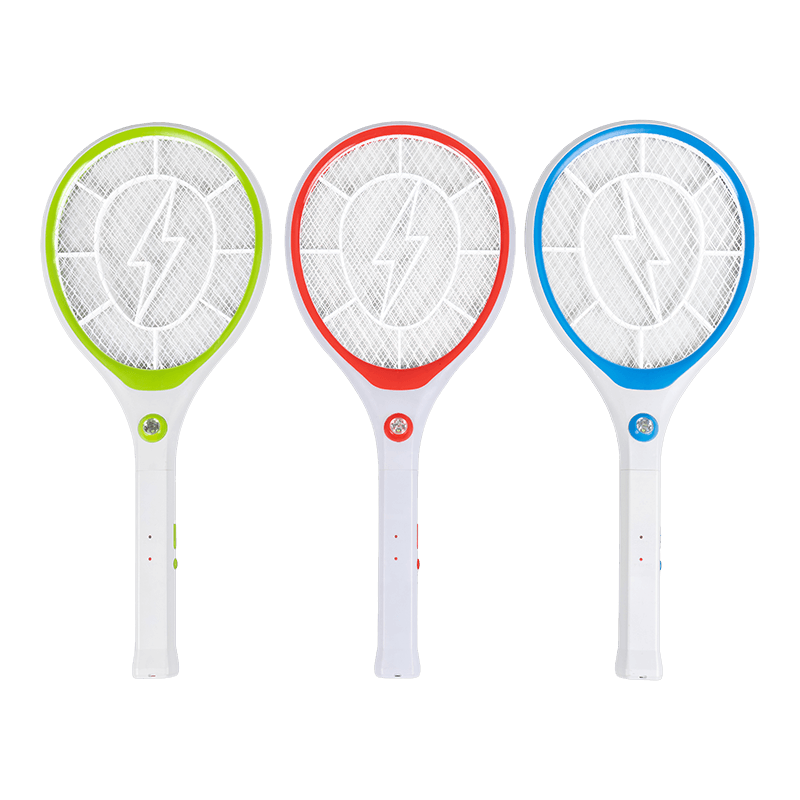 FF-787A 3-Color LED Solar with Plug Lead-Acid Battery 400mAh Electric Mosquito Swatter
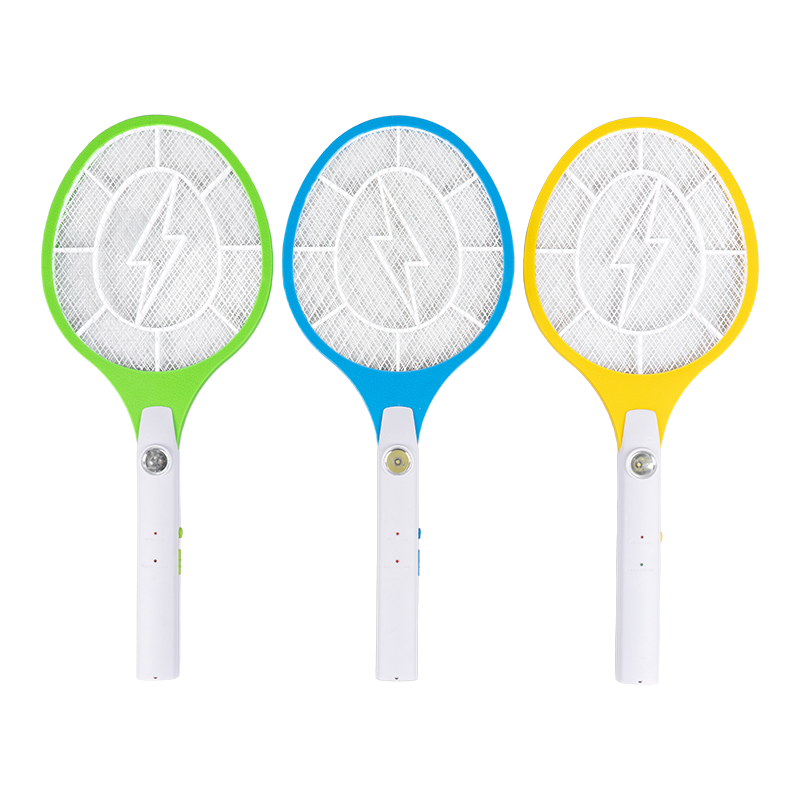 FF-009 LED Lead-Acid Battery 400mAh with Plug Electric Mosquito Swatter
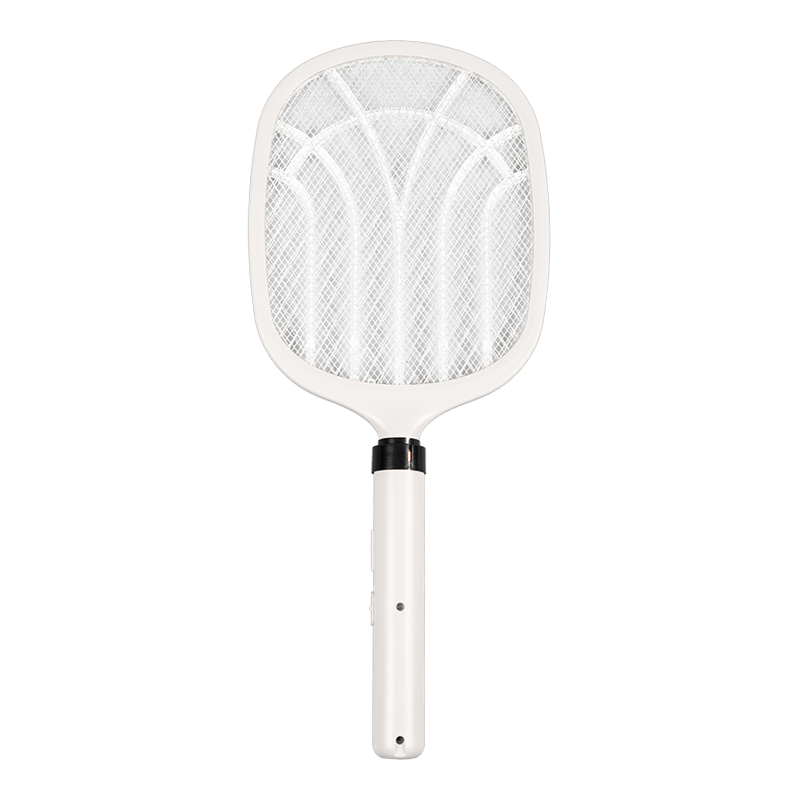 FF-883 1200mAh Embroidered Pattern Lamp USB Base Rechargeable Electric Mosquito Swatter
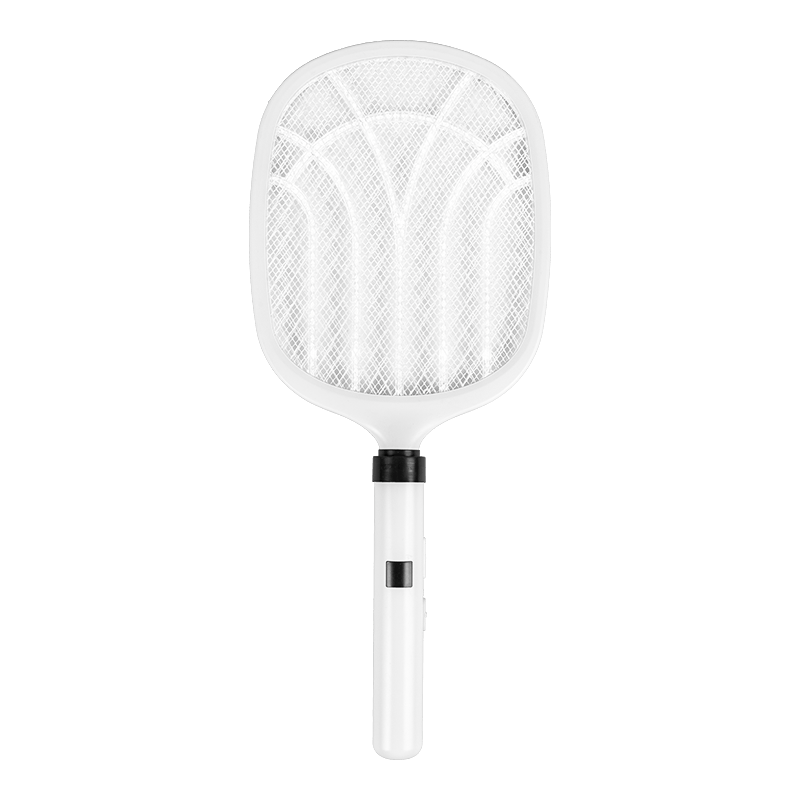 FF-883A 1200mAh Embroidered Pattern Lamp USB Base Lithium Electric Mosquito Swatter
Mosquitoes remain one of the most persistent nuisances in both indoor and outdoor living spaces, and for decades households have relied on...
READ MOREChemical-free mosquito control encompasses the full range of physical, biological, environmental, and technological strategies used to redu...
READ MOREAn electric mosquito swatter is one of the most effective, chemical-free tools for killing mosquitoes and other flying insects on contact. I...
READ MOREElectric Mosquito Swatter: Instant and Efficient Mosquito Control Electric mosquito swatters provide an immediate, chemical-free way to elim...
READ MORE+86-574-62470728
+86-13736064888
No.1, Fuchuan Hill, Zhishan Village, Yangming Subdistrict, Yuyao City, Zhejiang Province, China

Copyright © Zhejiang Yuyao Fenfa Electric Technology Co., Ltd. All Rights Reserved.
 Custom Electric Handheld Bug Zapper Factory
 Previous