 EN
EN  English
 中文简体
中文简体 Español
 عربى
عربىNews
Home / News / Industry News / Lithium Battery Mosquito Swatter: Benefits, Buying Tips & Manufacturer Insights

Content
Mosquito swatters have been a household essential for decades, but the way they store energy has changed significantly. Older designs usually relied on lead-acid batteries, while modern models increasingly use lithium batteries. As a manufacturer that has built electric mosquito killers for years, we have watched this shift improve both performance and user experience. If you are evaluating a lithium battery mosquito swatter for your home or for your product lineup, here is what you should know.
A lithium battery mosquito swatter feels different from the start. It is lighter, so users can swing it more comfortably, and it provides stronger, more consistent power to the three-layer metal mesh. In our production experience, the most requested lithium configurations for mosquito swatters are 500mAh and 1200mAh. A 500mAh model covers normal household use and charges quickly, while a 1200mAh model gives longer runtime and supports extra features such as LED lights.
There are several reasons why lithium has become the preferred choice in modern mosquito swatter designs:
Some users try to modify an old lead-acid swatter by adding a lithium cell themselves. While this can work in skilled hands, a proper lithium battery mosquito swatter needs a matched charging circuit, overcharge protection, and secure mechanical assembly. Factory-built designs are safer and more reliable for everyday household use. From a manufacturing point of view, the move to lithium also simplifies logistics. A single USB cable can replace several different plug chargers, and the battery can be charged safely with common 5V adapters.
For instance, the compact model below uses a 500mAh lithium battery with USB charging:
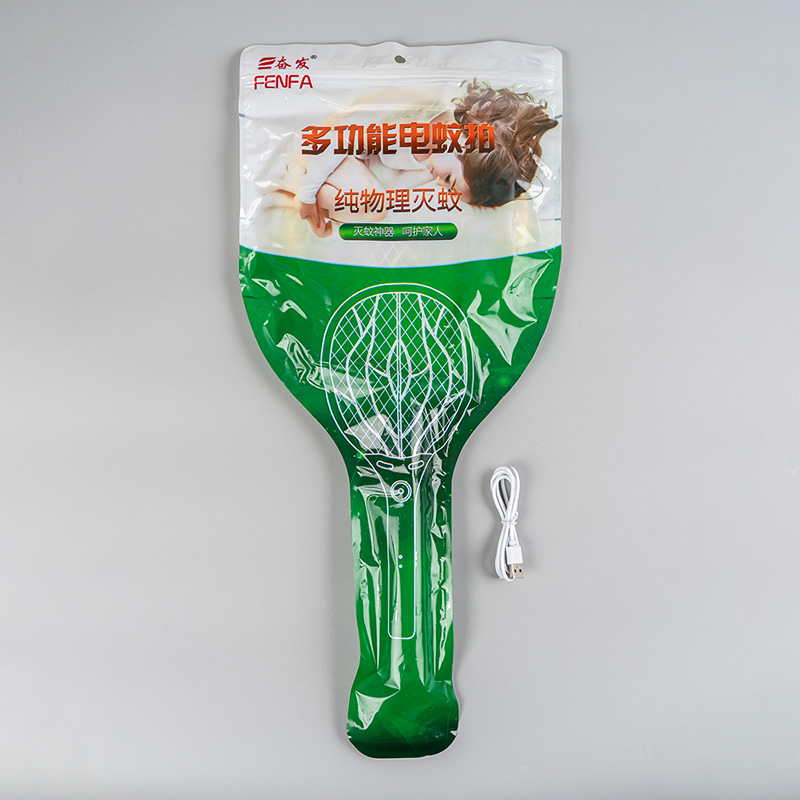 FF-003A 500mAh USB Rechargeable Lithium Battery Mosquito SwatterThis compact handheld swatter runs on a 500mAh lithium battery with USB charging, offering hundreds of strikes per charge. Its physical button protection and charge cutoff enhance safety, making it a practical choice for daily home use.View Product →
If you want to understand what changed, compare the two battery types directly. The table below reflects the practical differences we consider when building mosquito swatters.
| Consideration | Lead-Acid Battery | Lithium Battery |
|---|---|---|
| Weight | Heavier | Lightweight |
| Voltage stability | Drops as battery drains | Stable output during normal use |
| Charging method | Usually plug-in or base | USB, base, or adapter options |
| Cycle life | Lower | Higher |
| Maintenance | May sulfate if unused | Lower self-discharge |
| Safety features | Simpler design | Better protection circuits in quality designs |
Not all lithium battery mosquito swatters are the same. The cell quality, charging circuit, and assembly method all affect safety and durability.
Capacity directly determines how long the swatter stays useful between charges. For everyday home use, 500mAh is a practical starting point. If the swatter includes LED lighting or a display, a higher capacity such as 1200mAh is a better match. USB charging is now the most popular choice because it works with phone adapters, power banks, and laptops.
A safe lithium battery mosquito swatter should include protection against overcharging, over-discharging, and short circuits. The charging path should be isolated from the high-voltage mesh circuit, so the mesh cannot be activated while the battery is charging. These details may not appear in product photos, but they are essential for safe use in homes with children and pets.
Modern multifunctional designs combine mosquito control with practical lighting. A ring of LEDs around the frame helps users locate mosquitoes in dim rooms, while an embroidered pattern lamp adds decorative value. Foldable handles, display screens, and charging bases are also becoming more common. A high-capacity lithium battery becomes more important when these features are included, because the same cell powers both the zapping circuit and the lights.
For a good example of a 1200mAh lithium model with LED support, the product card below shows how these features are packaged in one unit:
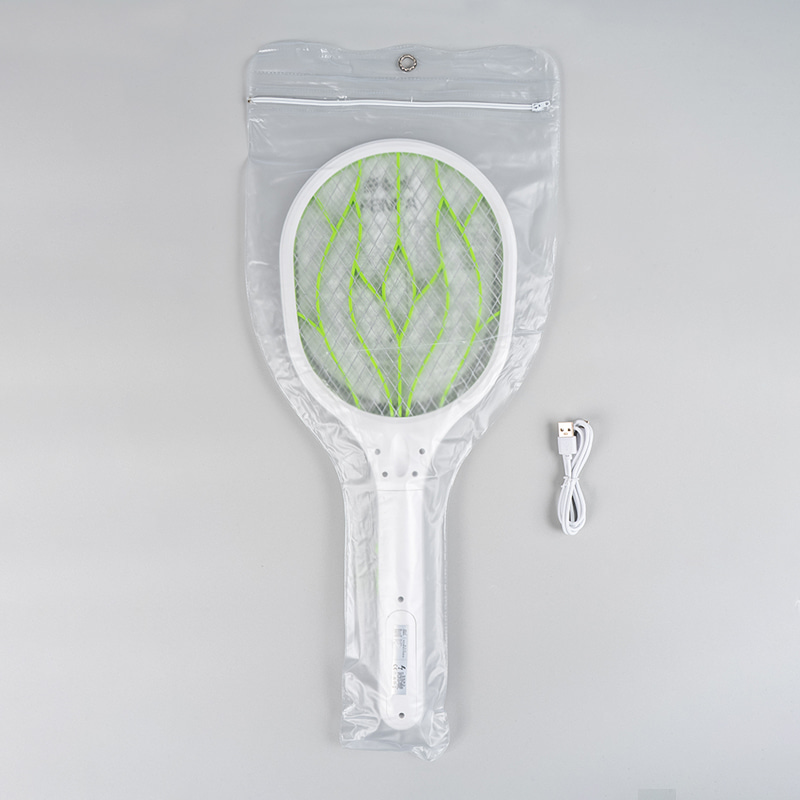 FF-988 1200mAh LED Multifunctional Rechargeable Mosquito SwatterWith a high-capacity 1200mAh battery and bright LED light, this model supports long sessions and low-light targeting. The layered safety grid and high-voltage shock make it a versatile option for summer pest control or emergency lighting.View Product →
For importers, brand owners, and distributors, the choice of lithium battery mosquito swatter should start with the target market. USB-rechargeable models are well accepted in most regions, while some markets still prefer a plug-in charger or a charging base. A clear specification sheet helps us match the right model to your selling price, packaging needs, and quality expectations.
At our factory, we support OEM and ODM orders for electric mosquito killers. Our production line covers not only standard home swatters but also battery-powered and multifunctional designs. We hold CE and ISO 9001 certifications, and our team handles detailed customization requests such as colors, logos, packaging, and feature combinations. This is especially important for lithium-powered products, because the charging system must be properly matched to the battery and the local power standard.
For brands that want a more premium presentation, a charging base with a lithium battery adds perceived value and simplifies daily use. The model below is one of our popular USB charging base designs with a 500mAh lithium battery:
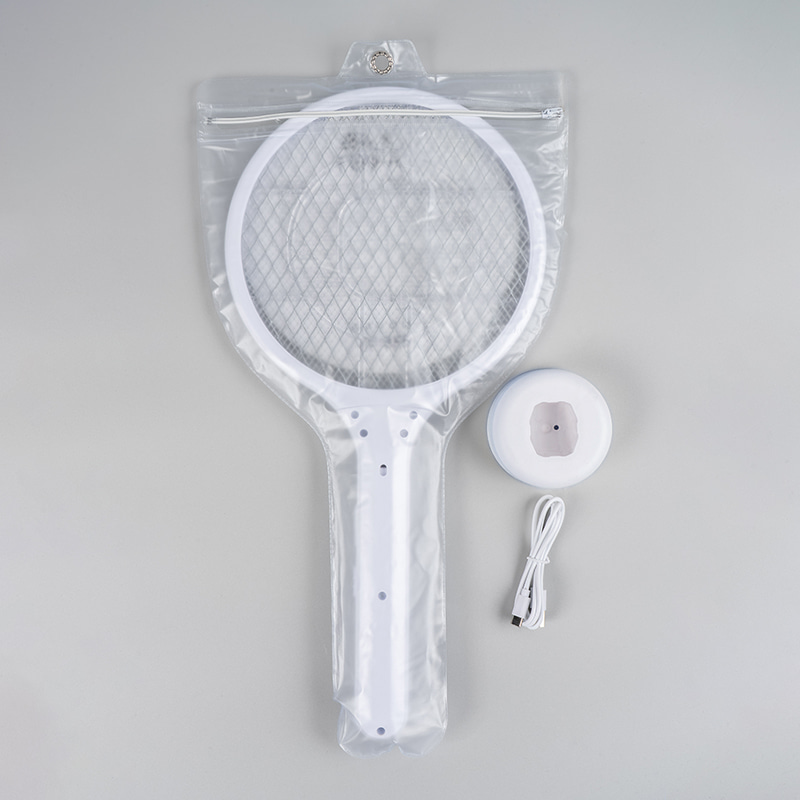 FF-889 500mAh USB Charging Base Multifunctional Mosquito SwatterFeaturing a dedicated USB charging base and 500mAh lithium battery, this swatter can be used handheld or docked as a static killer. Its multilayer safety grid and ergonomic handle add convenience, ideal for home or gift use.View Product →
You can browse our multifunctional electric mosquito swatter range to see how different features are combined in one product. If you are comparing options for a new order, pay special attention to battery certification and charging performance, because these areas have the greatest impact on customer satisfaction.
Lithium battery mosquito swatters are a practical upgrade for homes and an attractive option for brands that want to sell reliable, convenient products. Whether you need a simple USB-rechargeable model or a fully equipped swatter with light and display functions, working with an experienced manufacturer helps you avoid common mistakes. Before you place your next order, compare the battery and charging system carefully. You can also read our mosquito swatter buying tips for more guidance on selecting the right design.
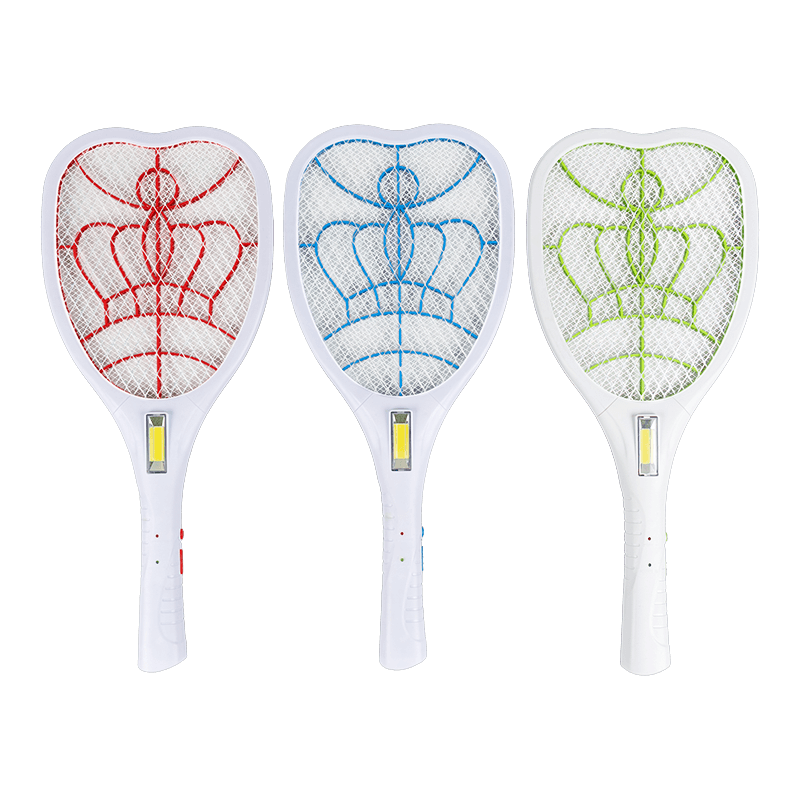
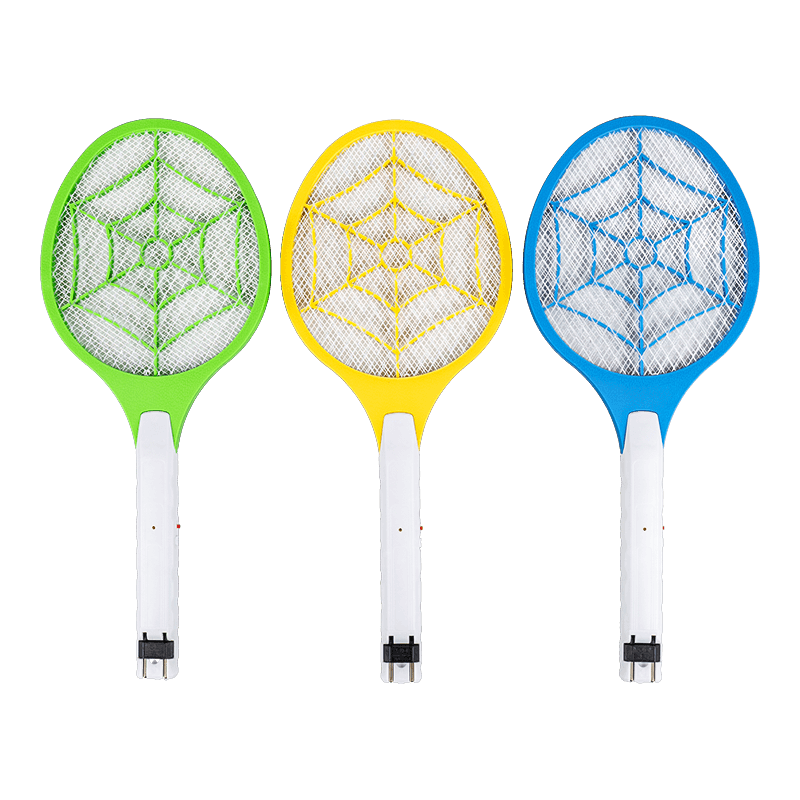 FF-007 3-Color Brazilian Plug Lead-Acid Battery 400mAh Electric Mosquito Swatter
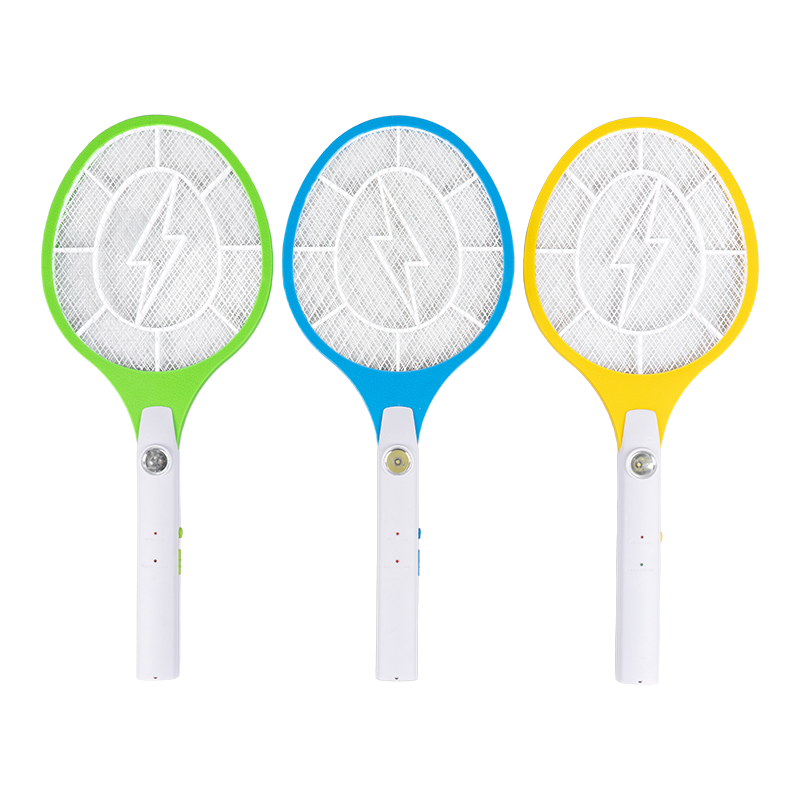
 FF-783 3-Color LED with Plug Lead-Acid Battery 400mAh Electric Mosquito Swatter
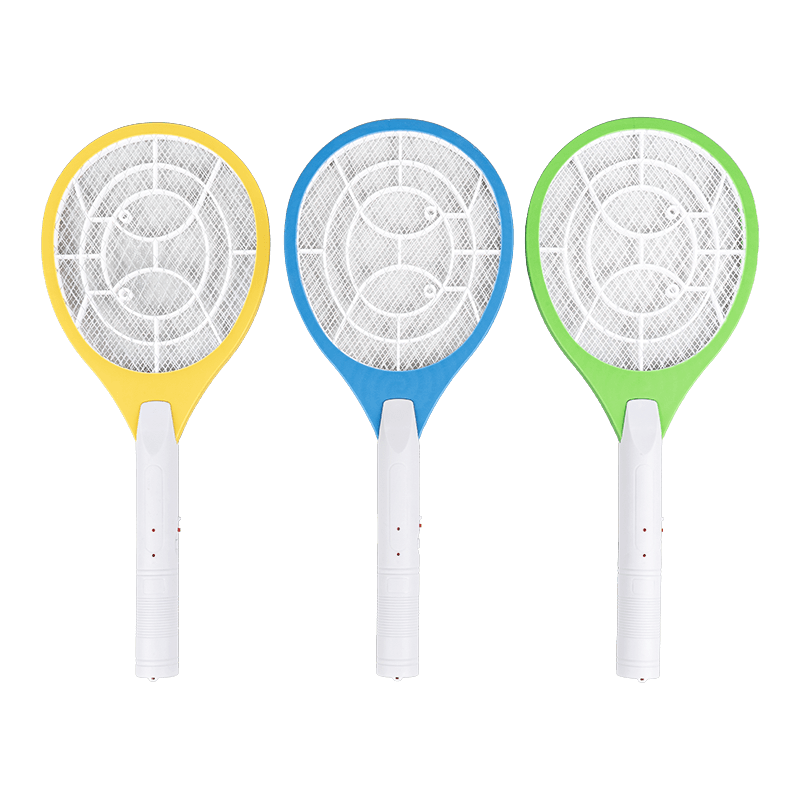
 FF-009 LED Lead-Acid Battery 400mAh with Plug Electric Mosquito Swatter
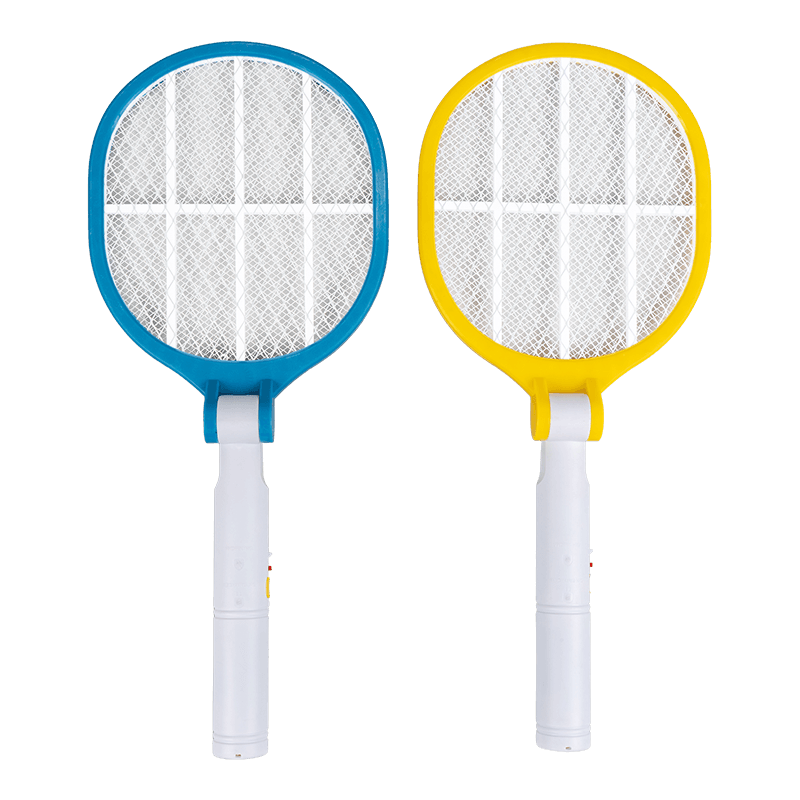 FF-101 2-Color Foldable Lead-Acid Battery 400mAh with Plug Electric Mosquito Swatter
 FF-107 3-Color Lead-Acid Battery 250mAh with Plug Electric Mosquito Swatter
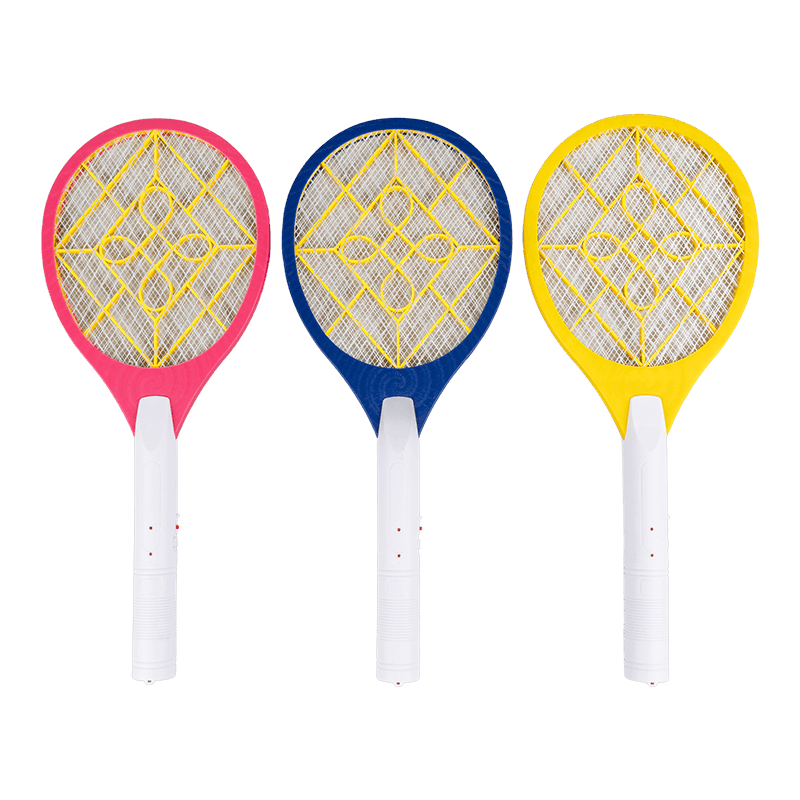 FF-109 3-Color Lead-Acid Battery 250mAh with Plug Electric Mosquito Swatter
An electric mosquito swatter is one of the most effective, chemical-free tools for killing mosquitoes and other flying insects on contact. I...
READ MOREWhen you press the button on an electric fly swatter, the metal grid delivers a high-voltage pulse that stuns or kills mosquitoes, flies, a...
READ MOREA battery-powered electric mosquito swatter specifically refers to an electronic mosquito swatter that uses standard disposable dry batter...
READ MOREFew things disrupt a peaceful evening faster than a mosquito buzzing past your ear. Traditional swatters leave smudges on walls and plenty ...
READ MORE+86-574-62470728
+86-13736064888
No.1, Fuchuan Hill, Zhishan Village, Yangming Subdistrict, Yuyao City, Zhejiang Province, China

Copyright © Zhejiang Yuyao Fenfa Electric Technology Co., Ltd. All Rights Reserved.
 Custom Electric Handheld Bug Zapper Factory
 Previous