 EN
EN  English
 中文简体
中文简体 Español
 عربى
عربىNews
Content
- 1 Why Go Rechargeable? The Core Advantages
- 2 Key Features to Look For
- 3 Voltage vs. Safety: Understanding the Balance
- 4 Comparing Top Rechargeable Mosquito Swatter Types
- 5 How to Use a Rechargeable Electric Mosquito Swatter Effectively
- 6 Safety Tips for Every User
- 7 Rechargeable Swatters vs. Other Mosquito Control Methods
- 8 Maximizing Battery Life and Long-Term Care
- 9 Who Benefits Most From a Rechargeable Electric Mosquito Swatter?
If you've spent a summer evening frantically swatting at invisible intruders, you already know the frustration. A rechargeable electric mosquito swatter changes the game — blending precise voltage, hands-on satisfaction, and zero recurring costs into one lightweight racket.
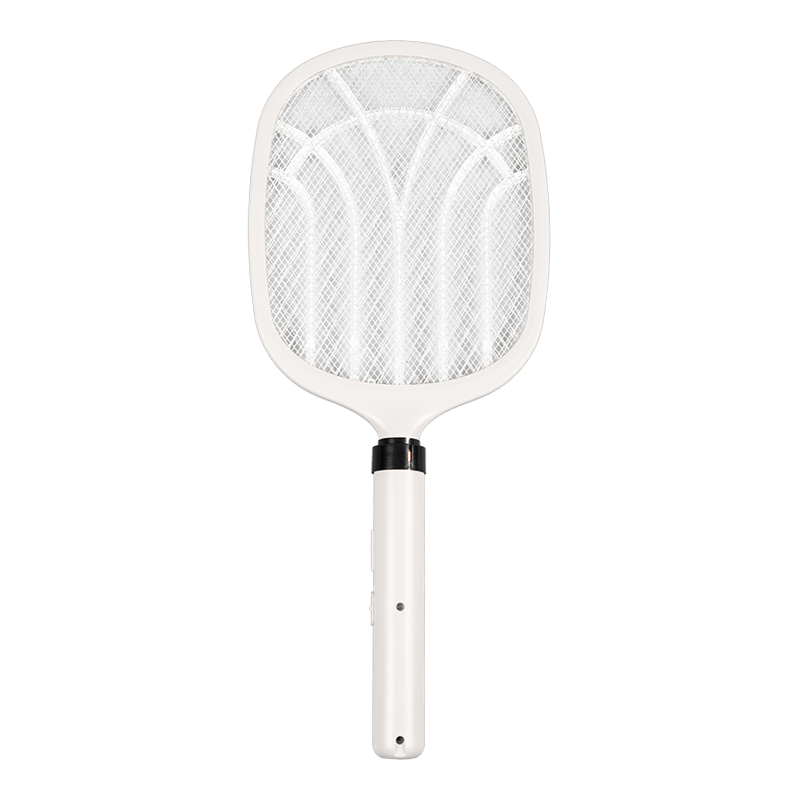
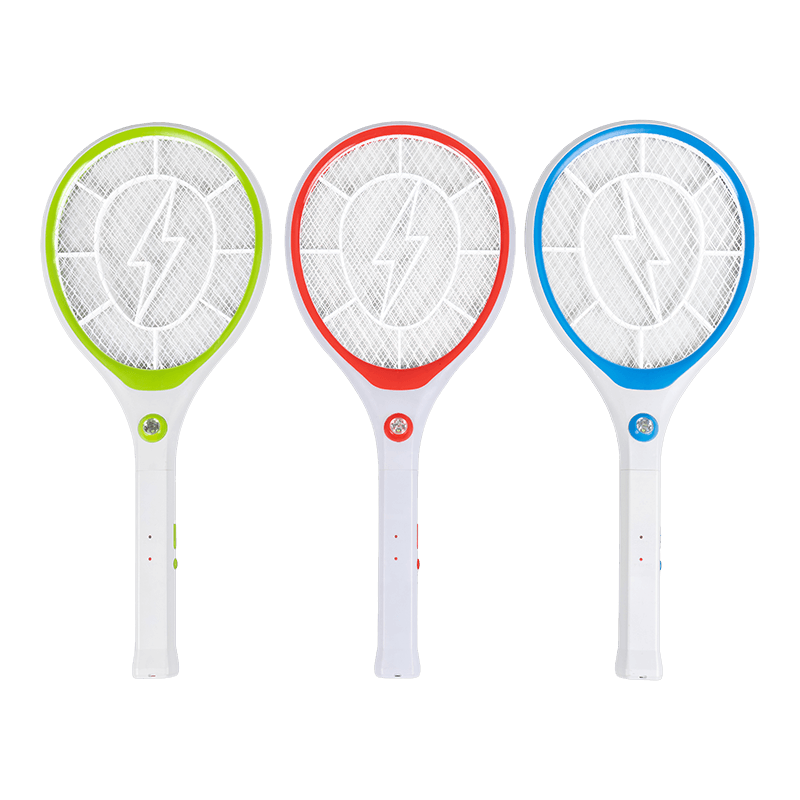
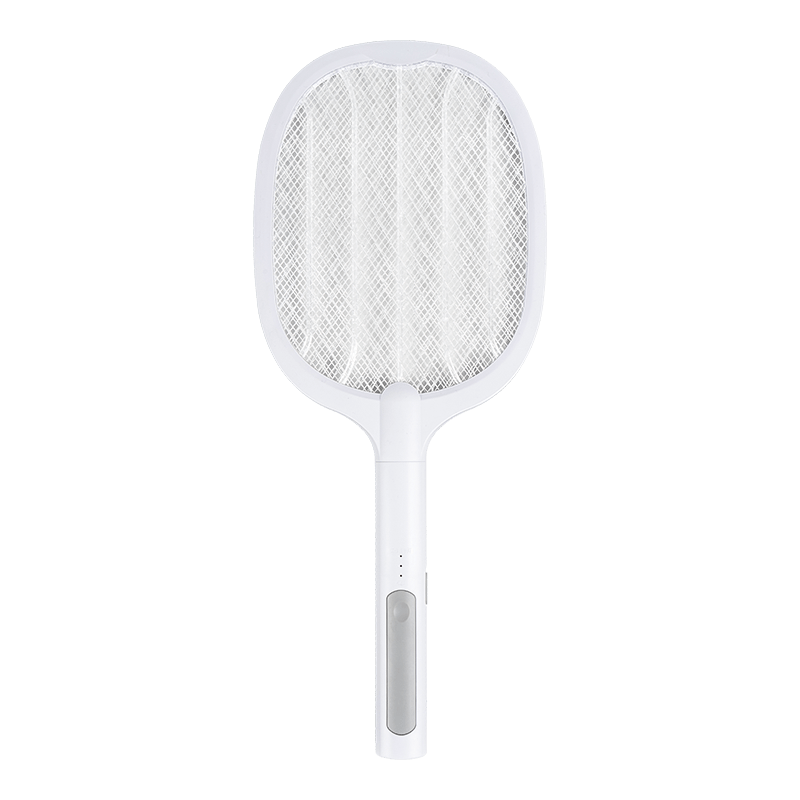
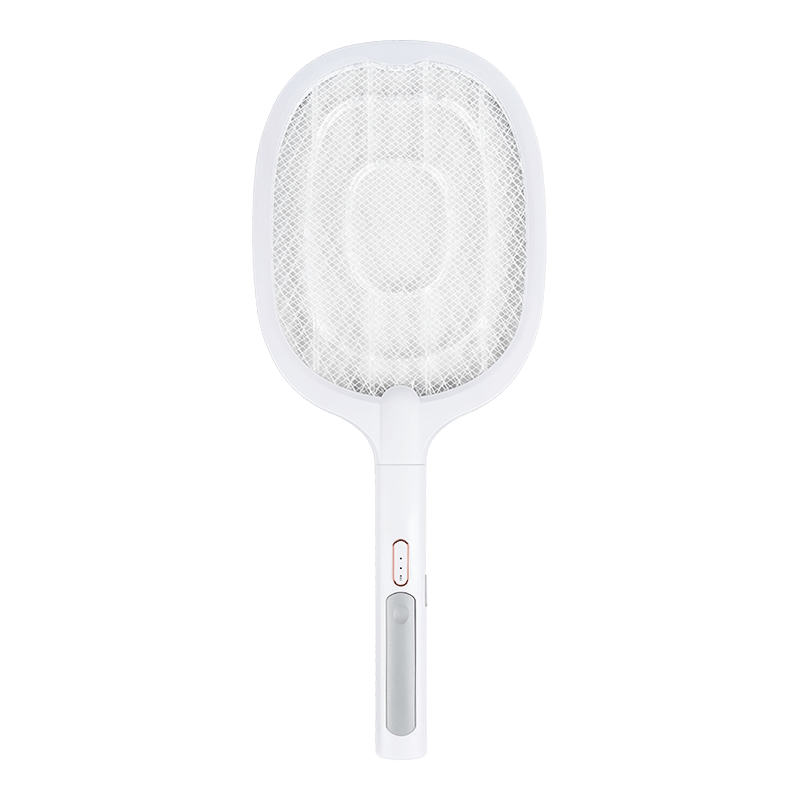
A rechargeable electric mosquito swatter — also called a bug zapper racket or electric fly swatter — is a handheld device shaped like a tennis racket. Its wire mesh grid carries a high-voltage electric charge (typically between 1,500 V and 4,000 V) that instantly kills mosquitoes, flies, gnats, and other flying insects on contact. Unlike older battery-operated models that drained AA cells within days, modern rechargeable versions are equipped with built-in lithium-ion or NiMH battery packs charged via USB-C or micro-USB ports.
The rechargeable design represents a meaningful upgrade: you simply plug the swatter into any phone charger, top it up in one to three hours, and enjoy weeks of use on a single charge. No more mid-battle battery swaps.
How the zap works: Pressing the activation button completes a circuit through the mesh grid. When an insect bridges the inner and outer layers of the grid, it completes a secondary circuit — releasing a short burst of high-voltage, low-amperage current that incapacitates or kills the insect instantly. The amperage is kept deliberately low (under 0.5 mA in most consumer models) to make accidental contact startling but non-lethal for humans.
Why Go Rechargeable? The Core Advantages
Advantages
- No recurring battery costs — charges via USB
- Consistent voltage throughout full charge cycle
- Eco-friendly — fewer disposable batteries in landfills
- Always-ready, no mid-use power drops
- Many models include LED light for low-light use
- Travel-friendly with USB charging compatibility
Considerations
- Requires charging discipline between uses
- Battery degrades slightly after ~500 charge cycles
- Slightly heavier than disposable-battery versions
- Must keep away from children and water
For households in mosquito-heavy regions — tropical climates, lakeside homes, or anyone who loves camping — the rechargeable model pays for itself within the first season by eliminating the need to purchase replacement batteries.
Key Features to Look For
Not all rechargeable electric mosquito swatters are created equal. Here are the features that genuinely matter when choosing one:Voltage Output
Look for 2,500 V–4,000 V for reliable kills on larger insects like horseflies. 1,500 V suffices for mosquitoes.
Battery Capacity
1,200–2,000 mAh batteries offer multi-week use. Check stated standby time vs. active use time.
Triple-Layer Mesh
Three-layer grids have outer protective layers that prevent accidental finger contact with the live wire.
UV LED Light
Built-in UV LEDs attract mosquitoes in darkness — useful for camping or overnight use on a table stand.
Cleaning Brush
Included brushes make it easy to clear insect debris from the mesh without touching the live grid.
Weatherproofing
IPX4 or higher splash resistance is ideal for outdoor patios and humid environments.
Voltage vs. Safety: Understanding the Balance
High voltage sounds alarming, but consumer electric swatters are engineered with extremely low amperage — the true measure of electrical danger to the human body. A typical unit delivers around 0.1–0.4 mA at its peak, well below the 10 mA threshold considered hazardous for adults.
The triple-layer mesh design is the key safety innovation in modern swatters. The outer layers are made of non-conductive plastic or wide-gauge metal that a human fingertip cannot easily bridge, while the inner live grid has narrow enough spacing to catch small insects. This design means casual brushing contact with the outer surface won't deliver a shock.
High voltage kills insects; low amperage keeps humans safe. Modern rechargeable swatters are engineered so that accidental contact is momentarily unpleasant — never dangerous for a healthy adult.
Comparing Top Rechargeable Mosquito Swatter Types
| Type | Best For | Voltage Range | Charge Port | UV Light |
|---|---|---|---|---|
| Standard Racket | Home indoor use | 1,500–2,500 V | Micro-USB | Sometimes |
| Heavy-Duty Racket | Outdoor / large insects | 3,000–4,000 V | USB-C | Yes |
| Foldable Travel Racket | Camping / travel | 1,500–2,500 V | USB-C | Sometimes |
| Dual-Mode (Swatter + Zapper) | Passive + active use | 2,000–3,500 V | USB-C | Yes |
How to Use a Rechargeable Electric Mosquito Swatter Effectively
Before Your First Use
Always fully charge the device before its maiden use. Most manufacturers recommend a 3-hour initial charge to calibrate the battery cells. Once charged, store with the safety lock engaged.
Swatting Technique
Slow, deliberate sweeps work better than frantic swings. Mosquitoes are attracted to warmth and CO₂; waving the racket slowly toward a mosquito resting on a wall or ceiling is often more effective than chasing one mid-flight. Hold the button pressed throughout the swing to keep the grid energized.
Using UV Mode Passively
Many dual-mode models allow you to stand the swatter upright on a flat surface, activate the UV LED, and let insects fly into the live grid on their own. This is particularly effective in dark rooms overnight, functioning as a passive bug zapper that requires no swinging.
Cleaning the Mesh
After use, turn the device off and discharge it by pressing the button away from any surface. Use the included cleaning brush to sweep carbonized insect debris from between the mesh wires. Never use water to clean the grid area — wipe the handle and outer frame with a slightly damp cloth only.
Safety Tips for Every User
- 1 Keep away from children under 8. The shock is not life-threatening for adults, but small children should not have unsupervised access to activated swatters.
- 2 Never use near flammable gases or sprays. Do not use immediately after applying aerosol insecticides in an enclosed space — the electrical arc can ignite propellant vapors.
- 3 Engage the safety lock when not in use. Most models feature a physical switch or double-button mechanism that prevents accidental activation.
- 4 Do not charge unattended overnight. Use a quality USB charger and avoid leaving lithium-ion devices charging for extended periods unsupervised.
- 5 Wear glasses in dusty environments. Zapped insects can occasionally produce small particles that may irritate eyes. In high-use outdoor settings, eye protection is a smart precaution.
- 6 Inspect for mesh damage before each use. A bent or cracked mesh grid can expose live wires — discontinue use and replace the unit if you notice physical damage to the grid layers.
Rechargeable Swatters vs. Other Mosquito Control Methods
vs. Chemical Repellents
DEET and picaridin repellents are highly effective for personal protection during outdoor activities but introduce chemical exposure — a concern for pregnant women, young children, and sensitive-skin individuals. Rechargeable swatters are 100% chemical-free and leave no residue on skin or surfaces.
vs. Plug-In Bug Zappers
Stationary plug-in zappers cover larger areas but require a power outlet and are fixed in place. A rechargeable swatter gives you mobility to actively hunt and eliminate insects anywhere in a room, car, or tent. Many users find the combination of both — passive zapper at night, active swatter during the day — ideal.
vs. Mosquito Coils and Candles
Citronella candles and mosquito coils produce smoke or vapor that deters insects but provides inconsistent coverage, especially outdoors in any breeze. They also produce particulate matter that can aggravate respiratory conditions. Rechargeable swatters produce no smoke, no fragrance, and no air quality concerns.
vs. Ultrasonic Repellers
Ultrasonic devices claim to repel mosquitoes through sound frequencies, but multiple independent studies have found little to no efficacy for this approach. An electric swatter, by contrast, delivers an immediate, verifiable result with each successful contact.
Maximizing Battery Life and Long-Term Care
The rechargeable battery is the most maintenance-sensitive component of your swatter. Follow these practices to extend its lifespan:
Avoid full discharges. Lithium-ion cells degrade faster when allowed to drain completely. Try to recharge when the indicator light signals low battery, rather than waiting for the device to stop working mid-use.
Store at partial charge. If you're putting the swatter away for the winter or an extended period, charge it to approximately 50–60% before storage. This is the optimal charge level for lithium-ion resting voltage.
Avoid heat exposure. Do not leave the device in a hot car or in direct sunlight for prolonged periods. Heat is the primary accelerant of lithium-ion degradation.
Clean the mesh regularly. Accumulated insect debris increases the resistance across the grid over time, which can cause the battery to drain faster as the circuit works harder on each strike.
Who Benefits Most From a Rechargeable Electric Mosquito Swatter?
While virtually any household can benefit from having one on hand, certain users find them especially valuable. Families living near bodies of water — rivers, lakes, ponds — deal with significantly higher seasonal mosquito pressure and benefit from having a reliable, chemical-free solution. Frequent campers and hikers appreciate the USB-C rechargeable format, which integrates seamlessly with portable power banks for off-grid use.
Pet owners also favor rechargeable swatters over chemical sprays, since many insecticides contain compounds that are toxic to dogs and cats. The mechanical nature of the swatter presents zero risk to household animals.
Finally, anyone managing a small food business — a café, restaurant terrace, food market stall — finds rechargeable swatters a hygienic, chemical-free solution for maintaining a pest-free environment without the regulatory concerns that can accompany chemical pest control in food preparation areas.
Ready to Take Back Your Summer?
A rechargeable electric mosquito swatter is one of the most cost-effective, eco-friendly, and satisfying pest control tools you can own. Use the feature checklist above to find the right model for your needs — and enjoy the zap.
 Previous