 EN
EN  English
 中文简体
中文简体 Español
 عربى
عربىWhether you are deep in a pine forest, perched beside a lakeside campsite, or trekking through a tropical trail, mosquitoes remain one of the most persistent nuisances in outdoor life. A well-chosen outdoor camping physical mosquito killer artifact can mean the difference between a restorative night under the stars and a sleepless battle with buzzing insects.
What Is a Physical Mosquito Killer Artifact?
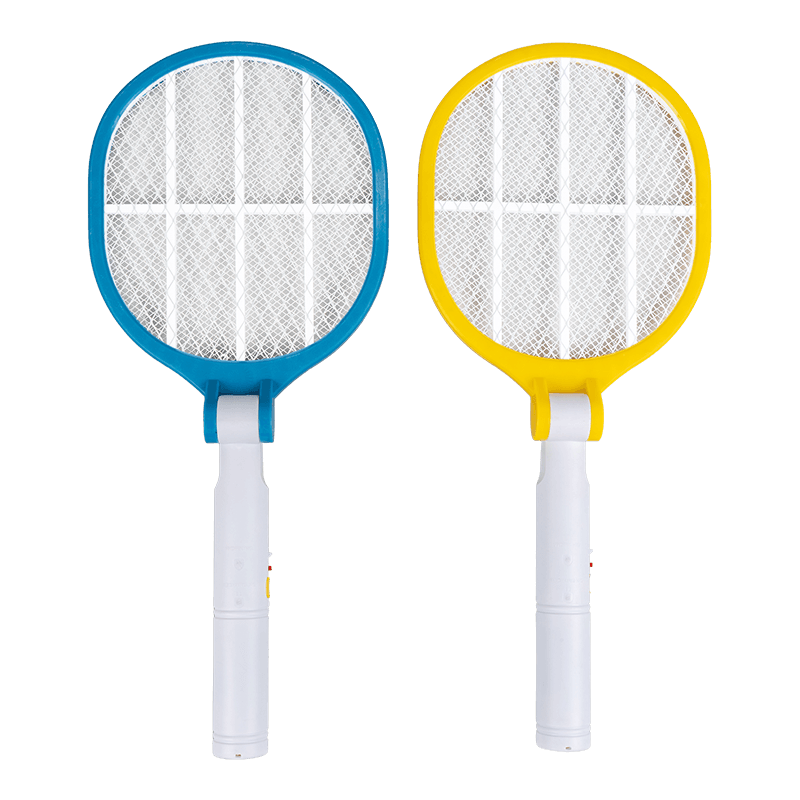
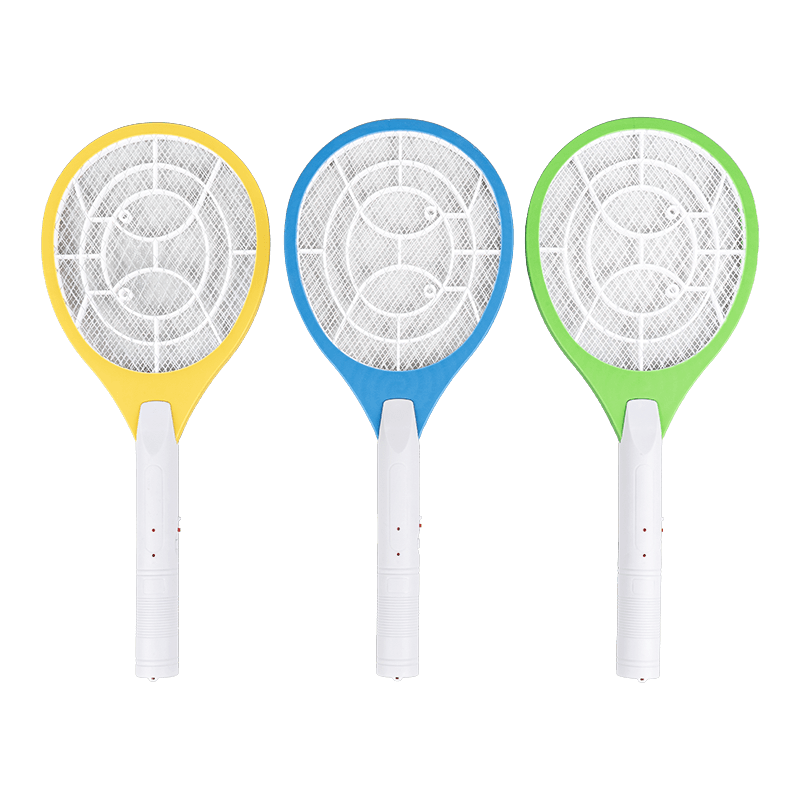
The term "physical mosquito killer artifact" refers to any device or tool that eliminates or repels mosquitoes through mechanical, electrical, or light-based means rather than relying on chemical sprays or topical repellents. These products are engineered to trap, zap, or capture mosquitoes using physical processes: UV light attraction, electric grids, vacuums, or sticky adhesive surfaces. For outdoor camping scenarios, they are specifically designed to be portable, weather-resistant, and energy-efficient.
Unlike aerosol repellents that must be reapplied throughout the day or DEET-based solutions that raise concerns for sensitive skin, a physical mosquito killer artifact works passively in the background. Once deployed at your campsite, it continues working without any intervention, making it an ideal companion for multi-night wilderness stays.
Physical mosquito killers produce no chemical residue, generate no skin irritation, and are safe around children, pets, and food. For campers who prioritize Leave No Trace principles, they also avoid introducing synthetic compounds into sensitive ecosystems.
How Physical Mosquito Killer Artifacts Work
Understanding the mechanism behind each artifact type helps you choose the right tool for your campsite conditions. The most common technologies found in outdoor-rated models include the following:
UV Light Attraction and Electric Grid Zapping
Mosquitoes are highly responsive to ultraviolet light, which mimics the bioluminescent cues they use to locate hosts in low-light environments. UV-equipped mosquito killers emit wavelengths in the 365nm range to draw insects toward the device. Once in range, a high-voltage electric grid delivers an instantaneous lethal charge. This combination is fast, silent after the initial zap, and highly effective during the peak biting hours of dusk and dawn.
CO2 and Heat Lure Systems
Some advanced camping mosquito killers replicate human presence by emitting small quantities of carbon dioxide alongside warmth. Female mosquitoes, which are the biters, locate hosts primarily through CO2 plumes. A device that produces a comparable CO2 signature draws mosquitoes away from campers and into a capture chamber. These units tend to be larger and require more power, but they are dramatically effective for base camps or semi-permanent outdoor setups.
Suction Fan Traps
Fan-based mosquito killer artifacts use a downward airflow to draw mosquitoes that have been attracted by light or CO2 into a sealed collection grid or container. Once trapped, mosquitoes dehydrate within hours. This method is entirely silent, which makes it popular for campers who value quiet evenings around the fire without the occasional electric snap of a zapper.
Sticky Adhesive Boards
Simpler and completely power-free, adhesive trap artifacts lure mosquitoes to a sticky surface using attractant scents or mild UV sources. They are best used as supplementary tools inside tents or hammock shelters rather than as primary outdoor units. Their effectiveness depends on correct placement near entry points and in corners where mosquitoes tend to rest.
Key Features to Look for in an Outdoor Camping Unit
Not every mosquito killer on the market is built to survive the rigors of outdoor camping. Before selecting an artifact, evaluate these critical specifications:
IP Weather Rating
Look for a minimum of IP44 (splash-proof) for open-air use. Coastal or rainforest camping environments call for IP65 or higher ratings to handle direct rain exposure.
Power Source
USB-C rechargeable models with large-capacity batteries (5000mAh and above) offer the best balance of portability and run time for backcountry trips without power hookups.
Coverage Area
Match coverage radius to your campsite size. Solo hammock setups need 15-20 sq meters; group campsites benefit from units covering 40 sq meters or more.
Noise Level
Fan-based suction models operate below 30dB. Electric grid zappers produce an audible crack on each kill. Consider your tolerance for sound during nighttime hours.
Weight and Pack Size
Ultralight backpacking calls for units under 300g with collapsible or flat profiles. Car camping allows heavier, more powerful devices with stands or hanging hooks.
Ease of Cleaning
A removable tray or grid that can be brushed out without tools is essential. Insect residue buildup reduces effectiveness and attracts other insects if left uncleaned.
Comparing Physical Mosquito Killer Types for Camping
| Type | Best For | Power Needed | Noise Level | Effectiveness |
|---|---|---|---|---|
| UV Electric Zapper Popular | Open-air group camps | Low (USB rechargeable) | Moderate (zap sounds) | High at dusk/dawn |
| CO2 Lure Trap | Base camps, platform tents | High (AC or large battery) | Very low | Very high |
| Suction Fan Trap Quiet | Solo or couple camping | Low to medium | Very low (under 30dB) | High within 20m |
| Adhesive Board | Inside tents, hammock covers | None (passive) | Silent | Low to moderate |
| Photocatalytic Trap | Humid jungle environments | Medium (USB or solar) | Low | High for tropical species |
Optimal Placement Strategies at Your Campsite
Even the most powerful outdoor camping physical mosquito killer artifact underperforms if placed incorrectly. Mosquitoes typically travel into a campsite along corridors defined by wind direction, water sources, and vegetation edges. Strategic placement multiplies the device's effectiveness significantly.
The Perimeter Interception Method
Position your primary mosquito killer artifact at the upwind edge of your campsite, roughly 5 to 8 meters from your sleeping area. This intercepts incoming insects before they reach the tent zone. Avoid placing the unit directly beside your tent, as the attractant light or CO2 will concentrate insects closer to you before they are captured.
Height Matters
Most mosquito species fly at heights between 0.5 and 1.5 meters during their host-seeking phase. Hanging your UV zapper or fan trap at approximately 1 meter above ground level puts it precisely in the flight corridor where insects are most active. Stakes, trekking poles, and low branches can all serve as mounting points.
Near Water, Not in It
If your campsite is near a stream, pond, or marshy area, place a secondary trap artifact 3 to 4 meters from the water edge on the campsite side. This creates a capture zone between the mosquito breeding area and your living space. Never position the device over water, as dead insects can contaminate aquatic environments.
Maintenance and Longevity in Outdoor Conditions
Physical mosquito killer artifacts used in camping environments face challenges that indoor units do not: dust, moisture, vegetation debris, and temperature swings. Proper care extends their service life and preserves peak performance across multiple seasons.
- Clean the collection tray or adhesive chamber every 48 to 72 hours during active use. Accumulated insect matter reduces airflow in suction models and degrades the electric field in zapper grids.
- After any rain exposure, allow the unit to dry fully in open air before recharging or storing. Even IP65-rated devices benefit from drying time to prevent internal condensation.
- Inspect the UV bulb or LED array after every 500 hours of use. UV output degrades over time, reducing attractant effectiveness even if the unit appears lit. Many modern models include bulb-hours tracking in their companion apps.
- Store the device in a mesh or breathable bag when not in use rather than a sealed plastic case. This prevents moisture buildup around the electric grid and reduces the risk of corrosion on contact points.
- For units with replaceable CO2 cartridges or lure attractant pods, check expiry dates before each trip. A depleted attractant renders the trap largely ineffective regardless of the device's power status.
- Test battery capacity at home before a multi-day trip. Li-ion batteries used in rechargeable camping mosquito killers degrade noticeably after 300 to 400 charge cycles. If run time has dropped below 60% of the rated hours, replace the battery or the unit.
Combining Physical Killers with Non-Chemical Campsite Practices
A physical mosquito killer artifact performs best as part of a layered defense strategy rather than as a standalone solution. Several campsite habits significantly reduce mosquito pressure without any chemical input, and when combined with an active physical trap, they create a near bite-free outdoor environment.
Eliminate or minimize standing water around your campsite. Even a small container holding 30ml of rainwater can support a mosquito breeding cycle within 48 to 72 hours. Invert any unused bowls, cookware, or tarps that may collect water overnight. This simple habit reduces the ambient mosquito population around your campsite over a multi-day stay.
Time your outdoor cooking and socializing to minimize peak exposure windows. Mosquito activity surges during the 30 minutes following sunset and in the hour before sunrise. Running your physical mosquito killer artifact at maximum power during these windows maximizes capture rates and keeps insects away from communal areas when your group is most vulnerable.
Choose campsite ground cover intentionally. Mosquitoes rest during daylight hours on the underside of low-growing vegetation, damp leaves, and dense grass. Camping on sandy, rocky, or dry elevated ground significantly reduces the resting population near your sleeping area, meaning fewer insects become active at night even without a physical trap running.
Solar-Powered and Off-Grid Physical Mosquito Killers
For multi-day wilderness expeditions where USB charging opportunities are limited, solar-powered physical mosquito killer artifacts represent an increasingly capable category. Modern units integrate flexible photovoltaic panels directly into the housing or include a detachable solar charging pad. In conditions with 4 to 6 hours of direct sunlight, a quality solar mosquito killer can sustain continuous overnight operation without any battery top-up from an external source.
When evaluating solar models, check whether the panel charges the internal battery during the day for overnight discharge or whether it powers the device in real-time only. Battery-buffered solar units are dramatically more useful for camping because they store daytime energy for deployment during the peak nighttime biting window. Real-time-only solar models go dark precisely when you need them most.
For a reliable outdoor camping physical mosquito killer artifact: confirm IP44 or higher weather resistance, verify USB-C or solar charging compatibility, check coverage area matches your campsite, prioritize models with removable cleaning trays, and ensure the UV wavelength specification falls in the 365nm mosquito-attractant range. Units meeting all five criteria will perform reliably across seasons and varied camping environments.
Conclusion
An outdoor camping physical mosquito killer artifact is one of the most practical investments any serious camper can make. By eliminating insects through UV light, electric grids, suction fans, or lure traps rather than chemical coatings, these devices deliver effective protection without environmental compromise or skin exposure to synthetic compounds. The right artifact, correctly placed and properly maintained, transforms even mosquito-heavy environments into comfortable outdoor living spaces.
Whether you choose a compact UV zapper for solo hammock trips, a CO2-lure system for base camps, or a silent suction trap for family-friendly sites, understanding how each technology works enables a confident and well-matched purchase. Pair your chosen artifact with smart campsite habits, and you will spend far more time enjoying the wilderness and far less time fighting its most persistent inhabitants.
 Previous