 EN
EN  English
 中文简体
中文简体 Español
 عربى
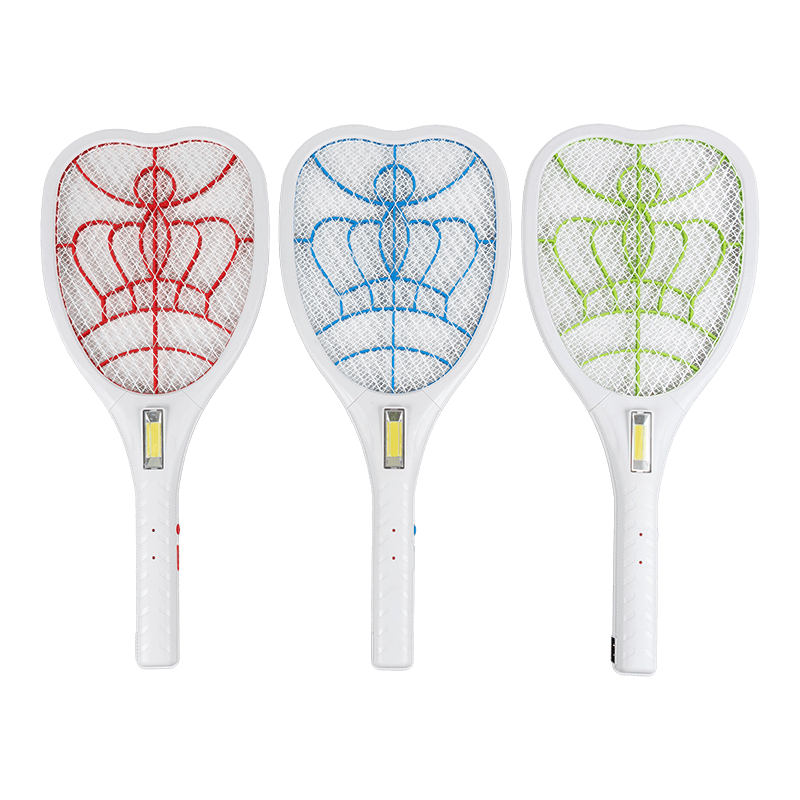
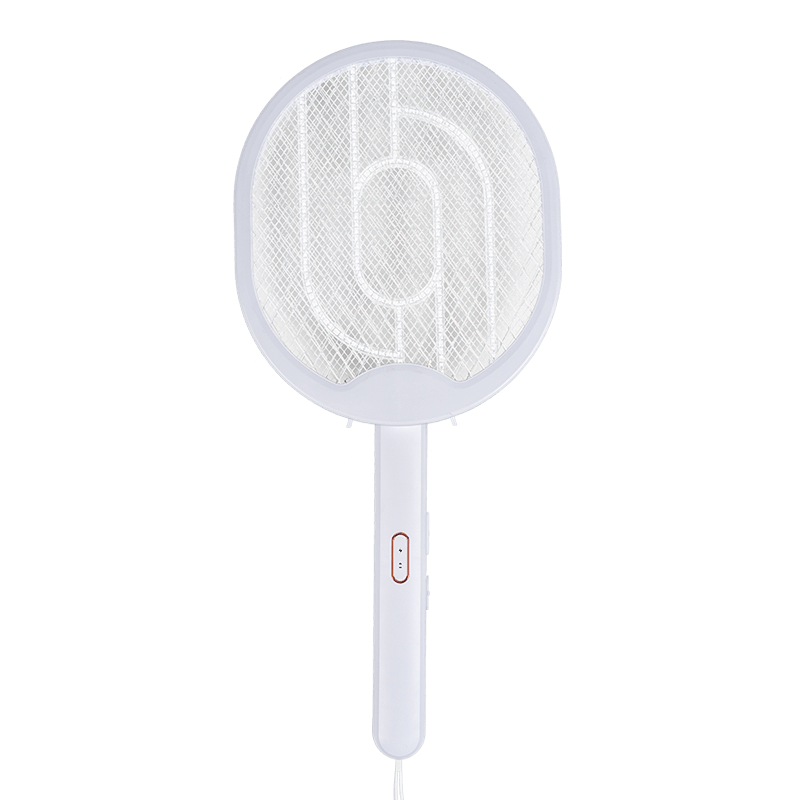
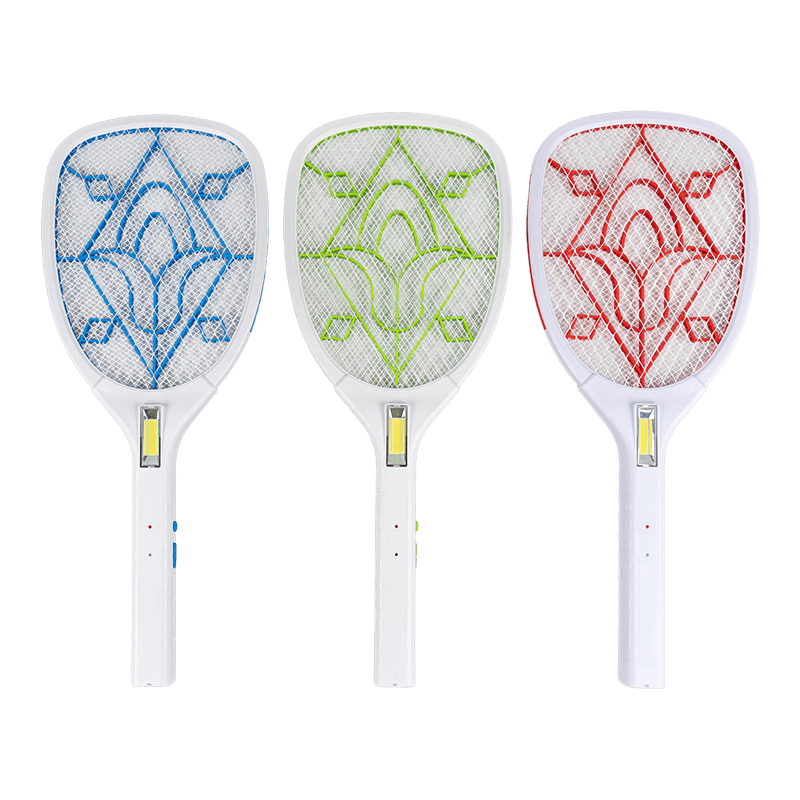
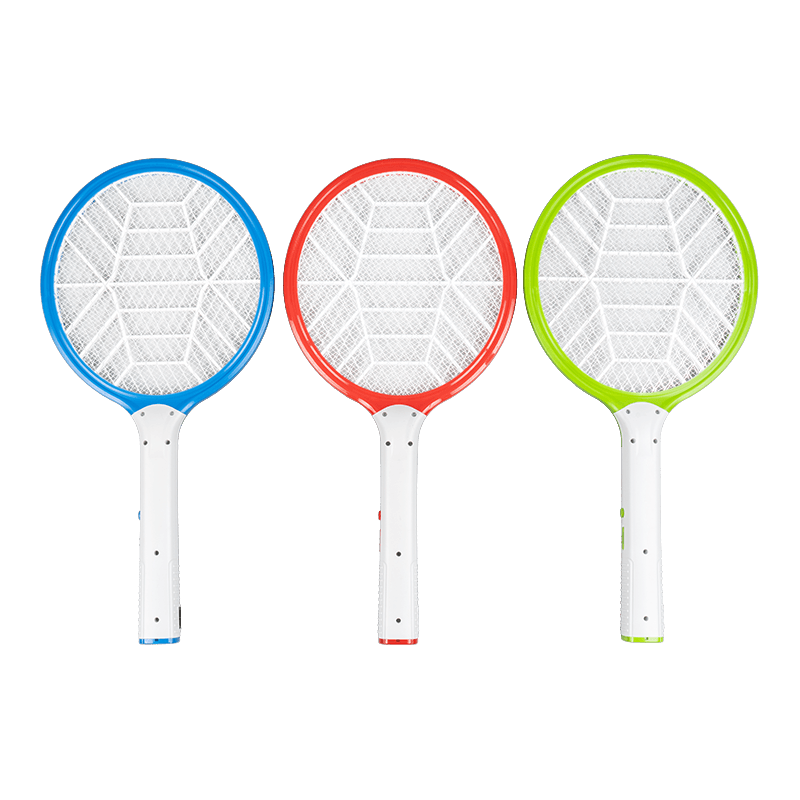
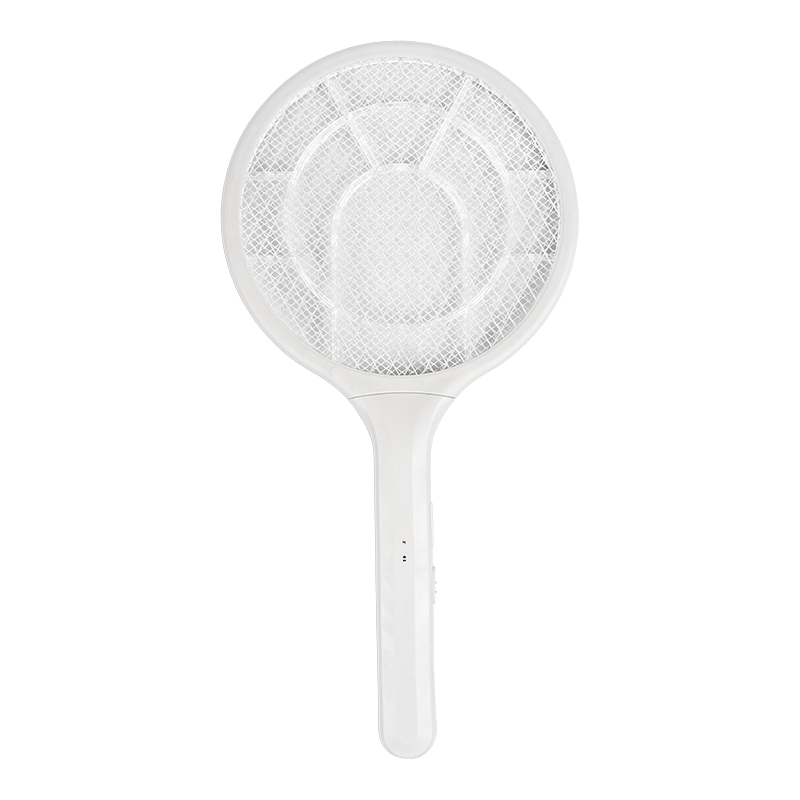
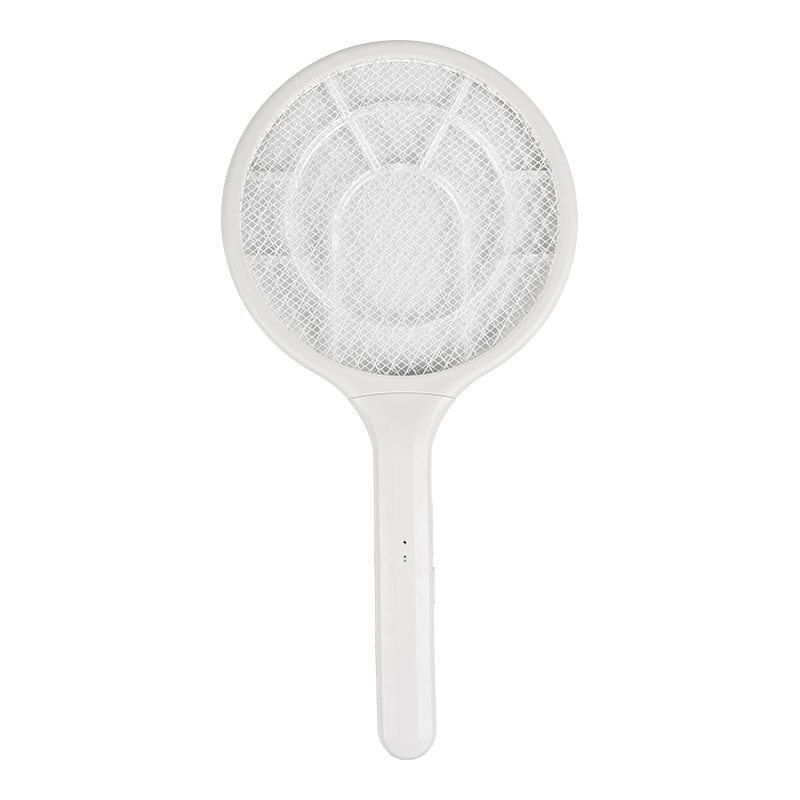
عربىAn electric mosquito swatter is a handheld electronic device designed to kill mosquitoes by combining physical action with an electric shock. Below is a detailed explanation of its core features and working principle.
Working Principle
-
High-Voltage Grid:
-
The swatter typically consists of three layers of metal mesh: an outer protective layer with wide spacing, and an inner layer that carries a high-voltage charge.
-
An internal circuit, powered by batteries (often rechargeable), uses a voltage-boosting circuit to generate a high-voltage (1000–3000 volts), low-current direct current. The current is extremely low—safe for humans but lethal to mosquitoes and other small insects.
-
-
Killing Process:
-
When a mosquito touches the charged inner grid, its body acts as a conductor, closing the circuit between the positive and negative layers.
-
The high-voltage current instantly discharges through the insect, creating a spark that electrocutes or stuns it. This is often accompanied by a distinctive "zap" sound and a slight burning smell.
-
Key Features
-
Safety Design:
-
The outer mesh spacing is wide enough to prevent accidental human contact with the inner high-voltage layer.
-
The current is very low (typically below 10mA), so even accidental contact causes only a mild sting and no serious harm under normal use.
-
-
Eco-Friendly:
-
No chemical insecticides are used, avoiding inhalation or skin exposure to chemicals.
-
Some models include LED lights that attract mosquitoes using their phototaxis (attraction to light).
-
-
Ease of Use:
-
Rechargeable designs eliminate the need for power cords.
-
Lightweight and easy to swing for quick targeting.
-
Usage Precautions
-
Safety Warnings:
-
Never touch the inner grid directly. Keep away from children and do not let them use it unsupervised.
-
Do not use in environments with flammable gases (e.g., a gas leak), as sparks could cause an explosion.
-
-
Maintenance & Lifespan:
-
Regularly clean dead insects from the grid to maintain conductivity and efficiency.
-
Remove batteries if the device will not be used for an extended period to prevent leakage.
-
-
Limitations:
-
Only effective against insects that make contact with the grid; requires active swatting.
-
Cannot provide continuous protection like mosquito coils or repellents.
-
Technological Evolution
-
Smart Upgrades:
Newer models may include attractant lights (UV or specific-wavelength LEDs), fan suction systems (to draw mosquitoes into the internal grid), or even APP connectivity to track kill counts.
 Previous