 EN
EN  English
 中文简体
中文简体 Español
 عربى
عربىContent
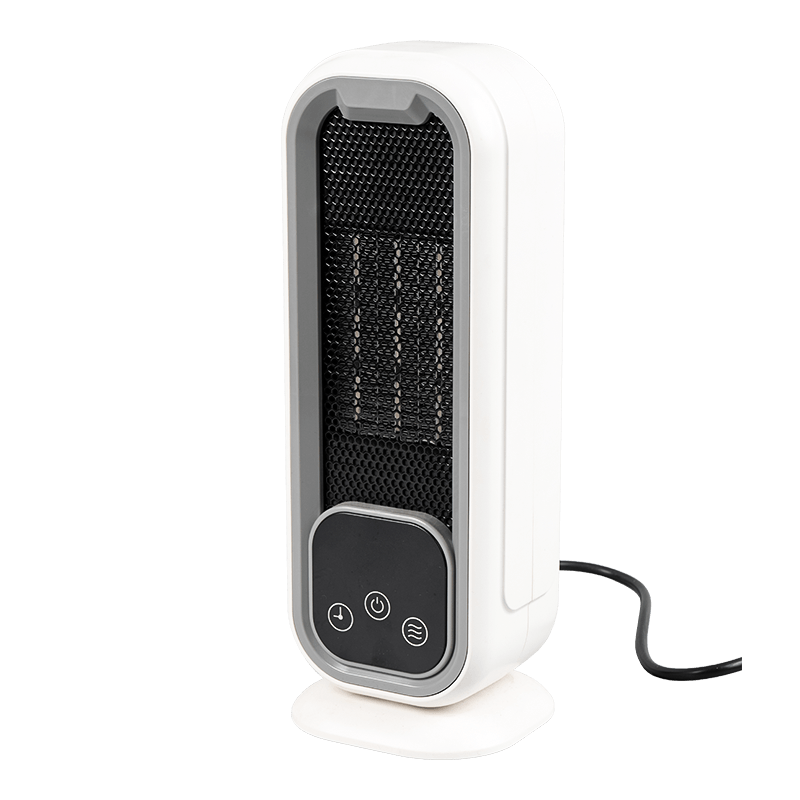
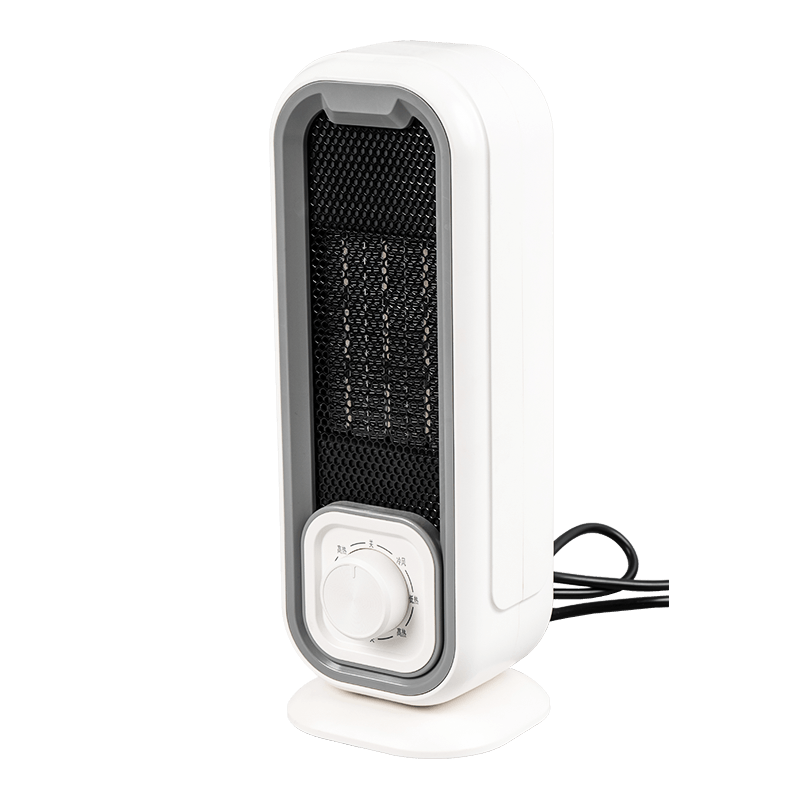
A portable fan heater, commonly known as a blow heater or electric fan heater, is a compact, movable electric heating device that integrates a heating element and a fan. It works by forcibly blowing heated air to provide rapid, targeted local warmth.
In simple terms, it functions like a "reverse fan" or a "hair dryer for the room," but is designed to heat small spaces.
Core Working Principle
-
Heating Element: An electric current passes through an internal resistive heating element (common types are listed below) to generate heat.
-
Forced Convection: A built-in fan (typically small) draws in cool air and forces it across the hot heating element, rapidly warming the air.
-
Hot Air Output: The heated air is blown out through the outlet, directed precisely to the target area (e.g., your feet, desk, or body), creating a stream of warm air.
This "forced convection" method makes its heating speed much faster than heaters that rely solely on natural convection (like oil-filled radiators).
Key Features
-
Instant Heat: Provides warmth immediately, no waiting. You can feel the heat within minutes.
-
Portable & Movable: Compact, lightweight, often with a handle, making it easy to move between rooms like the study, bedroom, bathroom, or office.
-
Targeted Heating: Can precisely direct warm airflow to specific areas (under a desk, at your feet), making it efficient and avoiding energy waste.
-
Multi-Function Integration: Many models include extra features:
-
Cool & Warm Air: Can function as a regular fan in summer.
-
Humidification: Prevents air from becoming too dry.
-
Oscillation: Distributes warmth over a wider area.
-
Timer/Auto Shut-off: Safer for overnight use.
-
Negative Ion Purification: Improves air quality.
-
Typical Use Cases
-
Personal Office/Study Use: Placed on a desk or floor to combat cold feet.
-
Small Rooms (Bedroom/Study): Quickly raises the temperature of the entire space.
-
Bathroom: Warming up before/after a shower (Crucial: must have appropriate IP waterproof rating and tip-over/safety cut-off feature).
-
Spot Heating: In larger living rooms, as a supplement to AC or larger heaters, providing extra warmth to a seated area.
Usage Precautions & Limitations
-
High Power Consumption: It's a high-wattage appliance (typically 800W-2000W). Prolonged use consumes significant electricity; be mindful of circuit load.
-
Dries the Air: Continuous heating lowers humidity, potentially causing dryness. Using with a humidifier is recommended.
-
Noise: The fan creates constant background noise, which might bother light sleepers at night.
-
Safety First:
-
Never Cover It: Keep air inlets and outlets completely unobstructed to prevent overheating.
-
Keep Away from Combustibles: Avoid placing curtains, paper, or fabrics close to the air outlet.
-
Use a Dedicated Socket: Avoid sharing an outlet with other high-power appliances.
-
Bathroom Use Requires Caution: Only use models specifically designed for bathrooms with an IPX waterproof rating (e.g., IPX2 or higher) and earth leakage protection.
-
Purchasing Tips
-
Prioritize PTC Ceramic Heaters for better safety and efficiency.
-
Match Power to Room Size: 800W-1500W for small spaces (5-10 sq m); lower power for personal spot heating.
-
Check Safety Features: Tip-over auto shut-off and overheat protection are essential. Check the IP rating for bathroom use.
-
Consider Extra Features: Decide if you need cool air, humidification, remote control, etc.
In summary, a portable fan heater is an efficient device that uses forced convection for rapid, targeted, local warmth. It excels in safety (especially PTC types), portability, and speed of heating, making it an excellent choice for small spaces and personal use.
 Previous